
In a world increasingly defined by technological advancements and innovative solutions, the agricultural sector stands on the brink of a revolution. Among the staples that sustain populations and economies alike, rice holds a venerable place, serving not just as a dietary staple for billions but as a vital livelihood for countless farmers. As the demand for efficiency and quality in rice processing grows, the traditional methods of milling grain have begun to yield to the allure of automatic rice mills. This transformation promises to reshape the landscape of rice production, marrying age-old agricultural practices with cutting-edge technology. In this article, we explore the burgeoning future of automatic rice mills, examining how these advancements are poised to convert humble grains into gold—both literally, in terms of value, and figuratively, by enhancing food security and empowering communities around the globe. Join us as we delve into the mechanisms, benefits, and implications of this modern marvel, charting a course toward a new era of rice processing.
Revolutionizing Rice Processing with Automation Technology
The integration of automation technology into rice processing is reshaping the agricultural landscape, bringing efficiency and precision to every stage of production. Automated systems can seamlessly handle tasks such as sorting, cleaning, and packaging, significantly reducing the reliance on manual labor while increasing output quality. This technological innovation not only enhances productivity but also minimizes waste and ensures a consistent product that meets global market demands.
- Enhanced Efficiency: Automated processes can operate around the clock, ensuring minimal downtime and maximizing throughput.
- Precision in Quality Control: Advanced sensors and AI algorithms scrutinize every grain, ensuring only the best quality rice reaches consumers.
- Cost Reduction: By minimizing manual labor and reducing errors, automation can significantly lower operational costs.
Furthermore, these smart rice mills are equipped with data analytics capabilities, providing farmers and mill operators with real-time insights into production metrics. This enables better decision-making and refined production strategies, fostering sustainability and resource conservation. As the world faces increasing pressure to produce more food for a growing population, embracing automation in rice processing paves the way for a more viable and prosperous agricultural future.
| Feature | Benefit |
|---|---|
| Automated Sorting | Improves product purity and reduces contamination. |
| Real-time Monitoring | Enhances operational transparency and efficiency. |
| Energy Efficiency | Lowers energy consumption and operational costs. |

Enhancing Efficiency and Sustainability in Rice Mills
Modern automatic rice mills are redefining the landscape of grain processing, paving the way for enhanced productivity that is both resource-efficient and environmentally conscious. By integrating advanced technology, such as automation and smart machinery, these mills streamline their operations, minimizing waste and energy consumption. Features such as automated sorting, precision milling, and real-time monitoring contribute to reducing labor costs and enhancing output quality, effectively turning raw grains into a lucrative product. The use of IoT devices enables mill operators to collect and analyze data, facilitating timely interventions and adjustments that lead to optimal performance.
Moreover, sustainability practices are becoming intrinsic to the operational ethos of modern rice milling. Mills are increasingly adopting eco-friendly initiatives that focus on waste recycling and energy conservation. Key elements of this sustainable approach encompass:
- Utilization of renewable energy sources, such as solar panels or biomass.
- Water recycling systems that minimize water wastage during processing.
- Bioengineering practices that promote soil health and enhance crop resilience.
Through the implementation of these practices, rice mills not only elevate their operational efficiency but also contribute to a healthier ecosystem, effectively transforming the industry into a beacon of sustainable practice.
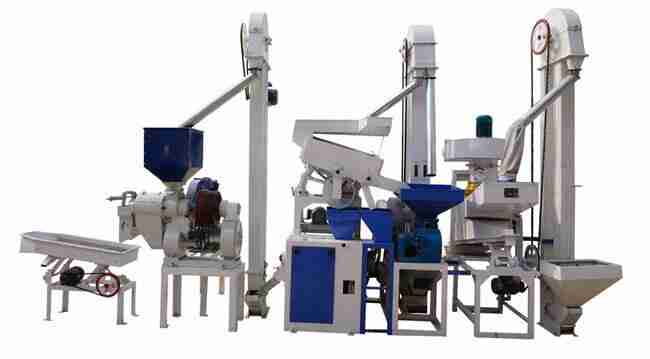
Navigating Challenges and Opportunities in the Automatic Rice Mill Market
The landscape of the automatic rice mill market is constantly shifting, presenting both obstacles and prospects that require keen insight and adaptability. Manufacturers face challenges such as rising operational costs and stringent environmental regulations that compel them to innovate while maintaining profitability. To navigate these headwinds effectively, they are increasingly investing in technology and automation, which not only enhance the efficiency of rice milling processes but also reduce waste and energy consumption. This transition not only meets regulatory standards but also caters to the growing demand for sustainable practices in food production.
On the other hand, the evolving consumer preferences for high-quality, minimally processed food products open up new avenues for growth. Market players can capitalize on this trend by offering specialized milling services, such as organic or specialty rice processing, which can significantly differentiate their offerings. Furthermore, tapping into emerging markets and leveraging digital marketing strategies are essential for reaching a broader customer base. Exploring partnerships with local farmers and cooperatives can create a streamlined supply chain, ensuring both quality and availability while promoting community engagement. This multifaceted approach can convert challenges into strategic advantages, securing a competitive edge in the market.
| Challenges | Opportunities |
|---|---|
| Rising operational costs | Investment in automation technology |
| Strict environmental regulations | Shift towards sustainable practices |
| Changing consumer preferences | Specialized milling services for niche markets |
| Global supply chain disruptions | Partnerships with local farmers |
Future Trends and Innovations Shaping Rice Production Systems
The landscape of rice production is undergoing a significant transformation, thanks to advancements in technology and innovative practices that are set to redefine efficiency and sustainability. Smart agricultural practices are becoming more prevalent, integrating the Internet of Things (IoT) to streamline processes in rice mills. This technology allows for real-time monitoring and management of various production stages, enabling producers to make data-driven decisions from sowing to harvesting and milling. Key trends include:
- Precision Agriculture: Utilizing drones and sensor technology to assess field conditions and optimize resource use.
- Automation in Milling: The emergence of advanced automated rice milling machinery that enhances processing speed and reduces labor costs.
- Sustainable Practices: Adoption of eco-friendly milling techniques that minimize waste and reduce carbon footprints.
Moreover, the rise of biotechnology in rice production surfaces as a game-changer, promising enhanced resilience against climate-related challenges. Genetically modified rice varieties are being developed to thrive in marginal environments, which can significantly boost yields and ensure food security. To support these advancements, partnerships between researchers, growers, and technology firms are becoming crucial. Consider the following innovations that are shaping the future:
| Innovation | Description | Impact |
|---|---|---|
| Vertical Farming | Growing rice in stackable trays using hydroponics. | Maximized land use and reduced water consumption. |
| Blockchain Technology | Enhancing traceability in the rice supply chain. | Increased transparency and consumer trust. |
| Robotics | Automated harvesting and sorting systems. | Improved efficiency and reduced labor dependency. |
In Conclusion
As we stand at the precipice of an agricultural revolution, the evolution of automatic rice mills promises not just to streamline the process of grain preparation but to redefine the very fabric of food production and economic stability. The transformation of raw grain into golden sustenance reflects a deeper narrative of innovation, sustainability, and connection to our roots.
As technology continues to advance, so too does our understanding of the potential that lies within each grain. With automatic rice mills at the forefront, we can envision a future where efficiency marries tradition, and where the richness of our harvest is maximized for the benefit of farmers, consumers, and the planet alike.
In embracing these innovations, we are not merely altering a commodity; we are renewing our commitment to food security and environmental stewardship. The journey from grain to gold is one of both technological prowess and human ingenuity—an endeavor that promises to cultivate a brighter horizon for generations to come. So let us welcome this future with open arms, ready to witness the golden age of rice milling unfold before our eyes.




