
In an era defined by technological advancement and the relentless pursuit of efficiency, the agriculture sector is experiencing a transformation that promises to reshape traditional farming practices. At the heart of this revolution lies an innovation that is as humble as it is groundbreaking: the fully automatic rice mill plant. Gone are the days when rice milling was a labor-intensive process, marked by inefficiencies and variability. Today, these sophisticated plants harness cutting-edge automation and precision engineering, seamlessly integrating into the agricultural supply chain. This article explores the ascent of fully automatic rice mills, delving into their impact on productivity, quality, and sustainability in the rice industry. Join us as we uncover how this technological leap is not only reshaping the landscape of grain processing but also contributing to a more sustainable future for rice cultivation worldwide.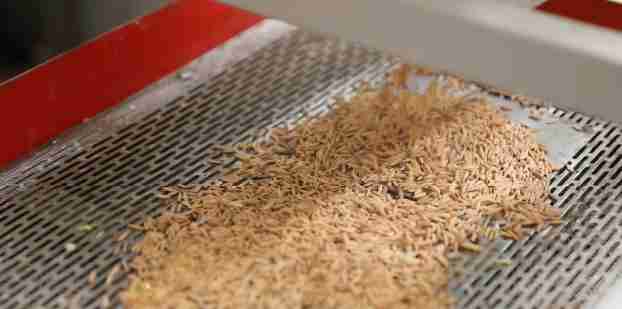
The Evolution of Rice Milling Technology and Its Impact on Production Efficiency
The journey of rice milling technology has transformed the agricultural landscape dramatically over the decades. Early rice milling methods were labor-intensive and relied heavily on manual labor, making them time-consuming and susceptible to human error. The introduction of motorized mills in the 20th century marked a significant turning point, increasing both the speed and consistency of rice processing. As technology advanced, innovations such as paddy separators, husking machines, and whitener machines emerged, leading to a more streamlined workflow. Today, fully automatic rice mill plants epitomize the peak of this evolution, incorporating cutting-edge automation that minimizes human intervention while maximizing output.
With the advent of fully automatic rice milling systems, production efficiency has soared to unprecedented levels. These automated plants are equipped with sophisticated control systems that manage the entire milling process, from pre-cleaning to packaging. As a result, the benefits of automation extend beyond mere labor savings, impacting grain quality and reducing waste significantly. Consider the following features that highlight the advantages of modern rice milling plants:
- Efficiency: Enhanced processes lead to reduced milling times.
- Quality Control: Advanced technology ensures uniform grain quality.
- Labor Reduction: Lower operational costs through decreased workforce requirements.
| Feature | Benefits |
|---|---|
| Automated Sorting | Improved quality through accurate grading |
| Energy Efficiency | Lower energy costs and environmental impact |
| Remote Monitoring | Real-time insights for better decision-making |
As we witness this remarkable journey of rice milling technology, it’s evident that the shift towards automation and innovation has not only enhanced production efficiency but has also contributed to the overall sustainability of rice farming. The focus on integrating advanced engineering with traditional practices ensures that rice production remains a key pillar of food security while simultaneously meeting the demands of a growing global population.
Key Advantages of Fully Automatic Rice Mill Plants for Modern Agriculture
Fully automatic rice mill plants are transforming the agricultural landscape by enhancing operational efficiency and output quality. These high-tech facilities minimize human intervention, leading to reduced labor costs and a decrease in the risk of errors often associated with manual processing. The automation allows farmers and mill operators to achieve higher production rates, ensuring a steady supply of milled rice to meet growing consumer demands. Additionally, these plants are designed to optimize resource utilization, significantly lowering waste and promoting sustainable practices that are crucial for modern agriculture.
Among the many benefits, precision and consistency stand out as key advantages. The integration of advanced technology facilitates uniformity in rice milling, ensuring every grain is processed to perfection. The ability to closely monitor and adjust parameters during processing enables operators to achieve specific quality grades consistently. Furthermore, enhanced traceability measures implemented in these automated systems allow for better tracking of production batches, fostering transparency and trust among consumers. Other noteworthy advantages include:
- Reduced processing time
- Improved product quality
- Minimal downtime
- Scalability for future growth
In contrast to traditional manual mills, fully automatic plants offer superior performance, as illustrated in the table below:
| Feature | Traditional Mill | Fully Automatic Mill |
|---|---|---|
| Labor Requirement | High | Low |
| Processing Efficiency | Moderate | High |
| Production Consistency | Variable | Consistent |
| Waste Generation | High | Minimized |
Thus, the shift towards fully automated rice milling plants embodies a leap into a more sustainable, efficient, and quality-driven agricultural approach, setting the stage for a new era in grain processing.

Sustainability Considerations in the Adoption of Automated Milling Solutions
As the agricultural industry evolves, the integration of automated milling solutions brings forth significant sustainability benefits. One of the primary advantages is the reduction of waste throughout the milling process. Traditional rice milling often results in considerable grain loss due to inefficiencies and manual handling. In contrast, automated systems employ advanced technology that optimizes milling parameters, ensuring more grains are processed effectively. This not only conserves resources but also diminishes the environmental footprint associated with waste disposal.
Moreover, the energy efficiency of fully automated rice mill plants plays a pivotal role in promoting sustainable practices. These systems are typically designed to consume less energy compared to conventional milling setups, leading to a decrease in greenhouse gas emissions. Additionally, many automated mills now utilize renewable energy sources, further enhancing their eco-friendliness. The adoption of such technologies also promotes the concept of circular economy, wherein by-products such as rice husks can be repurposed for bioenergy or biodegradable materials, contributing to a more sustainable agricultural ecosystem.
| Benefit | Impact |
|---|---|
| Waste Reduction | Minimizes grain loss and conserves resources |
| Energy Efficiency | Decreases energy consumption and emissions |
| Renewable Energy Utilization | Enhances eco-friendliness of processes |
| Circular Economy | Transforms by-products into new resources |
Future Trends in Grain Processing: Innovations That Will Shape the Industry
As the global demand for rice continues to soar, the industry is witnessing a wave of transformative technologies aimed at enhancing efficiency and product quality. The introduction of fully automatic rice mill plants is revolutionizing grain processing, eliminating manual labor and streamlining operations. These advanced facilities utilize cutting-edge automation systems to execute multiple functions—from husking and milling to sorting and packaging—without the need for constant human oversight. This not only boosts productivity but also reduces the likelihood of errors, ensuring a more consistent and higher-quality end product. Key technologies driving this shift include:
- AI-Driven Analytics: Leveraging machine learning for real-time performance optimization.
- Smart Sensors: Integrated systems that monitor grain quality throughout the processing stages.
- Energy Efficiency Solutions: Advanced machinery that minimizes energy consumption while maximizing output.
Moreover, the embrace of advanced data management systems is allowing producers to gain greater insights into their operations. By adopting IoT-enabled solutions, processing plants can achieve a high degree of connectivity, leading to improved decision-making and resource allocation. As a result, processors can better forecast demand and adjust production runs accordingly. The potential benefits are immense, evidenced by the following comparative table that highlights key improvements associated with transitioning to fully automated rice mill plants:
| Aspect | Traditional Mills | Fully Automatic Mills |
|---|---|---|
| Labor Cost | High | Reduced |
| Processing Time | Longer | Significantly Shorter |
| Product Consistency | Variable | Highly Consistent |
| Energy Consumption | Higher | Optimized |
These innovations herald a new era for the rice milling industry, where efficiency, sustainability, and quality converge to meet the challenges of a changing market landscape. As producers increasingly integrate these advanced solutions, the future of grain processing seems brighter than ever.
Wrapping Up
As we stand on the brink of a new era in grain processing, fully automatic rice mill plants are not just a technological advancement; they represent a profound shift in how we approach agriculture and food production. Embracing automation in rice milling enhances efficiency, reduces labor costs, and ensures a consistent quality that is crucial for meeting the demands of a growing global population. However, as we navigate this exciting transformation, it is paramount to consider the broader implications for the workforce, local economies, and sustainability.
With each innovation, we are presented with the opportunity to strike a balance between modernity and tradition, efficiency and responsibility. As stakeholders in the agricultural ecosystem, we must engage in thoughtful dialogue about the future of our food systems. The rise of automatic rice mill plants opens the door to enhanced productivity, but it also serves as a reminder of the need for mindful practices that honor both the land and the people who cultivate it.
As we continue to explore this evolving landscape, let us embrace the potential of technology while remaining grounded in our commitment to cultivating a resilient and equitable food future. In this journey of revolutionizing grains, the choice is ours to ensure that progress serves the greater good.




