
Harvesting Potential: The Evolution of Rice Mill Plants
In the heart of lush paddy fields, where golden grains sway gently in the breeze, the story of rice mill plants unfolds—a tale of innovation, tradition, and the relentless quest for efficiency. From their humble beginnings as simple processing facilities powered by manual labor to the sophisticated, high-tech establishments of today, rice mills have mirrored the agricultural advancements and economic shifts of societies around the world. This evolution is not just a narrative of machinery and technology; it is a reflection of cultural significance, sustainability efforts, and the pressing need to meet the demands of an ever-growing population. As we delve into the intricate journey of rice mill plants, we uncover how they have transformed from vital community resources into pivotal players in the global food supply chain, continuously adapting to harness the potential inscribed in every grain. Join us as we explore the rich history, the groundbreaking innovations, and the promising future of rice milling, where each step forward is a step towards feeding the world.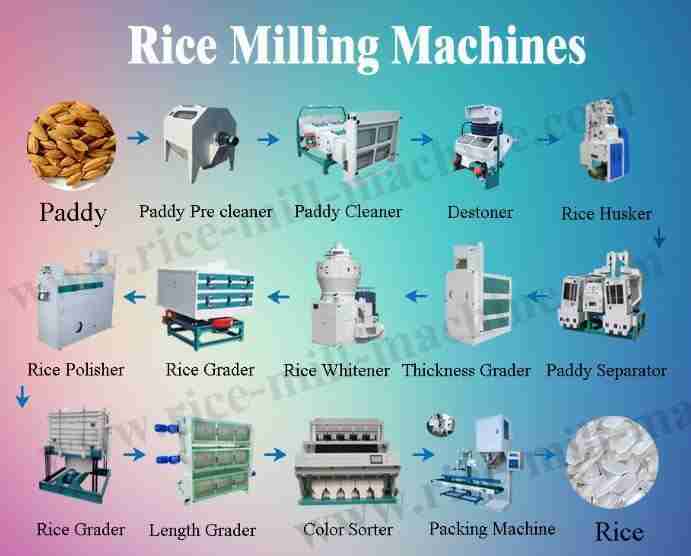
Unpacking the Roots of Innovation in Rice Mill Technology
Innovation in rice mill technology has deep historical roots, tracing back to ancient agrarian practices where methods of processing rice were rudimentary yet effective. Over centuries, these basic techniques evolved through the incorporation of traditional craftsmanship with emerging technologies. The shift from hand-powered tools to mechanized processes marked a significant turning point, enabling millers to increase efficiency and scale production. Today’s innovations are inspired by a combination of global knowledge exchange and localized ingenuity, which together have shaped the modern rice milling landscape.
Key elements driving progress in this sector include:
- Integration of Automation: Modern rice mills utilize automated systems for sorting and milling, reducing labor costs and increasing output.
- Sustainable Practices: Innovations focused on energy efficiency and waste reduction contribute to eco-friendly operations, aligning with global sustainability goals.
- Digital Technologies: The adoption of IoT and AI facilitates real-time monitoring and predictive maintenance, further optimizing operational workflows.
As rice mill technology continues to advance, industry stakeholders are recognizing that flexibility and adaptability are crucial. The table below illustrates some of the recent advancements in rice mill technology:
| Technology Type | Description | Benefits |
|---|---|---|
| Smart Milling Systems | Utilizes data analytics for process optimization. | Increased efficiency, reduced waste. |
| Eco-Friendly Machines | Built with sustainable materials and energy sources. | Lower carbon footprint, compliance with regulations. |
| Automated Quality Control | Engages AI for detecting product quality in real-time. | Consistent output, enhanced product standards. |

Sustainable Practices: Balancing Efficiency and Environmental Responsibility
The evolution of rice mill plants has ushered in a new era of sustainable practices that not only enhance productivity but also prioritize environmental stewardship. In recent years, there has been a gradual shift towards the integration of innovative technology that minimizes waste and energy consumption. By investing in energy-efficient machinery and adopting processes that recover by-products, mills can significantly reduce their carbon footprint. Key strategies include:
- Utilizing renewable energy sources: Solar panels and bioenergy systems are increasingly being integrated to power operations.
- Water management: Advanced irrigation techniques and closed-loop systems help in conserving water, a precious resource in rice cultivation.
- Waste recycling: Utilizing husks and bran for producing biomass fuel can create a circular economy within the rice milling sector.
Moreover, operators are realizing the importance of community engagement in their sustainability efforts. By partnering with local farmers and organizations, rice mill plants can foster a culture of shared responsibility for environmental preservation. Effective communication strategies highlight the benefits of sustainable agriculture practices, enhancing the overall resilience of the farming community. A model for this collaboration can be viewed in the following table:
| Collaborative Effort | Benefit |
|---|---|
| Farmers Training Programs | Improved crop yields and sustainable practices |
| Resource Sharing Initiatives | Reduced costs and efficiency in farming input |
| Joint Research Projects | Innovation in pest management and organic farming |
Emerging Trends: Automation and Smart Technologies in Rice Milling
As the demand for efficiency and sustainability in rice production grows, the integration of automation and smart technologies is revolutionizing traditional milling practices. Notably, the incorporation of Internet of Things (IoT) devices allows mill operators to monitor processes in real-time, ensuring optimal conditions for grain handling and reducing energy waste. Automated systems, such as robotic sorters and programmable logic controllers (PLCs), streamline operations, minimize human error, and enhance productivity. Rice mills can now achieve higher throughput while maintaining product quality, driven by data analytics and predictive maintenance that prevent downtime.
Additionally, the adoption of advanced milling machinery equipped with artificial intelligence (AI) capabilities not only accelerates processing times but also allows for personalized milling programs tailored to specific rice varieties. The following features exemplify the cutting-edge technology making its way into rice mills:
- Smart Sensors: Monitor moisture levels and adjust milling conditions automatically.
- Automated Quality Control: AI algorithms analyze product quality in real-time, ensuring only the best grains reach consumers.
- Energy Management Systems: Optimize energy consumption across multiple milling stages.
Such technological advancements are not just trends but a redefinition of operational standards in the industry, particularly as sustainability becomes central to agricultural practices. Together, these innovations represent a shift toward smarter, more sustainable rice milling operations that align well with contemporary productivity goals.
Future Pathways: Investing in Infrastructure for Global Competitiveness
As the demand for quality rice continues to rise in global markets, investing in modern infrastructure for rice mill plants is crucial for enhancing productivity and competitiveness. The integration of advanced technologies not only optimizes the milling process but also ensures high-quality output. Essential components of such investments include:
- Automation Systems: Implementing automated machinery enhances precision and efficiency in milling operations.
- Quality Control Measures: Establishing systematic testing protocols for rice quality can significantly elevate market standing.
- Transportation Logistics: Developing better transport routes to connect mills with farms and consumers reduces costs and delays.
Additionally, creating a sustainable ecosystem around rice milling plants can bolster their competitive edge. Engaging in practices that support environmental sustainability not only safeguards resources but also appeals to conscientious consumers. Key strategies involve:
- Waste Management Solutions: Investing in technologies to repurpose by-products reduces environmental impact and creates new revenue streams.
- Energy Efficiency Programs: Implementing renewable energy sources can lower operational costs and enhance sustainability initiatives.
- Community Engagement: Collaborating with local farmers fosters loyalty and strengthens supply chains.
| Infrastructure Investment | Expected Outcome |
|---|---|
| Automated Milling Equipment | Increased Efficiency & Quality |
| Advanced Quality Control | Higher Market Value |
| Renewable Energy Solutions | Cost Savings & Sustainability |
The Way Forward
As we draw the curtains on our exploration of rice mill plants and their remarkable evolution, we are reminded of the latent potential that resides in every grain of rice. From their humble beginnings to the sophisticated operations of today, these facilities have not only played a pivotal role in agricultural advancement but have also contributed significantly to food security and economic growth.
The journey of rice mill plants captures the essence of innovation, resilience, and sustainability. As technology continues to reshape our agricultural practices, it is clear that the future of rice milling is bright, promising a delicate balance between tradition and modernity.
As we move forward, embracing the challenges and opportunities that lie ahead, we must remain committed to optimizing these facilities. By doing so, we can ensure that every harvest reaps not just a yield but a testament to human ingenuity and the endless possibilities of agricultural evolution. In the tapestry of global food production, the story of rice mill plants stands as a vital thread, weaving together history, technology, and community sustenance.




