
Exploring the Essential Components of a rice mill plant
Rice, often dubbed the “food of life,” is a staple that sustains billions of people around the globe. As the demand for this versatile grain continues to rise, so does the need for efficient processing facilities that can transform raw paddy into polished grains ready for consumption. At the heart of this transformation lies the rice mill plant—a complex ecosystem of machinery and technology that requires careful consideration and understanding. In this article, we embark on an insightful journey through the essential components of a rice mill plant, unraveling the intricate interplay of processes that contribute to the cultivation of one of the world’s most important crops. From the preliminary cleaning and husking to the final packaging stages, we will explore how each element works harmoniously to produce rice that meets both quality and safety standards. Join us as we delve into the mechanics of rice milling, highlighting the vital role each component plays in bringing this beloved grain from field to fork.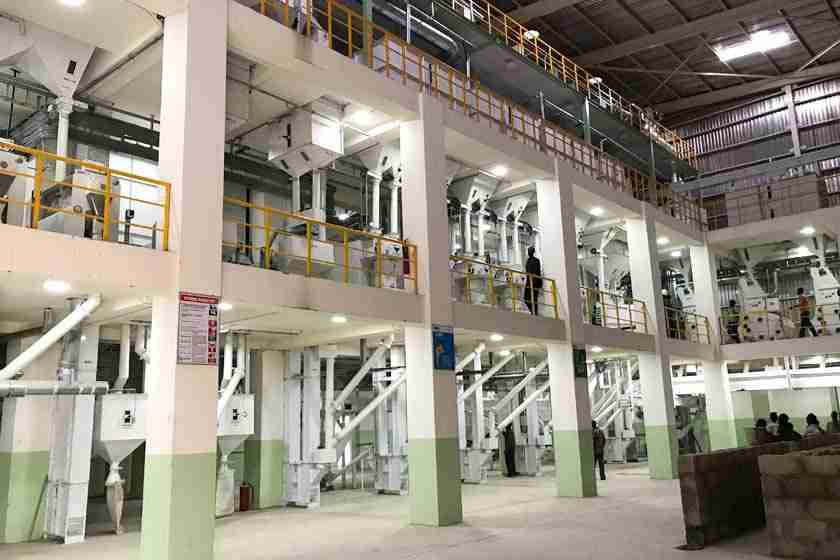
Understanding the Core Machinery of a rice mill plant
At the heart of a rice mill plant lies an intricate system of components that work in harmony to transform raw paddy into polished rice. Central to this process is the cleaning unit, which removes impurities such as stones, dirt, and husk from the paddy. This initial step is crucial as it maintains the quality of the final product. Following cleaning, the dehusking machine takes center stage; it efficiently separates the rice grains from their outer husk, ensuring maximum yield with minimal damage. Other essential elements include the whitening machine that smoothens the rice surface and enhances its appearance, and the polishing machine, which gives the rice a shiny finish, making it more appealing to consumers.
Integral to the operational efficiency of a rice mill plant are its ancillary systems. The ventilation and dust control system helps maintain a clean environment by managing airborne particles generated during processing. Not to be overlooked, the packaging unit plays a vital role in ensuring the rice remains fresh and secure for distribution. Here’s a succinct overview of the core machinery and their functions:
| Component | Function |
|---|---|
| Cleaning Unit | Removes impurities from raw paddy. |
| Dehusking Machine | Separates rice grains from husk. |
| Whitening Machine | Smoothens and enhances rice surface. |
| Polishing Machine | Gives rice a shiny finish. |
| Packing Unit | Ensures freshness and security for distribution. |
The Role of Quality Control in Rice Milling Efficiency
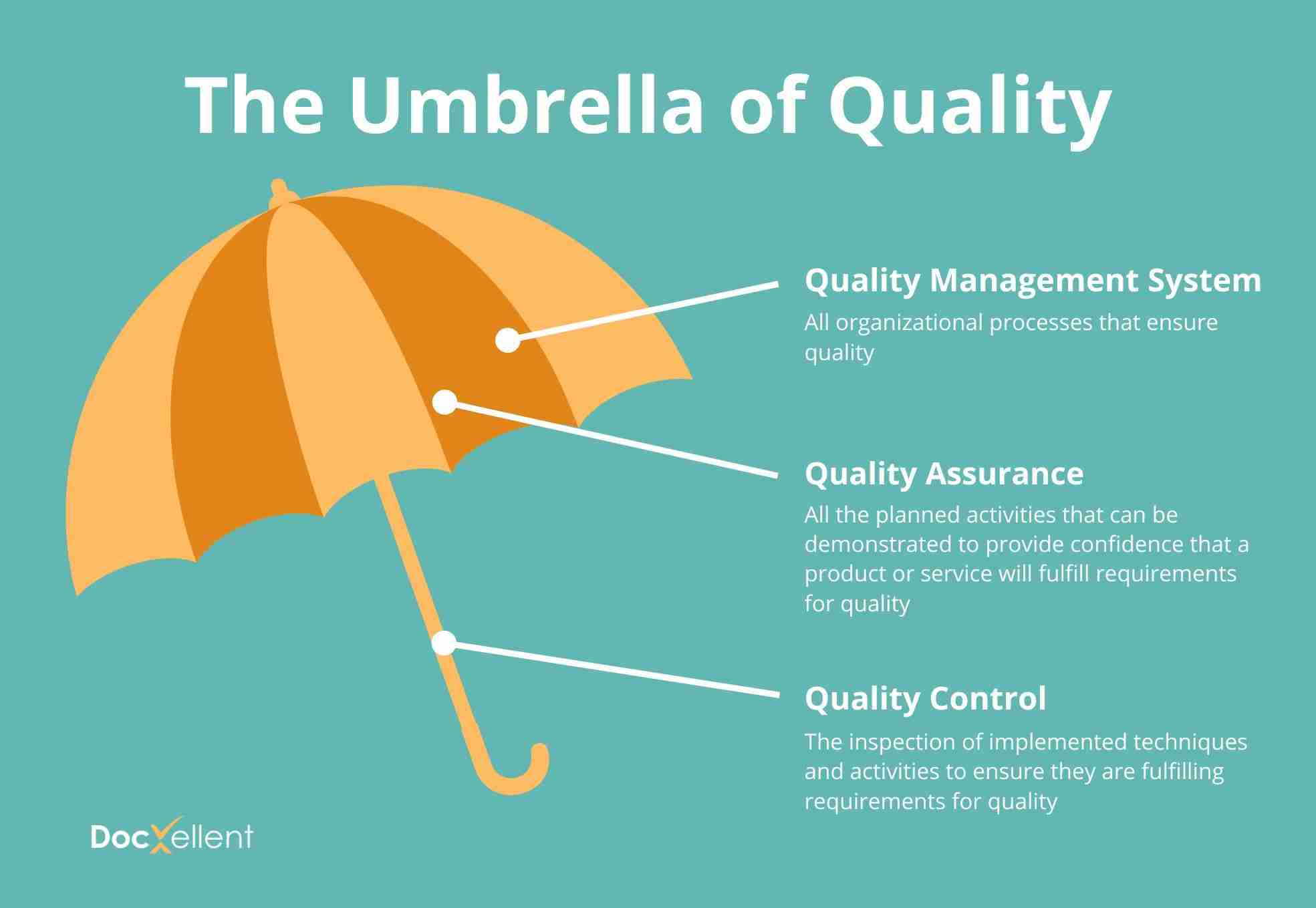
Quality control serves as the backbone of operational excellence in rice milling, ensuring that each grain processed not only meets industry standards but also satisfies consumer expectations. It encompasses a series of systematic checks throughout the milling process, beginning from the selection of raw paddy to the final packaging of rice products. Implementing rigorous quality control measures allows a mill to maintain consistency in texture, purity, and visual appeal, which are critical factors for market competitiveness. This proactive approach includes:
- Raw Material Inspection: Assessing the quality of paddy before milling to eliminate inferior grains.
- Process Monitoring: Continuously checking the machinery operations to prevent any defects in milling.
- Grain Evaluation: Performing tests on the milled rice for moisture content, broken grain ratio, and foreign material presence.
Incorporating quality control protocols not only enhances product reliability but also significantly boosts the overall efficiency of the rice milling plant. By implementing detailed track-and-trace systems, mills can identify bottlenecks in production flows and mitigate risks early. This data-driven approach supports informed decision-making, allowing for adjustments aligned with real-time analytics. Consider the following table illustrating the impact of efficient quality control on various operational aspects:
| Quality Control Measure | Impact on Efficiency | Cost Implications |
|---|---|---|
| Pre-Processing Checks | Reduced Waste | Lower Raw Material Costs |
| Machinery Calibration | Optimized Yield | Decreased Downtime |
| Final Product Testing | Enhanced Consumer Satisfaction | Improved Brand Reputation |
By focusing on quality throughout the production line, mills not only elevate their operational standards but also cultivate customer trust, ultimately transforming their rice milling operations into a more sustainable and profitable venture.
Optimizing Space and Workflow in Mill Plant Design
Efficient design plays a pivotal role in maximizing productivity and minimizing waste in rural and industrial environments alike. In a well-planned rice mill plant, the layout must ensure fluid movement of materials and personnel. This can be achieved through an optimal arrangement of key components, enhancing both the workflow and the overall efficiency of the operation. Key considerations include:
- Proximity of key areas: Positioning the receiving area, processing units, and packaging stations close together to facilitate a seamless flow of rice from one stage to the next.
- Multi-functional workstations: Incorporating spaces that can serve various purposes—such as storage and processing—instead of dedicating entire areas to a single function.
- Innovative machinery placement: Strategically placing machines to reduce unnecessary movement and energy consumption, while allowing for easy access during maintenance.
Additionally, the use of vertical space can significantly contribute to an efficient operational framework. By utilizing overhead storage for raw materials and finished products, companies can conserve valuable floor space, allowing for a more flexible workflow. Moreover, integrating technology can streamline processes even further. An investment in automated systems can lead to:
| Technology | Benefits |
|---|---|
| Automated Sorting | Reduces manual labor and ensures quality control. |
| Software Solutions | Enhances inventory management and forecasting. |
| Energy-Efficient Equipment | Lowers operational costs and environmental impact. |
Sustainable Practices for Modern Rice Milling Operations
Modern rice milling operations can significantly decrease their environmental impact by adopting sustainable practices. Energy efficiency is a cornerstone of these practices; investing in high-efficiency machinery and utilizing renewable energy sources, such as solar or biogas, can lower energy consumption and operational costs. Additionally, implementing waste management strategies like composting rice husks and recapturing emissions from milling processes contributes to a circular economy. This not only reduces landfill waste but also creates valuable by-products that can be reintegrated into agricultural practices or sold as biomass fuel.
Water management is another critical area for sustainability in rice milling. By adopting a closed-loop water system, mills can minimize water usage while ensuring optimal cleaning and processing standards. Moreover, employing innovative milling technologies, such as parboiling and steam treatment, can enhance quality and yield while reducing waste. Comprehensive training programs for staff on these sustainable methodologies encourage a culture of environmental stewardship within the workforce, communicating the importance of these practices in day-to-day operations.
| Practice | Benefit |
|---|---|
| Energy Efficiency | Reduces operational costs and carbon footprint |
| Waste Management | Promotes a circular economy and reduces landfill waste |
| Water Management | Minimizes water usage and pollution potential |
| Innovative Technologies | Improves product quality and operational efficiency |
To Conclude
delving into the intricacies of a rice mill plant reveals the essential components that harmonize to transform paddy into the staple we cherish. From the initial stages of cleaning and husking to the intricate polishing processes, each element plays a pivotal role in enhancing the quality and efficiency of rice production. By understanding these foundational facets, stakeholders can better appreciate the craftsmanship involved and the technological advancements that drive the industry forward. As we continue to explore innovations and sustainable practices in rice milling, the journey from field to fork becomes ever more fascinating, reminding us of the vital role this humble grain plays in feeding communities around the globe. Embracing these insights not only empowers producers but also enriches consumers as they make more informed choices about the food they enjoy. Whether you are a seasoned industry professional or a curious reader, we hope this exploration serves as a stepping stone towards a deeper appreciation of the art and science behind rice milling.




