In an ever-evolving world, where tradition often collides with modernity, one agricultural staple continues to weave the fabric of communities across generations and cultures: rice. As the cornerstone of sustenance for billions, rice cultivation has long been steeped in time-honored practices. Yet, the advent of advanced rice machinery has sparked a remarkable transformation in how this essential crop is grown, harvested, and celebrated. "Turning the Wheel of Change: How Rice Machinery Bridges Generations and Cultures" explores the delicate balance between age-old customs and innovative technologies. Through the stories of farmers who navigate the complexities of this transition, we will uncover how rice machinery not only enhances productivity but also fosters connections among diverse communities, ensuring the resilience and future of rice cultivation. Join us on this journey as we delve into the intersection of tradition and innovation, revealing the profound impact of machinery on the world of rice farming.
Bridging Generational Gaps: Stories of Tradition and Modernity in Rice Cultivation
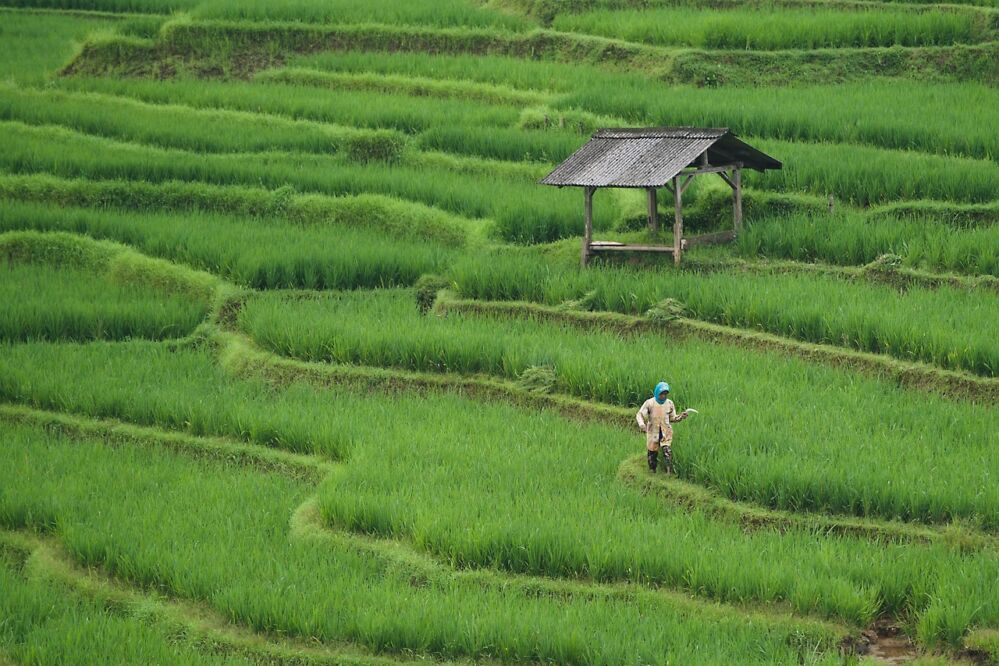
In a small village in Southeast Asia, a young farmer named Arjun stood at the edge of his family's rice field, contemplating the future. His grandfather had always cultivated rice using traditional methods, relying on age-old techniques passed down through generations. Each planting season was a meticulous process, from selecting seeds to hand-pulling weeds. However, the rising costs of labor and the unpredictability of weather patterns forced Arjun to consider modern solutions. After much deliberation, he decided to invest in a rice transplanter, a decision that not only promised to increase productivity but also sparked a dialogue with his grandfather about blending their approaches.
As they navigated this transition together, the contrast between their expectations and reality became palpable. Initially, Arjun's grandfather was skeptical, fearing that machines might disrupt the deep-rooted practices that defined their identity. Yet, as they worked side by side, it became clear that the transplanter could complement their traditional methods rather than replace them. They found a balance, incorporating technology while honoring customs—choosing to plant a portion of their field using the machine and another by hand. This hybrid approach not only preserved their heritage but also allowed for more efficient use of their time and resources. The shared experience deepened their bond, leading to meaningful lessons about adaptation, respect for tradition, and the importance of embracing change.
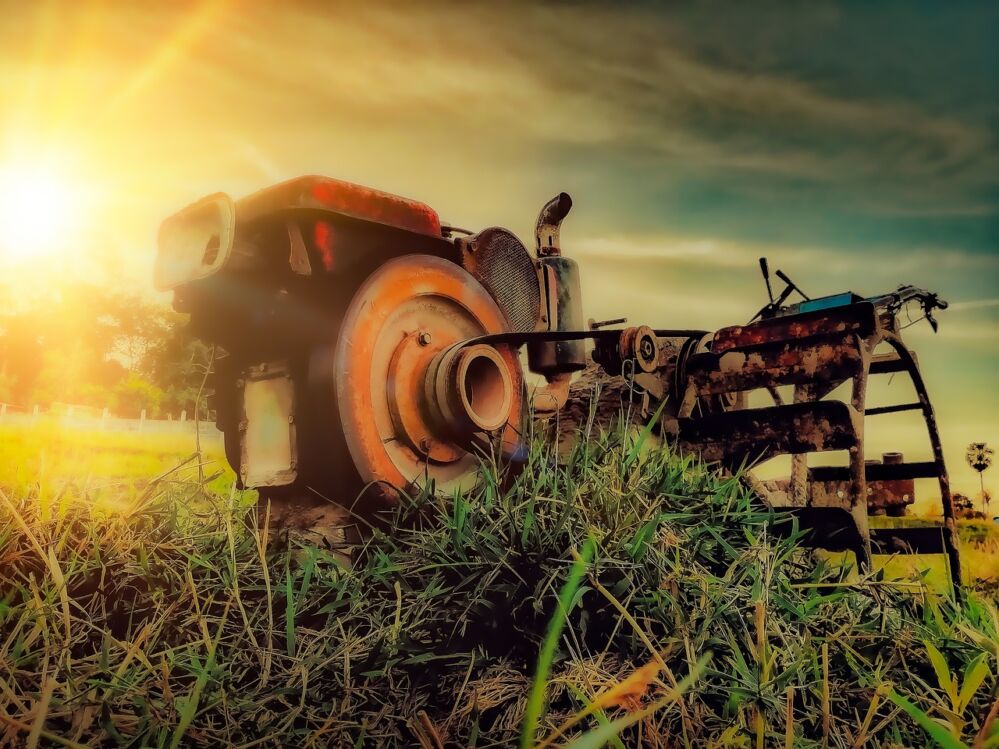
Navigating Cultural Shifts: The Role of Rice Machinery in Uniting Diverse Farming Communities
In the heart of a diverse farming community in Vietnam, where rice paddies stretch as far as the eye can see, the introduction of modern rice machinery has become a pivotal moment for many families. Take, for instance, the story of Lien, a mother who inherited her family's rice farm but struggled to keep up with the demands of both her aging parents and the younger generation's expectations. When Lien decided to invest in a combine harvester, it was a decision fraught with uncertainty. Would her parents accept this change? Would her children, accustomed to the old ways, embrace the new technology? As the harvester whirred to life for the first time, the initial tension was palpable. Yet, as the efficiency of the machinery began to shine through—reducing labor hours and increasing yield—the family found common ground. Lien's parents marveled at the time saved, allowing them to share stories and teach traditional methods to their grandchildren, who, in turn, learned to respect their heritage while embracing modern techniques.
Similarly, in a cooperative farming initiative that spans several ethnic groups in the Philippines, rice machinery has acted as a unifying force. Farmers from different backgrounds, initially wary of each other, came together to share resources, including a shared rice mill. This collaboration transformed their approach to farming, as they discussed strategies and exchanged traditional recipes that highlighted their unique cultural identities. A small table set up during community meetings became a symbol of this newfound solidarity, where they would showcase their rice dishes, each telling a story of their ancestry. The process of navigating these cultural shifts was not without challenges; some farmers had to set aside long-held prejudices and adapt to a new way of working. However, the tangible benefits of increased productivity and improved community ties led to rich discussions about sustainability and the future of rice farming—discussions that would have seemed impossible just a few years prior.
Lessons from the Field: Resilience and Innovation Through the Lens of Rice Machinery
In the rice fields of India, the story of resilience often revolves around the Sharma family, who have farmed rice for generations. When faced with declining yields due to climate change, the Sharmas were at a crossroads. Their traditional methods, passed down through the years, were no longer yielding the expected harvests. This prompted them to take a leap of faith by investing in new rice machinery, including a modern combine harvester. Initially filled with skepticism, they soon found that this decision not only improved efficiency but also reduced back-breaking labor. The result? A 40% increase in yield that allowed them to sustain their family and even contribute to the local market, showcasing the transformative power of innovation.
Meanwhile, in a coastal region of the Philippines, the introduction of rice machinery brought together diverse farming communities that had long operated in isolation. Farmers from various backgrounds, once hesitant to collaborate, began sharing machinery and resources, realizing that their combined efforts could lead to better outcomes. For instance, a cooperative was formed to purchase a rice transplanter that benefited all members, dramatically reducing planting time and labor costs. This shift not only optimized production but also fostered a sense of unity among the farmers. Key takeaways from these experiences include:
- Adaptability: Embracing change can lead to unexpected rewards.
- Collaboration: Working together can amplify the benefits of technology.
- Community Resilience: Collective efforts can turn challenges into opportunities.
These narratives highlight that while the journey toward modernization can be daunting, the lessons learned from resilience and innovation often pave the way for a brighter future.
Key Takeaways
As we reflect on the intricate tapestry woven by rice, it becomes clear that this humble grain is more than sustenance; it is a bridge connecting the past with the future, tradition with innovation. Through the stories of farmers like Arjun and the Sharma family, we see the powerful role of rice machinery in transforming not just agricultural practices but also the very fabric of community life. By embracing modernity while honoring age-old traditions, these farming communities illustrate the potential for resilience and collaboration in the face of change. Ultimately, the journey of rice is a testament to the enduring spirit of humanity, reminding us that progress can thrive alongside heritage, forging connections that span generations and cultures.