
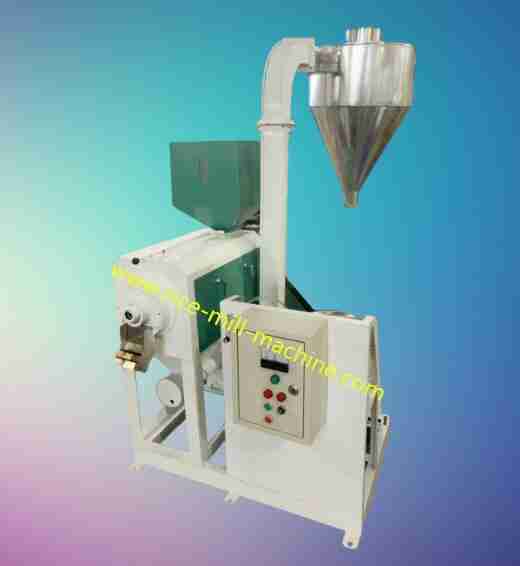
In a world increasingly driven by innovation and efficiency, the culinary landscape is experiencing a quiet yet profound transformation. At the heart of this shift lies an unassuming yet pivotal tool—the mini rice polisher. Traditionally overshadowed by its larger counterparts, this compact device is emerging as a game-changer in grain refinement, offering both small-scale artisans and home cooks unprecedented access to polished rice without sacrificing quality or flavor. As the demand for healthier, fresher grains continues to rise, mini rice polishers are revolutionizing how we prepare and consume rice, marrying traditional practices with modern technology. In this article, we will explore the rise of these versatile machines, delving into their impact on the rice industry, their benefits for consumers, and the way they are redefining our relationship with one of the world’s staple foods. Join us as we uncover the transformative potential of mini rice polishers and the new era they herald for grain refinement.
Emerging Technologies Transforming the Rice Milling Industry
In recent years, the rice milling industry has witnessed a transformative wave of advancements, particularly with the emergence of mini rice polishers. These compact machines have been engineered to optimize the polishing process while minimizing wastage. Traditional rice milling often resulted in a significant loss of grain weight due to rough handling, but mini rice polishers utilize advanced technology to ensure higher yield and grain quality. By harnessing features such as precision control systems and gentle polishing mechanisms, these machines not only preserve the nutritional value of rice but also cater to the needs of smaller rice producers and local markets.
Furthermore, the integration of smart technology into these mini polishers offers unprecedented benefits. Operators can monitor and adjust settings in real time, ensuring consistent output quality. Some standout features include:
- Energy Efficiency – Reduced energy consumption compared to traditional milling systems.
- Compact Design – Space-saving solutions ideal for small-scale operations.
- Automation – Streamlined processes through minimal manual intervention.
The result is an environment where small-scale rice producers can thrive while contributing to sustainable farming practices. These innovations not only elevate the standard of rice processing but also empower local economies through improved efficiency and product quality.
Understanding the Benefits of Mini Rice Polishers for Small-Scale Farmers
For small-scale farmers, the introduction of mini rice polishers has opened a door to efficiency and quality that was previously inaccessible. These compact and user-friendly machines allow farmers to process their grains with minimal effort, ensuring that they produce high-quality polished rice. The most significant benefits include:
- Cost-Effectiveness: Mini rice polishers require a lower initial investment than larger machines, making them ideal for small operations.
- Time Saving: These machines significantly reduce the time needed for processing, enabling farmers to prepare their harvest for market more quickly.
- Quality Enhancement: Properly polished rice maintains its nutritional value and improves marketability, providing better returns.
Moreover, mini rice polishers are designed to require minimal maintenance, allowing farmers to spend their valuable time on cultivation rather than equipment repairs. They also possess a compact size that is easy to transport and operate in small fields, catering to farmers with limited space. Here’s a brief comparison that highlights their advantages:
| Feature | Traditional Methods | Mini Rice Polishers |
|---|---|---|
| Processing Time | Several hours | Under an hour |
| Labor Requirements | High | Low |
| Energy Consumption | High | Efficient |
| Initial Cost | High | Affordable |
Enhancing Grain Quality and Nutritional Value Through Modern Equipment
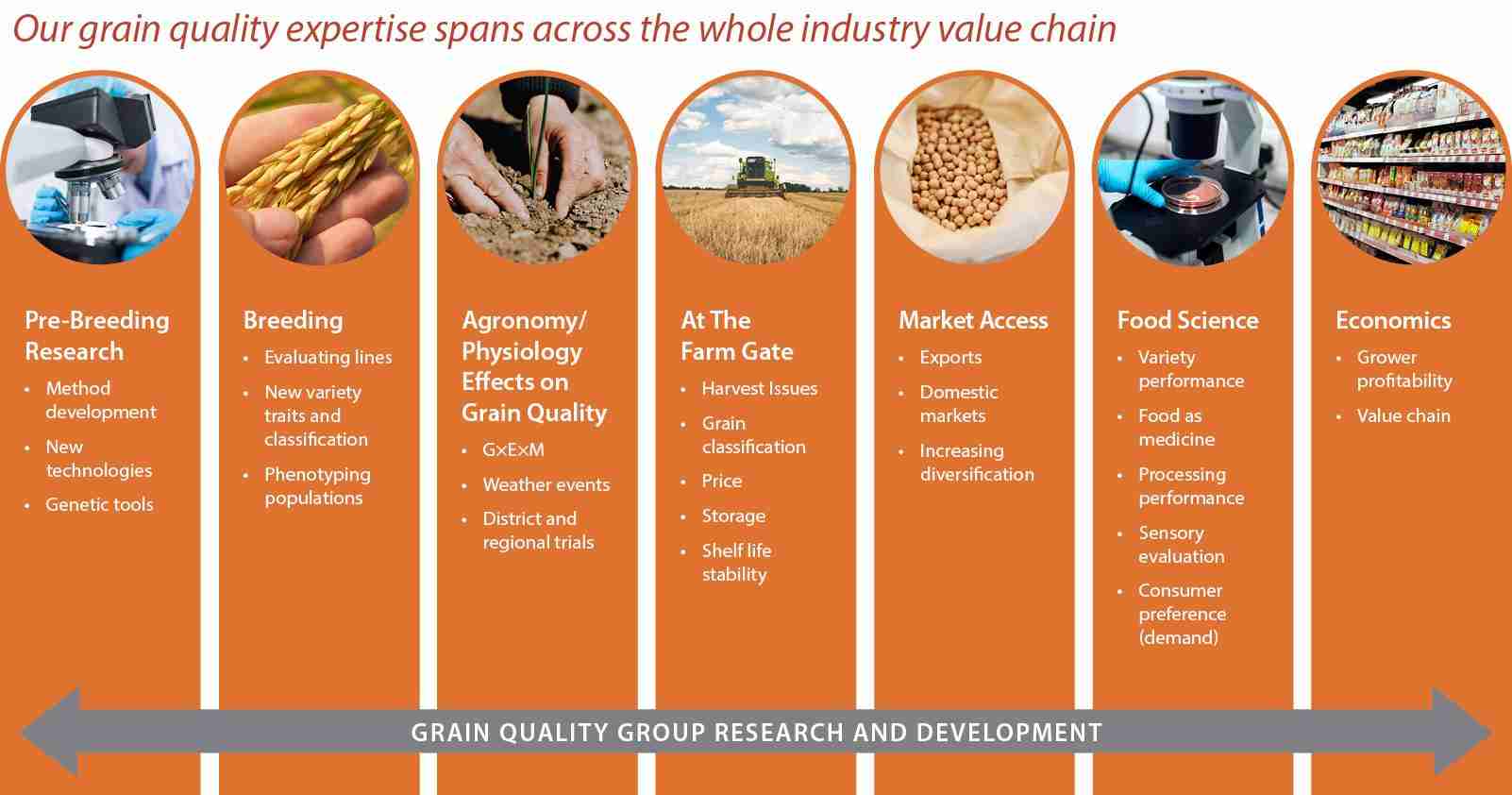
In the quest to elevate the quality of grains and maximize their nutritional potential, modern innovations have paved the way for significant advancements in processing techniques. Among these innovations, mini rice polishers stand out as versatile and efficient equipment poised to transform traditional grain milling practices. These compact machines not only enhance the aesthetic appeal of rice by polishing its outer surface but also preserve the valuable nutrients found within. Their precision engineering allows for a gentle yet thorough polishing process, ensuring that the grains remain intact while being polished to perfection.
Furthermore, the integration of mini rice polishers in grain processing offers a multitude of advantages that directly contribute to improved grain quality. They provide the ability to tailor the polishing process according to specific requirements, resulting in enhanced taste, texture, and nutritional balance. This is particularly beneficial in regions where rice is a staple food, as healthier grains can lead to improved dietary outcomes. Key benefits include:
- Retained Nutritional Value: Customizable settings minimize nutrient loss.
- Increased Market Appeal: Aesthetic grains attract higher prices.
- Efficiency: Reduced processing time without compromising quality.
- Versatility: Adaptable for various grain types and sizes.
| Feature | Mini Rice Polishers | Traditional Polishers |
|---|---|---|
| Size | Compact and portable | Bulky and stationary |
| Efficiency | High throughput with low energy | Variable efficiency |
| Nutrient Retention | High | Lower |
| Cost | Affordable for small-scale farmers | Higher investment needed |
Practical Tips for Choosing the Right Mini Rice Polisher for Your Needs
Choosing the right mini rice polisher requires a combination of understanding your specific needs and considering the features available on the market. Start by assessing the volume of rice you need to polish regularly. If you’re a casual user or running a small household, a smaller capacity model may suffice. Conversely, if you’re in a business setting or sell polished rice, look for a machine that handles higher capacities efficiently. Key features to consider include ease of cleaning, motor strength, and durability of materials used in construction.
Another aspect to think about is the polishing quality and the level of automation you prefer. Some mini rice polishers come with advanced mechanisms that minimize breakage and retain nutritional value, while others may require more manual oversight. Additionally, consider the energy efficiency of the models you’re looking at, as this can have a significant impact on operational costs in the long term. Before making a purchase, reading user reviews and checking warranty options can provide valuable insight into the longevity and performance of the polisher, ensuring you get the most bang for your buck.
| Feature | Importance |
|---|---|
| Capacity | Choose based on your usage needs. |
| Polishing Mechanism | Affects rice quality and efficiency. |
| Ease of Cleaning | Essential for maintenance and hygiene. |
| Energy Efficiency | Helps reduce operational costs. |
| User Reviews | Gives real-world performance insights. |
To Conclude
In a world where efficiency and sustainability intertwine, the rise of mini rice polishers stands as a testament to innovation in the grain refining industry. As we look towards the future, it is clear that these compact machines are not merely tools but pivotal players poised to redefine the way we approach rice polishing. By marrying tradition with technology, mini rice polishers promise to enhance the quality of rice, reduce waste, and cater to the growing demand for healthier food options. As we usher in this new era of grain refinement, the impact of these machines will likely resonate far beyond the milling floors, touching the lives of consumers and farmers alike. In the grand tapestry of agricultural progress, mini rice polishers symbolize a small yet significant revolution—one that invites us to rethink how we engage with our food systems and embrace the innovations that can lead to a more sustainable future.




