
In the ever-evolving landscape of technological advancements, few innovations have emerged as transformative forces quite like Jet Rice Technology. This groundbreaking approach to rice milling and processing has not only redefined efficiency but has also elevated the standards of quality in grain production. As the demand for superior food products grows, so too does the necessity for methods that can deliver on expectations without compromising sustainability. In this article, we delve into the genesis of jet rice technology, exploring its origins, the science behind its operation, and the implications it holds for the future of agriculture and food preparation. Join us on this journey as we uncover how a simple grain is being polished to perfection, one jet stream at a time.
The Evolution of Jet Rice Technology and Its Impact on Agriculture
Over the past few decades, the agricultural landscape has undergone a significant transformation, primarily driven by technological advancements. One of the most notable innovations is the introduction of jet rice technology, which has revolutionized the way rice is processed and refined. This technology employs a high-velocity jet of air and water to clean and polish rice grains, yielding a product that is not only visually appealing but also nutritionally beneficial. The effectiveness of this method has led to increased production efficiency and reduced wastage in the milling process, thus establishing a new paradigm in rice cultivation practices.
Furthermore, the impact of jet rice technology extends beyond mere aesthetics. Farmers and millers have reported various benefits, including:
- Improved Grain Quality: The polished rice produced through jet technology retains more vitamins and minerals compared to traditional methods.
- Higher Market Value: Consistently high-quality output attracts better prices in both local and international markets.
- Environmentally Friendly: Reduced water and energy consumption in the milling process lowers the carbon footprint.
In essence, this evolving technology not only enhances the profitability of rice farming but also contributes to sustainable agricultural practices. As the industry continues to adapt and innovate, the long-term impact of jet rice technology on global food systems will likely be profound.
| Advantage | Description |
|---|---|
| Efficiency | Faster processing times compared to conventional milling. |
| Quality Control | Consistent results with less variability in grain quality. |
| Sustainability | Lower resource consumption leads to more eco-friendly practices. |
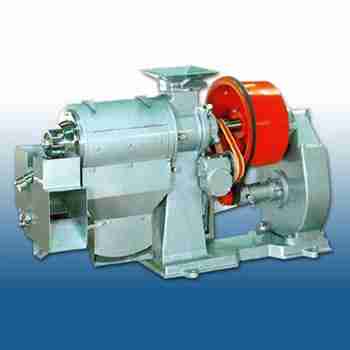
Key Advantages of Jet Rice Technology for Sustainable Farming Practices
The advent of Jet Rice Technology is transforming traditional rice milling processes by introducing a myriad of sustainable practices that benefit both farmers and the environment. This advanced technique utilizes high-velocity air jets to separate impurities from rice grains, significantly reducing water and energy consumption during the milling process. By decreasing reliance on water, farmers can conserve this precious resource, especially in regions prone to droughts. Additionally, the technology minimizes the generation of waste by ensuring that every grain is processed with utmost efficiency, allowing farmers to maximize their yields while minimizing their ecological footprint.
Another compelling advantage is the enhancement of grain quality, which directly impacts marketability and pricing. With Jet Rice Technology, grains are polished to perfection without compromising their nutritional integrity. This innovation leads to:
- Higher market value: Premium quality rice attracts better prices.
- Reduced post-harvest losses: Efficient milling prevents damage to grains.
- Lower energy costs: Streamlined processes lead to significant savings.
- Improved food safety: The reduced need for chemical additives enhances safety for consumers.
In sum, Jet Rice Technology not only enhances the efficiency of rice production but also aligns with the principles of sustainable farming by promoting environmental stewardship and economic viability. As more farmers adopt these advanced methods, the impact on food security and community livelihoods can be profound.

Integrating Jet Rice Technology: Best Practices for Maximum Efficiency
To harness the full potential of Jet Rice Technology, consider focusing on customization and workflow optimization. Every rice polishing operation has unique requirements, and integrating adjustable settings allows for a tailored approach. Operators should prioritize regular training sessions for staff, ensuring they understand the intricacies of the technology and can troubleshoot minor issues independently. Implementing a real-time monitoring system helps in detecting abnormalities early, ensuring the consistency of polished rice while minimizing waste.
Another pivotal aspect revolves around sustainable practices. Utilizing energy-efficient models of Jet Rice Technology can significantly reduce the carbon footprint of your operations. Regular maintenance schedules are essential to prolonging the lifespan of the equipment, which can help reduce long-term operational costs. Additionally, fostering collaborative relationships with suppliers for high-quality raw materials ensures that the polishing process is effective, leading to superior output and minimizing the need for re-polishing. Below is a visual representation of best practices:
| Best Practice | Description |
|---|---|
| Customization | Adjust settings based on specific rice types and quality requirements. |
| Real-time Monitoring | Implement systems to detect irregularities promptly. |
| Energy Efficiency | Utilize models designed to minimize energy consumption. |
| Maintenance | Schedule regular check-ups to ensure optimal performance. |
| Quality Materials | Source high-quality raw rice to enhance polishing results. |
Future Trends in Jet Rice Technology and Its Role in Global Food Security
The evolution of jet rice technology is poised to address the escalating challenges of global food security by enhancing grain quality and increasing efficiency in rice processing. This innovative technique uses high-pressure air jets to remove the husk and bran layers of rice, producing perfectly polished grains with minimal loss of nutrients. As the world grapples with the double burden of malnutrition and food waste, jet rice technology emerges as a game-changer. Its ability to produce cleaner, more appealing rice not only increases consumer acceptance but also opens avenues for markets that prioritize quality.
Furthermore, the future of jet rice technology holds promise for sustainability in food production. By optimizing energy consumption and reducing water usage during processing, this method aligns with the global push for environmentally friendly agricultural practices. The potential for biomass recovery adds another layer of sustainability, as by-products from the milling process can be converted into biofuels or effective soil amendments. As countries work towards self-sufficiency in rice production, embracing these advanced technologies will be crucial. Here are some key trends that could shape the future of jet rice technology:
- Increased Automation: Advancements in AI and robotics can streamline rice milling processes.
- Sustainable Practices: Emphasis on low-waste and eco-friendly production methods.
- Global Collaboration: Countries sharing technological advancements and best practices.
- Nutritional Enhancement: Focus on fortifying rice with essential vitamins and minerals.
To illustrate the impact of jet rice technology on food security, consider the following comparative data showcasing grain quality and processing efficiency:
| Metrics | Traditional Milling | Jet Rice Technology |
|---|---|---|
| Grain Polishing Efficiency | 75% | 95% |
| Nutrient Retention | 50% | 80% |
| Processing Time | 2 hours | 30 minutes |
| Energy Consumption | High | Reduced |
jet rice technology represents a pivotal advancement in rice processing that not only enhances the quality of rice but also supports global food security initiatives through sustainability and efficiency. As we look towards the future, the integration of such technologies into agricultural practices is essential for feeding a growing population while preserving the planet’s resources.
Final Thoughts
the evolution of Jet Rice Technology has marked a pivotal moment in the world of agricultural innovation, blending tradition with cutting-edge advancements. As we journey through the landscapes of this polished perfection, it becomes evident that the meticulously engineered jet-enhanced process not only enhances the quality of rice but also supports sustainable farming practices and boosts productivity. With its roots deeply embedded in the quest for superior grain, Jet Rice Technology stands as a beacon of progress in the agricultural sector, poised to redefine how we think about food production and consumption. As we move forward, the collaboration of farmers, technologists, and researchers will be essential in realizing the full potential of this breakthrough, ensuring that we meet the needs of a growing global population while preserving the essence of this staple crop. The future of rice is not just in its cultivation; it lies in the innovation that surrounds it, inviting us all to embrace a future where tradition meets technology in harmonious synchrony.




