In the expansive tapestry of agriculture, few crops are more emblematic of sustenance and culture than rice. As billions around the globe rely on this staple for their daily nourishment, the journey from seed to harvest embodies a delicate interplay of tradition and innovation. At the heart of this process lies a fascinating synergy between the farmers who cultivate the land and the machinery that has revolutionized their craft. From the gentle hum of a seed drill piercing the earth to the robust thrum of a combine harvester gathering the golden grains, the evolution of rice machinery has not only transformed agricultural practices but also redefined the lives of the farmers who depend on them. This article delves into the intricate relationship between these modern machines and the age-old traditions of rice farming,exploring the challenges and triumphs that characterize this vital journey from field to fork. join us as we navigate the landscape where cutting-edge technology meets time-honored expertise, ensuring that the world’s most consumed grain continues to thrive.
Rooting Dreams in soil: The Intersection of Tradition and Technology in Rice farming
In the heart of rural landscapes, where the gentle rustle of rice paddies tells stories of generations, the marriage of tradition and technology is evident. take the example of Amira, a rice farmer from a small village in Indonesia. Every year, she follows her grandmother’s teachings, planting rice on an auspicious day, ensuring that the sun and moon align just right. Yet, in her effort to preserve these cultural practices, Amira has embraced modern tools, such as drone technology for monitoring crop health and soil moisture sensors for optimizing water use. This blend empowers her to maintain her family legacy while achieving yields once deemed impossible.
However, the path is not without its challenges. In her first attempt using a drone, Amira expected instant results—vast fields of lush rice thriving under precisely delivered nutrients. Instead, she discovered variability in crop health that the sensors revealed, leading to mixed outcomes across her paddies. Lessons were learned as she realized that technology is only as effective as the mind behind it.Combining her knowledge of conventional farming methods with the information gathered through her high-tech tools allowed Amira to adjust her practices and achieve a more bountiful harvest. In navigating this intersection, she found that honoring her roots while being open to innovation can redefine what success looks like in rice farming.

Through Struggles and Seasons: The Relentless Pursuit of Productivity in Rural Communities
Amidst the scenic landscapes of rural communities, the path to productivity frequently enough resembles a challenging journey over uneven terrain. Farmers like Anil have witnessed firsthand the unpredictability of seasons. After investing months cultivating his rice fields, a sudden drought struck, leaving Anil grappling with a grim choice: invest in high-efficiency irrigation machinery or risk a failed crop. Each day brought new challenges as he weighed the financial strains against the desperate need to adapt to climate changes. In that pivotal moment, Anil discovered the importance of community connections. By pooling resources with neighboring farmers, he learned to share the costs of new machinery, resulting in not only revived crops but also strengthened relationships within the village.
As farmers like Anil navigate the complexities of rice production, the lessons extend beyond mere mechanization. The stark contrast between expectation and reality frequently enough teaches resilience. While many enter the agricultural sector envisioning bountiful harvests and prosperous returns, the persistent challenges—including pests, market fluctuations, and equipment breakdowns—can quickly turn dreams into disillusionment. consider priya, who invested her savings in the latest harvesting machine only to face mechanical failures during peak season. The situation became a turning point, prompting her to become involved in local farmers’ cooperatives where knowledge-sharing and hands-on training became essential. By engaging with other farmers, Priya learned not just about machinery upkeep but also about collective bargaining practices, transforming her initial setback into a chapter of growth and empowerment.
Machines in the Field: Transformative Tools that Shape the Rice Harvest Experience
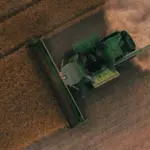
Consider a small farm in the verdant fields of Vietnam, where a family of rice farmers has relied on traditional methods for generations. Every year, the anxiety of the harvest looms—Inevitably, a looming storm threatens their yield, and the question arises: should they continue with manual harvesting or invest in a mechanical harvester? After much deliberation, they decide to purchase a second-hand combine harvester, an act that transforms their farming experience. They find that instead of spending weeks cutting stalks manually, they can now harvest an entire field in just a few days. This machine not only saves time but also improves the quality of their harvest, as it minimizes grain damage compared to their old methods. The farmer can focus on other responsibilities,like strengthening their connections with local markets,rather than exhausting themselves under the burning sun.
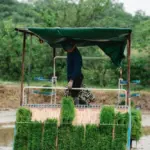
Yet, this transition isn’t free from challenges. A local farmer cooperative’s experience illustrates this perfectly. They pooled resources to buy two modern transplanters, expecting that machine-assisted planting would streamline their labor-intensive work. However, they faced complications: the machines required precise calibration and maintenance, and not all operators were trained adequately. After several failed attempts,they held a workshop,encouraging members to share their experiences and lessons learned. One member, in particular, shared their struggle with user manuals, leading to a humorous yet enlightening discussion on the value of hands-on training versus theoretical knowledge. Over time, they managed to optimize the use of the transplanters, realizing that investing in their education about operating and maintaining machinery was as crucial as the machines themselves. Through these journeys, the farmers don’t just adopt technology; they reshape their identity, navigating the delicate balance between tradition and innovation in their pursuit of enduring rice farming.
Lessons from the land: Stories of Resilience and Innovation in Modern Agriculture
In a small village in the heart of Vietnam, a farmer named Minh embodies the challenges and triumphs faced by today’s rice producers. After years of relying solely on traditional methods, Minh decided to invest in a new rice harvester, a decision that was as daunting as it was necessary. His expectations soared; he envisioned bountiful harvests and abundant profits. However, the initial results were disheartening. The machine, while state-of-the-art, required a level of technical know-how that Minh had never acquired. After a few frustrating days of barely making progress, he faced a pivotal moment: embrace the machine or return to his old ways. Minh chose to adapt.He reached out to a neighboring farmer who had undergone similar struggles, and together they delved into online tutorials and attended local workshops. This collaboration not only improved Minh’s skills but fostered a community spirit,setting the stage for mutual learning and increased resilience against future challenges.
Minh’s journey wasn’t unique; it echoed the experience of farmers across Asia,where the push for modernization frequently enough collides with deep-rooted traditions. Meanwhile, in India, a couple named Kavita and Arjun faced starkly different beginnings with their venture into mechanized agriculture. Initially, they anticipated that their new investment in precision planting technology would optimize their yields with minimal effort. However,the reality was a series of adjustments and recalibrations,often leading to unexpected setbacks.When their machine miscalibrated seed distributions during a critical planting season, they feared the worst. Yet, rather than viewing this as a failure, they took it as a lesson in adaptability. By analyzing the shortfall, they began implementing data-driven practices, learning to interpret the machinery’s feedback for future plantings. The result was a harrowing yet enlightening season that ultimately led to a more sustainable and informed approach to agriculture, illustrating how resilience frequently enough comes from the willingness to embrace discomfort and learn from every misstep.
Wrapping Up
As we conclude our exploration of the intricate journey from seed to harvest in the world of rice cultivation, it becomes clear that the relationship between farmers and their machinery is not merely one of utility but of mutual dependence and evolution.The journey of rice machinery—from the earliest hand tools to cutting-edge technology—mirrors the resilience and adaptability of the farmers who wield these tools. it is indeed a continuous cycle, fueled by innovation and tradition, where each advancement in machinery strives to enhance sustainability, yield quality, and efficiency.
The stories we’ve uncovered reflect a profound truth: the heart of agriculture lies in the hands of those who cultivate the land. Their struggles and triumphs,intertwined with the evolution of rice machinery,highlight a narrative of human ingenuity and perseverance. As the world increasingly confronts challenges such as food security and climate change, the commitment of farmers and the advancements in their tools will be pivotal in shaping the future of rice production.
In this ongoing journey from seed to harvest, we are reminded that every grain of rice carries with it the legacy of those who plant, nurture, and ultimately reap its rewards. It is a testament to the enduring bond between humanity and agriculture—one that will continue to flourish as long as the earth allows us to cultivate and innovate. With this understanding, we can appreciate not just the rice on our plates, but the complex tapestry of lives and technologies that bring it to our tables.