From Grain to Glory: The Journey of Transformation in Jet Rice Polishing
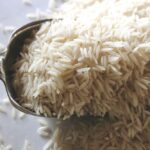
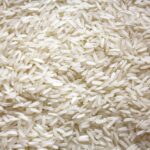
In the heart of rice-producing regions, where vast fields sway under the sun’s embrace, a remarkable transformation occurs—a journey from humble grain to a polished jewel of the culinary world. This is the story of jet rice polishing, a meticulous process that elevates ordinary rice into a staple celebrated for its texture, taste, and nutritional value. As we delve into the intricacies of this art, we uncover not just the physical transformation but also the cultural significance embedded within each grain. Join us as we explore the techniques, innovations, and traditions that fuse together to create the polished perfection that graces tables worldwide, illuminating the interesting pathway of rice from its earthy origins to gastronomic glory.
Harvesting Potential: The Untold Story of paddy’s Journey to High-Quality Rice
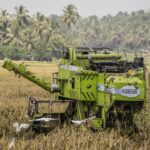
In the lush fields of Southeast Asia, paddy farmers rise before dawn, the first light illuminating rows of green that sway gently in the breeze. Each season holds a promise,and as the harvest draws near,the anticipation builds. Take, for example, the story of a smallholder farmer named Ramesh, who has inherited his family’s rice fields for generations. In the past, Ramesh relied solely on traditional methods, leading to mixed results: while some crops flourished, others succumbed to pests or disease. This year,however,he decided to implement modern agricultural techniques,integrating integrated pest management and disease-resistant seed varieties. The transformation was striking; Ramesh not only saw an increase in yield but also noted the quality of his paddy improved substantially. It became apparent that the right decisions made during the growing phase set the stage for what would ultimately be deemed high-quality rice.
Once harvested, Ramesh faced another crucial decision moment: the journey from paddy to polished rice.After attending a local farmer’s workshop, he learned about the importance of the jet rice polishing process. Unlike traditional milling which could strip rice of its nutrients and flavor, the jet polishing method preserves the integrity of the grain while enhancing its aesthetic appeal, producing rice that gleams with potential. Ramesh was hesitant about the initial costs of investing in modern milling equipment but weighed them against the promise of higher market prices for premium rice. When he finally took the leap,the results spoke for themselves.His polished rice received accolades at the market, and customers were willing to pay substantially more. This experience taught Ramesh a vital lesson: investing in quality processes not only improves end products but adds significant value that can transform an entire livelihood. The once mundane task of polishing rice became a party of quality, yielding recognition and a deeper connection to his craft.

Navigating the challenges: Trials and Triumphs in the World of Jet Polishing
Navigating the challenges of jet polishing involves a multitude of decision points that can significantly impact both the quality of the rice and the operational efficiency of the mill.As an example, consider a small family-owned rice processing unit in West Bengal. They initially invested in an advanced jet polishing machine, excited by the promise of a 10% increase in yield and a reduction in broken rice. However, their high hopes were met with unexpected challenges. The first few batches processed resulted in uneven polishing, with patches of rice emerging with dull exteriors due to inconsistent air pressure settings. The mill owners realized the importance of not just having state-of-the-art machinery but also understanding its operational nuances. They soon pivoted their strategy—investing time in staff training and conducting regular maintenance, which in turn transformed their polishing process from a source of frustration to one that consistently aligned with their expectations.
Another poignant example comes from a larger mill in Andhra Pradesh. Faced with the rising costs of raw materials amid fluctuating market conditions, they initially approached jet polishing through a lens of cost-cutting—aiming to reduce the operational time for polishing. They deployed a high-speed jet polishing machine, expecting to cut their production cycle in half. Instead, they encountered a dip in product quality, leading to an increase in consumer complaints.The decision moment came when they had to choose between prioritizing speed or quality.Opting to recalibrate their expectations, they reintroduced a moderate-speed process that maintained high visual standards and taste. This pivot not only improved customer satisfaction but also fortified their brand reputation in the long run.Effective communication among team members and constant feedback allowed them to refine their approach continuously and learn from both mistakes and successes, culminating in a robust polishing protocol.
Lessons from Nature: How Traditional Methods Meet Modern Innovations in Rice Processing
In the realm of rice processing, the dance between tradition and modern innovation reveals profound insights. One rice mill owner in rural India, Rajesh, inherited a traditional processing facility that relied heavily on aging machinery and manual polishing methods. While Rajesh respected the time-honored techniques that had served his family for generations, he was constantly aware of the growing competition from larger, more technologically advanced mills. decision time came when he realized that the market demand was shifting towards higher-quality, polished rice. Instead of abandoning his roots, Rajesh sought a balance by integrating resilient traditional methods with modern technologies. He invested in a new jet polishing machine capable of enhancing the surface quality of rice, paired with skilled workers who maintained the gentle techniques of manual polishing to preserve the intrinsic flavors of the grain. This amalgamation allowed him to offer a product that not only retained the authenticity of traditional rice but also met the rising standards of modern consumers, ultimately leading to a surge in sales and renewed appreciation from local buyers.
The lesson learned through rajesh’s journey is one of balance and adaptability. Traditional methods often emphasize a deep respect for the nuances of agriculture, focusing on small-batch quality over mass production. In contrast, modern innovations prioritize efficiency and speed. By embracing the strengths of both worlds, Rajesh fostered a unique processing identity that appealed to the evolving tastes of his clientele. Similarly, a cooperative in the Philippines took inspiration from this blend: while utilizing traditional soaking techniques that enhance the grain’s aroma, they paired this with advanced drying systems that reduce post-harvest losses. The result was not just rice; it became a cultural product that sustained local livelihoods while preserving community heritage. these real-world examples illustrate the powerful outcomes that stem from merging age-old wisdom with the precision of contemporary technology—transforming the rice from merely a grain to a sought-after culinary delight.
From Struggle to Success: Real Stories of Farmers Turning Raw Grain into Culinary Excellence
In the heart of california’s Central Valley, a group of rice farmers faced a turning point in their journey.John and Maria, whose family had farmed rice for generations, were grappling with stagnating profits due to increased competition and outdated processing methods.These challenges sparked a pivotal decision: to invest in new rice polishing technology. As they navigated the complexities of financing their upgrade, they often found themselves weighing the risks against the vision of producing higher-quality grains. After numerous discussions and a painstaking review of their budget, they decided to take the plunge. The day the new polishing machine arrived marked a significant turning point, filled with hope and trepidation.
As the weeks passed, the investment began to pay off. The polished rice not only improved in appearance but also gained a reputation for extraordinary taste. Encouraged by early positive feedback, John and Maria started experimenting with different marketing strategies, showcasing their rice at local farmers’ markets. They learned valuable lessons, such as the importance of connecting with consumers directly and sharing their story—emphasizing the authentic, small-batch nature of their product. According to Maria, “People appreciate knowing where their food comes from and how it’s made.” What began as a struggle transformed into a thriving business, with sales doubling over the course of the year.This journey not only shifted their financial landscape but also rekindled their passion for farming,proving that embracing change can indeed lead to culinary excellence.
To Conclude
As we conclude our exploration of the intricate journey from grain to glory in the world of jet rice polishing,we find ourselves at the intersection of tradition and innovation. Each grain tells a story – one that begins in the fertile fields and culminates in the meticulously polished rice that graces our tables. This transformation is not merely a process; it is a celebration of craftsmanship, a commitment to quality, and a nod to the enduring practices that honor the land and its resources.
Through the art of polishing, we have seen how technology and age-old methods can harmoniously coexist, providing a pathway to elevate a humble grain into a symbol of nourishment and culture.As the rice glistens, reflecting the care and precision imbued within each stage of its journey, we are reminded of the deeper connections that food fosters in our lives. Whether it is a family gathering or a simple meal, jet rice serves as a reminder of the dedication behind its existence.
In an ever-evolving world, the story of jet rice polishing is still being written, blending innovations that honor its rich history with the promise of sustainable futures. Let us appreciate not only the product on our plates but also the tale of transformation it carries – an enduring testament to the power of dedication, skill, and reverence for the grains that sustain us. So, as we savor every bite, may we also celebrate the journey that brings that jet rice from field to feast.