In the heart of fertile fields,where golden grains sway gently in the breeze,a silent revolution is brewing—one that stretches far beyond the simple elegance of a rice plant. “From Field to Future: The Journey of Rice Machinery in transforming Agriculture and Lives” takes us on a compelling exploration of how innovation is reshaping the landscapes of both agriculture and society. As the world grapples wiht the challenges of feeding a growing population amidst climate uncertainties, the evolution of rice machinery stands as a testament to human ingenuity and resilience.This article delves into the intricate dance between tradition and technology,unveiling how advancements in machinery are not just enhancing crop yields,but also empowering farmers,revitalizing communities,and paving the way for sustainable practices. Join us as we unravel the story of rice—from the soil that nurtures it to the machines that harvest it—highlighting a journey that promises to redefine the future of food production and the lives it touches.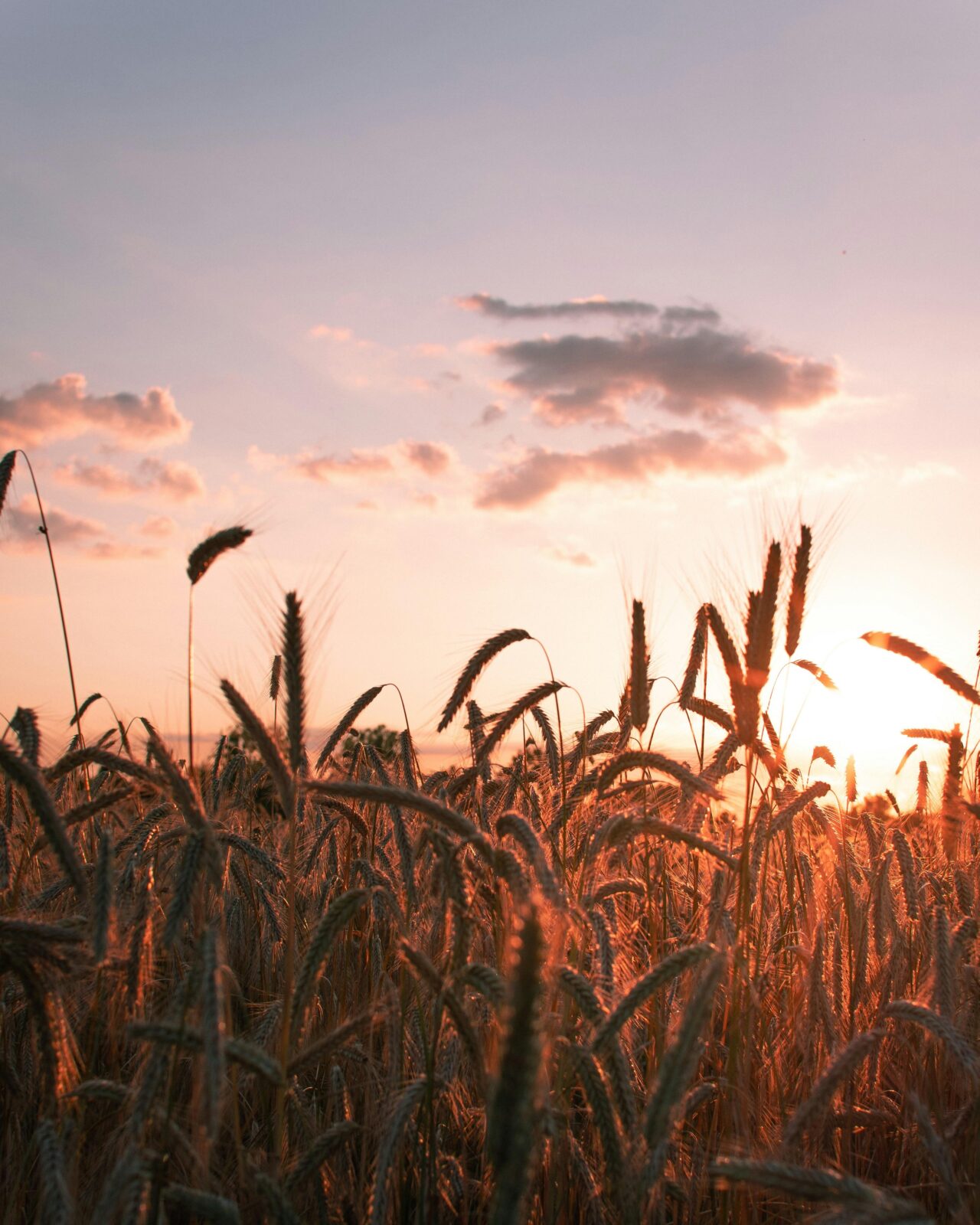
Harvesting Innovation: How Rice Machinery Meets the Challenges of Modern Agriculture
In the heart of Southern India, a small village known for it’s picturesque rice paddies faced a growing crisis. The farmers,relying on traditional methods,were struggling to meet the rising demands for rice. One day, an enterprising farmer named Ravi made the decision to invest in a modern rice harvester. Initially hesitant due to the high cost and the worry that it wouldn’t live up to its promises, he took a leap of faith—a moment that would change not only his fortune but also that of his community. With the harvester, Ravi could gather his crop in a fraction of the time, allowing him to focus on improving his field’s productivity and even explore sustainable farming practices. The contrast was striking: what once took weeks became manageable in just days. Ravi’s story is not unique; it echoes across several regions facing similar dilemmas, and each successful adoption of technology invites others to reconsider their ways, sparking a collective change.
The positive ripple effects of machinery in agriculture extend beyond individual farmers. In another part of the country, a cooperative of rice farmers began pooling resources to purchase a transplanter. This decision, motivated by a vision of efficiency and crop yield advancement, opened new possibilities. Before this change, their expectations were modest, hoping merely to save time. The reality exceeded their hopes—each farmer reported not only higher yields but also improved plant health due to better planting depth and spacing. This group eagerly embraced training sessions on the technology,realizing that knowledge empowerment was just as vital as the machinery itself. Consequently, they collectively built a stronger community, passing on their experiences to neighboring villages and fundamentally altering the agricultural landscape of their region.

From Tradition to Transformation: The Role of Technology in revitalizing Rural Livelihoods
In a small village in Punjab, where rice paddies stretch as far as the eye can see, many farmers have lived for decades with the rhythm of the seasons, practicing age-old cultivation techniques passed down through generations.Yet, as climate change started to alter weather patterns, the pressure mounted for a transformation. This is where technology stepped in, not as a distant concept but as a palpable change in the farmers’ daily lives.Rajesh, a rice farmer, faced a pivotal decision: cling to traditional methods or embrace new machinery that promised to streamline the harvest. After much deliberation,he rented a combine harvester for his field—a decision that would not only boost his yield but also spark curiosity among his neighbors.
As the machine whirred to life, Rajesh watched in awe as it effortlessly harvested his crop, a task that usually took several grueling days. That evening, as he shared his experiance at the village community center, his excitement was infectious. Farmers who had once been skeptical began to reconsider their usual ways of working. Key benefits of adopting technology included:
- Increased Efficiency: What once took a week was completed in a matter of hours.
- Labor Savings: With fewer hands needed for the harvest, young people were encouraged to pursue education rather than working the fields.
- Higher Quality Yield: advanced machinery reduced crop damage, leading to better sales prices.
Yet, this transformation wasn’t without challenges. Some farmers struggled with the cost of machinery and were hesitant to navigate new financing options. They feared that the initial investment would outweigh potential benefits. However, as Rajesh demonstrated the financial turnaround on his investment, the village gradually shifted its perspective. They learned that embracing technology didn’t mean discarding tradition but building upon it, creating a bridge from their past into a more sustainable future. The path wasn’t straightforward, but it was undeniably promising.
Turning Points in the Rice Fields: Stories of Resilience and Adaptation Through Machinery
In the heart of rural India, a small village named Ganga Bazar found itself at a crossroads. For generations, its farmers relied on traditional methods, cultivating rice with hand tools and the labor of their families during the monsoon months. As climate change and unpredictable weather patterns began to challenge these age-old practices, the farmers faced declining yields and uncertain futures. the introduction of modern machinery, like the mini rice mill, became a beacon of hope. villager Anil Sharma,once skeptical about shifting from manual processes,decided to invest his savings in a rice transplanter after witnessing a neighbor’s successful crop yield increase. This decision marked a turning point; not only did Anil reduce the time spent in the fields but also improved the quality of his harvest. His story illustrates how adaptation through machinery can reshape lives, proving that tradition does not have to be abandoned but can, instead, evolve.
Though, the road to embracing this new technology was not without its challenges. Ganga bazar’s farmers had to reconcile their expectations of immediate success with the often slow, subtle benefits of mechanization. The initial excitement surrounding the introduction of tractors and harvesters soon gave way to a learning curve that tested their patience. Some farmers like Priya Kaul, who had anticipated a magic solution to their problems, with crops burgeoning overnight, were initially disheartened when machinery broke down or required more maintenance than expected. Yet,as Priya learned to navigate these challenges,she not only improved her operational efficiency but also helped fellow villagers understand the importance of maintenance and training. This collective resilience transformed Ganga Bazar from a community hesitant about change into one that celebrated the balance of technology and tradition, fostering a renewed spirit of optimism about their agricultural future.
Cultivating a Sustainable Future: Lessons Learned from the Integration of Machinery and Community Efforts
the integration of advanced rice machinery into traditional farming practices has sparked a transformation that extends beyond mere productivity; it has nurtured a deeper connection between communities and their environment. One compelling example comes from Da Nang, Vietnam, where local farmers adopted a new mechanism for water management that substantially reduced water consumption. Initially, there was skepticism about the effectiveness of the machinery, rooted in a long history of traditional practices. Yet,after the first season of using the drip irrigation system,farmers noticed not only a decrease in water usage but also a healthier crop yield. As they gathered in community meetings to share their findings, a crucial decision moment emerged: should they keep the machinery exclusively for larger farms, or make it accessible for smaller, resource-limited farmers? Ultimately, they chose to promote collective use—demonstrating that sustainability flourishes when inclusivity prevails.
Another story unfolds in Kenya, where smallholder farmers faced escalating challenges due to climate change. After the introduction of solar-powered rice harvesters, expectations were high; many anticipated a windfall of increased efficiency. However, the reality was a mixed bag. While some managed to harvest their crops more rapidly, others struggled with the technical aspects of machinery maintenance. A heartfelt decision arose: the local farming cooperative initiated workshops where more experienced users taught others the ropes. This not only built confidence among the farmers but fostered a sense of community. Observing the tangible results—improved harvests and a reduction in post-harvest losses—underscored a key lesson: technology can be a powerful ally in farming, but its true potential is realized when it is embraced collectively, ensuring that no one is left behind in the pursuit of sustainable agricultural practices.
Future Outlook
As the sun sets over the golden fields where rice sways gently in the breeze, it’s clear that the journey of rice machinery is far more than just a tale of innovation. It is a story woven into the very fabric of communities, cultures, and economies across the globe. From the primitive tools of the past to the elegant technology shaping our agricultural future, each step reflects a deep commitment to improving the livelihoods of farmers and nurturing the land that sustains us.
As we look toward the future,the potential for rice machinery to continue transforming not only agriculture but also the very lives it touches remains boundless. With advancements in sustainability, efficiency, and accessibility, the next chapter in this narrative promises to enhance food security and empower rural communities in unprecedented ways.
In contemplating the journey of rice machinery,we are reminded that each innovation is a seed of change,holding the power to cultivate new realities and dreams. As we nurture our future, let us continue to honor and advance the legacy of agriculture, ensuring that the field remains fertile for generations to come. The path ahead is as rich and promising as the harvest itself,inviting us all to partake in the collective duty of shaping a brighter agricultural landscape.