In the heart of verdant fields, where the sun dances on waves of golden grain, a remarkable conversion is quietly reshaping the landscape of agriculture. Rice,a staple food for over half the world’s population,is not just a crop; it is a lifeline for millions of rural communities. Though, the challenges of modern cultivation—rising labor costs, unpredictable weather, and limited resources—are prompting farmers to seek innovative solutions. Enter the world of rice machinery: an arena where technology meets tradition, revolutionizing the way farmers approach their trade.This article delves into the intricate journey of rice machinery, exploring its profound impact on the lives and livelihoods of farmers across the globe.Join us as we uncover stories of resilience, adaptation, and hope, illustrating how advancements in agricultural machinery are not only optimizing production but also paving the way for a brighter future in rural areas.
Harvesting Hope Amidst Hardships: The Journey of Rural Rice Farmers
In many rural communities, rice farming is not just an occupation but a way of life, forged through generations. Farmers like anwar, a 45-year-old rice grower from a small village, embody the resilience and hope that characterize these landscapes. for years, Anwar relied on conventional methods: tilling the fields with oxen and sowing seeds by hand. His days stretched long under the sun, often yielding uncertain harvests that barely covered his family’s basic needs. Yet, amid these struggles, Anwar’s commitment to his land and community burned bright. After attending a workshop on modern rice machinery, he found himself at a crossroads, facing a critical decision point: stick to what he knew or embrace change. With a modest savings and a bit of apprehension, he invested in a hand-operated rice transplanter. The immediate results were nothing short of transformative.
The impact of such machinery on anwar’s farm was evident. He found that what once took him weeks to achieve could now be done in days, allowing him to tend to his family’s needs and even explore new revenue opportunities. The decision to transition also sparked hope beyond Anwar’s fields. He shared his knowledge with fellow farmers, fostering a community-wide shift. through a simple community co-op model, many farmers came together, pooling resources to acquire machinery that no one could afford alone. In one year alone, rice production in Anwar’s village increased by nearly 40%, leading to higher incomes and improved living standards. As they faced the challenges of climate change and market fluctuations, the use of machinery helped these rural farmers not just survive, but thrive—transforming expectations into a bright reality.

Shifting Sands: Adapting Age-Old Practices to Modern Innovations in Agriculture
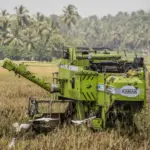
In a small village nestled between lush green paddies, the sound of traditional hand-held sickles slicing through ripe rice stalks once echoed throughout the harvesting season. For the farmers here, this age-old practice was almost ritualistic, steeped in generations of knowledge passed down through families.Though, as younger generations turn their eyes toward new opportunities, the introduction of modern machinery has begun to reshape the landscape. For instance, when the local cooperative invested in a modern combined harvester, everyone held their breath. The investment seemed daunting—was it truly worth it? Yet, the first day of operation changed everything. The harvester,with its sleek metal curves and promise of efficiency,transformed a task that would normally take several days into just a few hours. As the sun dipped low, painting the village in golden hues, farmers crowded around to witness the fruits of their decision.
While this transition initially brought skepticism,the advantages began to stack up. Local farmer Ramesh shared his experience, detailing how the harvester not only reduced labor costs but also improved the quality of the harvest. In turn, farmers started to focus on better crop management practices. The community began to see deeper discussions about sustainable farming, embracing precision agriculture technologies like soil sensors and weather forecasting apps. yet, it wasn’t all smooth sailing—some elders expressed concerns about the loss of cultural heritage associated with traditional practices. Ramesh himself grappled with balancing modern techniques with respect for his ancestors’ time-honored ways.Ultimately, these experiences underscored a poignant lesson: embracing innovation does not mean discarding tradition; rather, it can enhance it, creating a hybrid approach that respects the past while paving the way toward a more sustainable and productive future.
Stories of Resilience: Personal Transformations Through Advanced Rice machinery
Consider the journey of Ramesh, a smallholder rice farmer in Bihar, India. For years, Ramesh struggled with his outdated cultivation methods, spending long hours bent over the fields, sowing seeds by hand and battling weeds with simple tools. Despite his relentless efforts, the yield remained poor, leaving him and his family in a cycle of debt.The arrival of advanced rice machinery in his village marked a turning point. At a local farmers’ cooperative meeting, he listened to a presentation on modern seeders and harvesters. In that moment of decision, Ramesh chose to invest in a small tractor and a seed drill. The decision was daunting, with limited savings to fall back on, but the possibility of improving his yield was too compelling to ignore.
Fast forward one season, and Ramesh’s fields tell a different story. Utilizing the seed drill, he achieved uniformity in sowing, which reduced waste and improved germination rates. With the tractor, he managed to harvest his crop within days rather than weeks, allowing him to sell fresh rice when prices were at peak. The result? A yield increase of nearly 40%, transforming not just his income but also his family’s outlook on agriculture. He now has the means to invest in his children’s education, which he once thought a distant dream. This shift didn’t come without challenges—he had to learn the machine’s workings and adapt to new farming rhythms—but the resilience he discovered in embracing change ultimately reshaped his life and community. Ramesh is now a mentor for other farmers, exemplifying how advanced rice machinery is more than just tools; they are instruments of change for entire livelihoods.
bridging Generations: How Technology is Reviving Agricultural Traditions and Communities
In many rural communities, the arrival of rice machinery has become more than just a modernization effort; it has sparked a revival of agricultural traditions that had begun to fade. For instance,consider the village of santipur in West Bengal,where generations of farmers relied on age-old techniques passed down through family trees. As newer, faster machinery became accessible, expectations ran high. Traditions were at risk of being overshadowed by the allure of efficiency.Yet, families found a way to blend both worlds.Young farmers, armed with tractors and harvesters, teamed up with their elders to preserve traditional practices such as organic farming and local crop varieties. This collaboration not only modernized their farming methods but also revitalized pride in their heritage.
One evening,under the glow of a setting sun,Rajesh,a 28-year-old farmer,faced a pivotal decision: adopt the latest combine harvester or continue plowing his fields with the traditional wooden plow. Seeking the wisdom of his grandmother, who had nurtured the land through countless seasons, he learned the value of balance. Together, they experimented by using machinery for the bulk of the harvest while reserving certain plots for ancient seed varieties—allowing them to engage with the land in a way that felt familiar yet innovative. This approach not only led to increased yields but also fostered community bonds.Elders shared their knowledge during training sessions on the new machines,resulting in a blended approach that honored the past while embracing the future. the following table illustrates the results of this partnership:
| Method | Yield per Acre | Community Engagement |
|---|---|---|
| Traditional Methods | 500 kg | Limited |
| Modern Machinery | 700 kg | somewhat |
| Combined Approach | 800 kg | High |
In Retrospect
As we stand at the crossroads of tradition and innovation, the story of rice machinery unfolds like a lush paddy swaying in the breeze—a testament to human resilience, ingenuity, and the unyielding quest for progress. From the sun-drenched fields where farmers once toiled with time-honored tools to the elegant machinery that now graces their landscapes, we see how a single grain can catalyze transformative change. This evolution is not merely about enhanced productivity or streamlined processes; it speaks to the heart of rural communities striving for better livelihoods and brighter futures.As we conclude our exploration, it’s clear that the journey from field to future is a collective one. The empowerment of farmers through technology fosters a ripple affect, lifting entire communities and weaving resilience into the fabric of rural life.While machines may substitute for manual labor, they also amplify the spirit of agricultural stewardship, ensuring sustainable practices that honor both the land and its people.
Looking ahead, as rice machinery continues to evolve, the challenge will be to balance innovation with tradition, harnessing the power of technology without losing sight of the values that bind rural communities together. This is not just about feeding a growing population—it’s about nurturing dreams, supporting families, and cultivating a future where every farmer can thrive. As we sow the seeds of tomorrow, may we remember that in every grain of rice lies the potential to transform lives and shape destinies.