In the heart of lush green paddies,where the golden grains sway gently in the breeze,lies a world often overlooked: the journey of rice from field to table. This humble grain, a dietary staple for billions, embarks on a transformative odyssey once harvested, entering the intricate labyrinth of a rice processing plant. Here, the raw, unpolished kernels are meticulously cleaned, hulled, and polished, shedding thier rustic exterior to emerge as the familiar white grains that grace our plates. Join us as we explore this essential yet fascinating process, shedding light on the machinery, the labor, and the innovation that together orchestrate the metamorphosis of rice. From the vibrant paddies to the bustling processing lines, discover the intricate steps that ensure this vital food source is ready to nourish the world.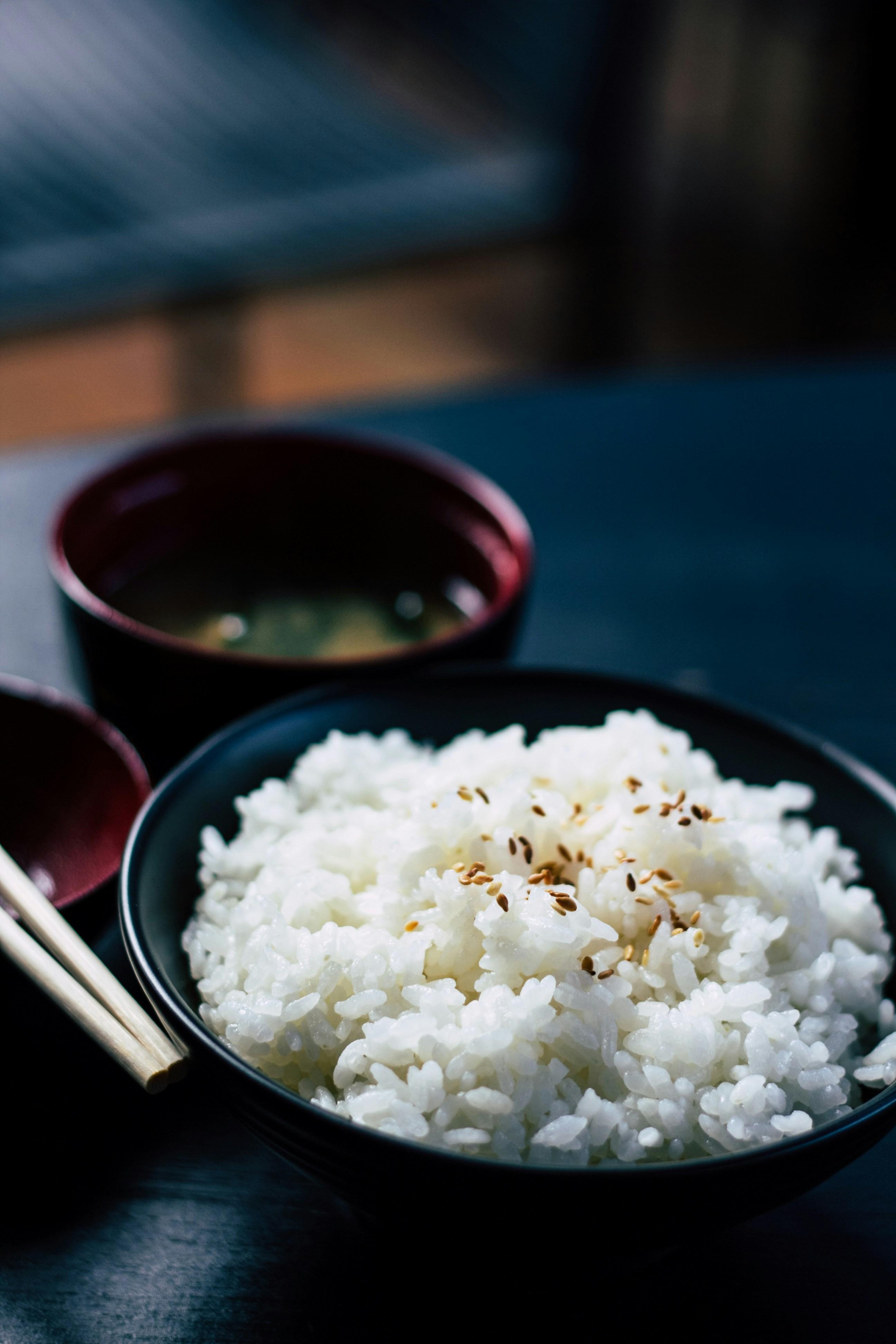
Exploring the Lifecycle of Rice from Paddy to Product
The journey of rice from lush green fields to our kitchen tables is a fascinating conversion that highlights the intricate processes involved in rice production. Once harvested, the rice grains go through various stages before they become the polished product we are familiar with. At a paddy processing plant, the rice undergoes a meticulous cleansing process to remove impurities like stones, dirt, and husks. Following this, the grains are hulled—this is where the outer shell is removed, revealing the brown rice beneath, which is then polished to enhance its appearance and shelf life. Each step is essential in ensuring that the final product not only looks appealing but also meets stringent quality standards.
After the initial processing, rice undergoes further treatment tailored to its intended market. This includes steaming, parboiling, or additional milling to achieve different textures and flavors.Key stages in this process often entail:
- Sorting and Grading: Use of advanced machinery to classify rice based on size and quality.
- Packaging: Precision-filled bags are sealed to maintain freshness and prevent contamination.
- Quality Control: Rigorous testing ensures that every batch meets international safety and quality regulations.
To visualize this transformation, the following table illustrates the key phases in rice processing:
| Phase | description |
|---|---|
| Harvesting | Collection of ripe rice grains from the fields. |
| Hulling | Removal of the outer husk to obtain brown rice. |
| Polishing | Smoothing the rice surface for better appearance. |
| Quality Control | Tests to ensure product meets safety standards. |
| Packaging | Final sealing of rice to preserve freshness. |
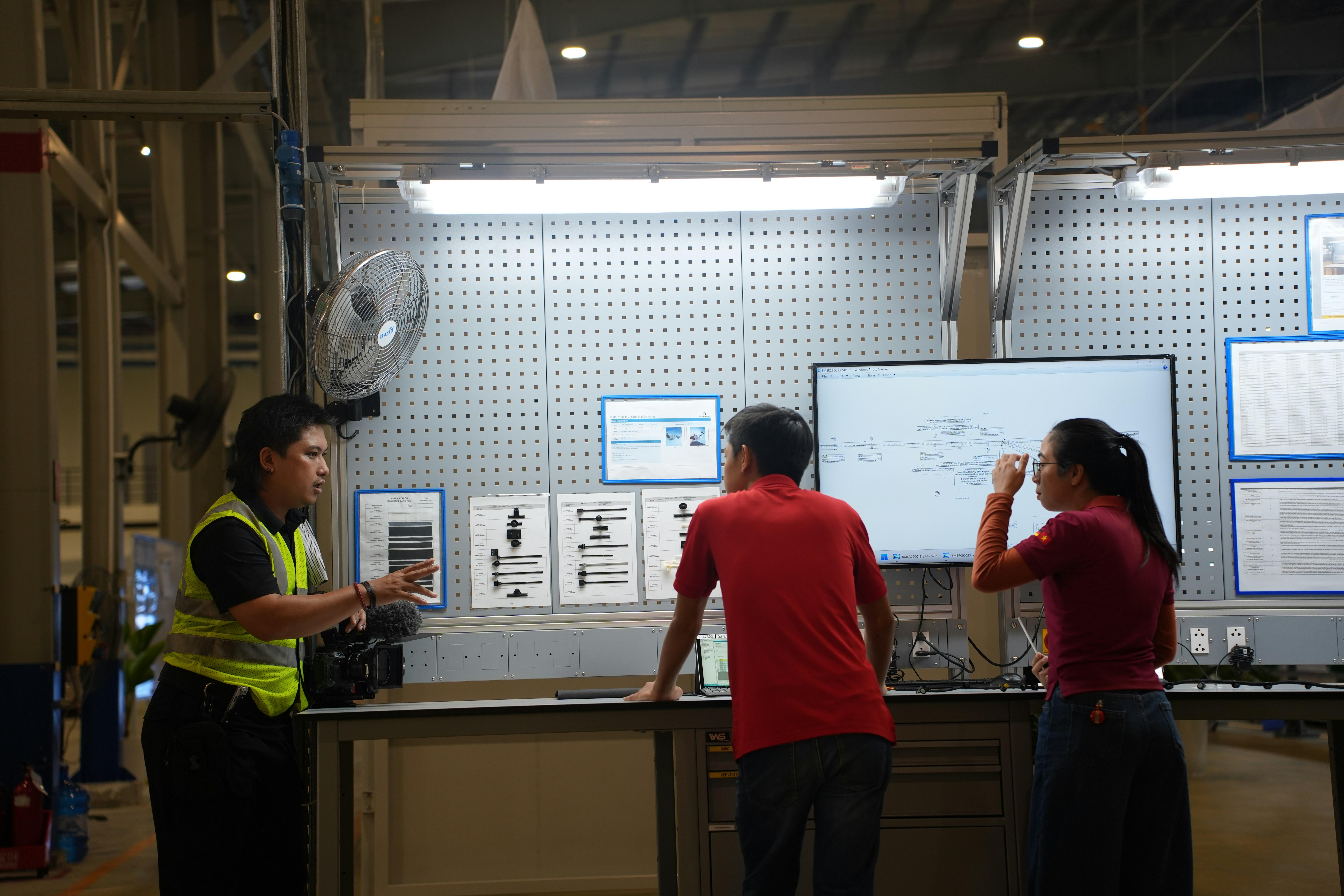
Innovative Techniques in Milling and Processing Efficiency
Advancements in milling technology have dramatically transformed the efficiency and quality of rice processing. Modern paddy processing plants employ cutting-edge equipment designed to optimize every stage of production. Key innovations include:
- Laser Sorters: These devices utilize light frequency to identify and remove impurities, ensuring only the highest quality grains proceed down the production line.
- Ultrasonics: Incorporating ultrasonic technology enhances the extraction of brown rice from husks with minimal damage, thus improving overall yield.
- Automated systems: Advanced automation systems streamline operations, reduce labor costs, and provide real-time monitoring for immediate adjustments.
Additionally, the implementation of data analytics and IoT (Internet of Things) within these facilities allows for a extensive understanding of processing metrics. This data-driven approach leads to better decision-making and fosters continuous improvement in milling practices. Consider the following benefits:
| Benefit | Description |
|---|---|
| Increased Yield | Enhanced processes lead to higher extraction rates and reduced wasted resources. |
| Improved Quality | Strict quality control mechanisms ensure the output meets consumer standards. |
Quality Control Measures that Ensure Excellence in Rice Production
From the moment paddy arrives at the processing plant, quality control plays a critical role in maintaining and enhancing the inherent qualities of rice. Every batch undergoes rigorous visual inspections to detect impurities and foreign materials,ensuring that only the best kernels make it through to the next stages. Advanced technology is employed, including optical sorting machines, which utilize sophisticated algorithms to differentiate and remove defective grains, guaranteeing uniformity in quality. Furthermore, hydration testing is conducted, measuring moisture levels to reduce the risk of spoilage during storage and transport.
As the rice transitions through various processing stages, additional quality checks are implemented. The milling process, such as, relies on continuous grain sampling to assess the effectiveness of hull removal and kernel whitening, striking a balance between quality and yield. The final product is also subjected to sensory evaluations,where trained panels taste,smell,and assess the texture of rice samples to ensure they meet consumer expectations. Each stage features data logging to carefully track quality metrics over time, providing valuable insights for ongoing improvements in rice production.
Sustainability Practices for a Greener Rice Processing Industry
As the demand for environmentally responsible rice processing grows,numerous sustainability practices are being implemented within paddy processing plants. These facilities now prioritize energy efficiency, utilizing state-of-the-art machinery that minimizes energy consumption. Advanced technologies, such as solar panels and biomass boilers, help reduce reliance on fossil fuels. Furthermore,the adoption of water conservation techniques,including rainwater harvesting and recycling systems,is becoming more prevalent,ensuring that water usage is reduced without compromising quality.
In addition to energy and water conservation,paddy processing plants are focusing on minimizing waste through innovative practices. Byproducts from rice milling, such as husks and bran, are being repurposed for various sustainable applications. Some facilities convert rice husks into biofuel or organic fertilizers, while bran is processed into nutritional supplements and animal feed. The integration of closed-loop systems further enhances sustainability by converting waste into valuable resources, thereby reducing the environmental footprint. Here’s a brief overview of these transformative practices:
| Practice | Description |
|---|---|
| Energy Efficiency | Utilization of energy-saving machinery and renewable energy sources. |
| Water Conservation | Implementation of water recycling and rainwater harvesting techniques. |
| Waste Reduction | Conversion of byproducts into biofuels and organic fertilizers. |
| Closed-Loop Systems | Use of waste as a resource to minimize landfill impact. |
In summary
As the sun sets on the journey through the paddy processing plant, we are left with a profound recognition for the intricate transformation that rice undergoes from field to table. This humble grain, which has nourished civilizations for thousands of years, is a testament to the remarkable blend of nature and technology. Each step of the journey—from harvesting the golden paddy to the meticulous hulling and polishing processes—reveals the dedication of countless hands committed to preserving the quality and flavor of this staple food.
in the heart of the processing plant, the hum of machinery harmonizes with the rhythm of tradition, illustrating the delicate balance between innovation and heritage. It is indeed here that every grain of rice tells a story—a story of growth, labor, and transformation. As we reflect on the journey, we recognize that the future of rice processing holds even greater potential for sustainability and efficiency, ensuring that this vital crop continues to play a central role in global nutrition.
by understanding the journey of rice through the paddy processing plant, we gain not only knowledge but also respect for the countless efforts that feed our communities. The next time you savor a bowl of rice, take a moment to appreciate the journey—it is a symphony of nature, culture, and technology that enriches our plates and our lives.