
In the heart of verdant fields, where golden stalks sway gracefully under the sun, lies a story waiting to be told—a tale of transformation that begins with humble grains and culminates in the bustling world of culinary delights. “Transforming Rice: The Journey of a Paddy Processing Unit” invites readers to delve into the intricate process that elevates paddy from its raw state to the polished rice cherished on dining tables around the globe. This journey is not merely a tale of machinery and technology; it is a dance between tradition and innovation, where age-old practices meet scientific advancements. As we unravel the steps of this metamorphosis, we will explore the significance of a paddy processing unit, the challenges it faces, and its vital role in feeding an ever-growing population. Join us as we embark on an exploration that celebrates the essence of rice—tracing its path from field to fork, and highlighting the unsung heroes behind this essential staple.
The Evolution of Paddy Processing: A Closer Look at Modern Techniques
The journey of rice from paddy to plate has undergone a transformative evolution, primarily driven by the advent of modern techniques aimed at improving efficiency and quality. Today’s paddy processing units employ advanced technology that not only enhances productivity but also ensures a higher nutritional value in the final product. Key elements of these modern techniques include:
- Automated Milling Systems: Utilizing robotics and precision machinery, these systems reduce human error and increase output.
- Color Sorters: High-resolution cameras and sensors identify and remove discolored or inferior grains, ensuring a premium quality product.
- Parboiling Technology: A method that enhances the nutritional profile of rice and reduces cooking time, thus promoting healthier eating habits.
- Moisture Control: Advanced drying techniques that minimize spoilage and storage loss.
Additionally, sustainable practices have become integral in modern paddy processing, addressing both environmental concerns and market demands. Eco-friendly processing methods, such as the use of renewable energy sources and waste recycling systems, are being implemented widely. The implementation of such techniques is further illustrated in the following table:
| Technique | Benefits |
|---|---|
| Solar Drying | Reduces greenhouse gas emissions and conserves energy. |
| Water Conservation Systems | Minimizes water usage during processing, promoting sustainability. |
| Waste-to-Energy Converters | Transforms waste byproducts into energy, improving efficiency and reducing costs. |

Efficiency in Action: Optimizing Rice Production through Innovative Machinery
In the world of agriculture, the quest for productivity and sustainability has led to the emergence of groundbreaking machinery tailored specifically for rice production. By integrating cutting-edge technology with traditional farming practices, producers can significantly enhance the efficiency of paddy processing units. These advancements not only streamline operations but also reduce labor costs and minimize waste, ultimately transforming the way rice is harvested and processed. The following innovations have made profound impacts:
- Automated Harvesters: Utilizing GPS and sensor technology, these machines can detect when rice is ripe, ensuring timely and precise harvesting.
- Optical Sorters: Leveraging advanced imaging systems, these sorters quickly identify and separate impurities, ensuring high-quality output.
- Mobile Drying Systems: With the ability to efficiently dry rice without sacrificing its quality, these systems allow for better storage and reduced spoilage.
To further illustrate the influence of innovative machinery on rice production, consider the following table showcasing key improvements in processing efficiency:
| Machinery | Efficiency Gains | Impact on Production |
|---|---|---|
| Automated Harvesters | Reduced harvest time by 40% | Higher yield per acre |
| Optical Sorters | Increased sorting speed by 60% | Improved product quality |
| Mobile Drying Systems | Decreased moisture content variation by 30% | Less spoilage and waste |
These advances are reshaping the rice industry, creating a symbiotic relationship between technology and agriculture that fosters both productivity and sustainability. Embracing such innovations not only promises enhanced outcomes for farmers but also heralds a new era of food security in our ever-evolving world.
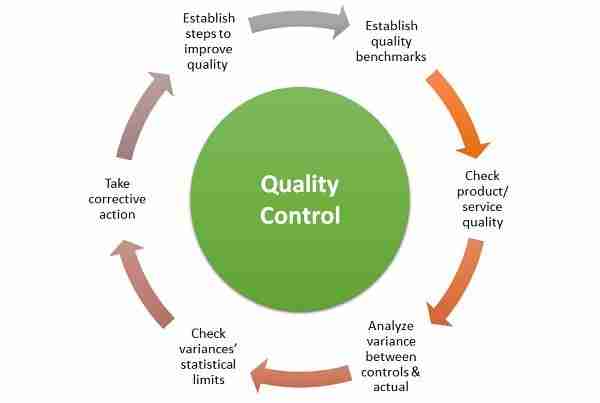
Quality Control in Rice Processing: Ensuring Excellence from Paddy to Plate
In the intricate dance of rice processing, quality control stands as a vigilant guardian, ensuring each grain is a testament to excellence. From the moment paddy arrives at the processing unit, it undergoes a meticulous series of checks that permeate every step of the journey. The first crucial phase involves the inspection of raw paddy, where multiple criteria are assessed, including moisture content, impurity levels, and overall quality. Employing technological advancements, processors utilize automated systems and manual evaluations to ensure that only the finest paddy moves forward. Throughout this stage, the focus remains on minimizing damage and maximizing the potential of the crop.
As paddy transitions from cleaning to milling, maintaining quality is paramount. Carefully calibrated machinery works in harmony to separate the husk from the edible grain, ensuring minimal breakage. Post-milling, rice undergoes a rigorous quality assessment, which includes sorting and grading based on size and whiteness. This guarantees consistency in the product that eventually graces our tables. Below is a simplified overview of the quality assurance measures:
| Stage | Quality Control Measures |
|---|---|
| Inspection | Moisture testing, impurity checks |
| Cleaning | Removal of foreign materials, dust |
| Milling | Monitored milling parameters, breakage control |
| Grading | Size sorting, whiteness measurement |
Sustainability in Focus: Implementing Eco-Friendly Practices in Rice Mills
As the world increasingly confronts the implications of climate change, rice mills are uniquely positioned to lead the charge towards sustainable agricultural practices. By adopting eco-friendly technologies, these facilities can minimize their environmental footprint. Strategies such as investing in energy-efficient machinery and implementing waste management protocols not only enhance production efficiency but also contribute to the broader sustainability goals of the industry. Additionally, integrating solar energy systems for powering operations can further reduce reliance on fossil fuels, making a tangible impact on greenhouse gas emissions.
The pursuit of sustainability extends beyond energy consumption; it also embraces resource conservation and community engagement. Mills can implement water recycling systems to effectively manage the vast quantities of water used during the milling process. Furthermore, forging partnerships with local farmers enables rice mills to promote organic farming practices, which can bolster biodiversity and soil health. Engaging in educational programs ensures that the local community is informed about sustainable agriculture, fostering a culture of environmental stewardship that resonates well beyond the mill’s walls.
In Summary
As we conclude our exploration of the transformative journey of a paddy processing unit, it’s clear that this humble grain plays a much larger role than merely filling our plates. It symbolizes a complex web of innovation, dedication, and sustainability that impacts the economy and communities at large. From the fields where sunlight kisses the golden grains to the state-of-the-art processing units that unlock their potential, each step of this journey is a testament to human ingenuity and resilience.
In an era where food security and environmental challenges loom ever larger, the evolution of rice processing is not just about efficiency; it’s about fostering a deeper understanding of our agricultural roots and the importance of sustainable practices. As we keep our eyes on the horizon, may we continue to appreciate the vital role that such transformations play in shaping a more resilient food system for generations to come. Whether it’s steamed, fried, or molded into dishes of every kind, each grain of rice carries with it the story of its journey—one that transforms not just the grain itself, but the lives intertwined with its cultivation and processing.




