
In the verdant fields where golden grains sway gently in the breeze, a remarkable journey begins—one that transforms humble paddy into the staple food that nourishes billions. The process of paddy processing is not merely a mechanical routine; it is a symphony that involves history, innovation, and the relentless pursuit of efficiency. As we dive into the world of paddy processing plants, we will unravel the intricate dance of technology and tradition that breathes life into every grain. This exploration not only highlights the evolution of processing techniques but also underscores the significance of these plants in the global food supply chain. From the clattering of machines to the rhythmic sounds of harvest, the journey of paddy from field to plate is a testament to human ingenuity and resilience, reflecting a profound connection between agriculture and community. Join us as we embark on a fascinating exploration of how paddy processing plants are transforming harvests and shaping our future food landscape.
Exploring the Role of Technology in Modern Paddy Processing
The integration of technology in paddy processing has significantly enhanced productivity and efficiency in recent years. Advanced machinery is now capable of performing multiple functions that used to be executed manually, minimizing human error and improving output quality. By employing automated milling systems, the need for extensive labor is greatly reduced, allowing workers to focus on more strategic roles within processing plants. Additionally, sensors and IoT devices monitor grain quality and moisture levels, ensuring optimal processing conditions are maintained throughout. This seamless interplay of technology not only accelerates production but also elevates the standard of the final product.
Moreover, data analytics and machine learning have emerged as game-changers in optimizing operational processes. By analyzing historical performance data, paddy processing plants can now forecast demand trends, manage inventory more effectively, and reduce waste. Similarly, traceability technologies such as blockchain enable consumers to know the origin of their rice, fostering greater trust and transparency in the supply chain. The innovative solutions being implemented paint a promising picture for the future of paddy processing, as plants increasingly leverage technology to become more sustainable and responsive to market needs.
Sustainable Practices in Paddy Processing: Balancing Efficiency and Environment
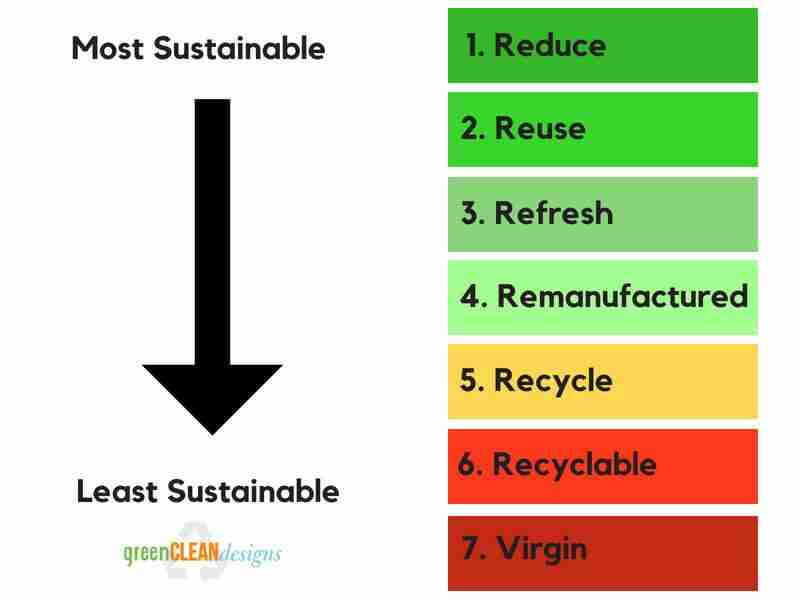
The quest for sustainable practices in paddy processing is vital as the industry seeks to harmonize productivity with environmental stewardship. Efficient paddy processing plants are now embracing innovative technologies and methodologies that minimize waste, reduce energy consumption, and promote ecosystem health. Among the key strategies employed are:
- Water Conservation: Implementing advanced irrigation techniques and wastewater recycling processes helps in reducing water use dramatically.
- Biomass Utilization: Utilizing husk and straw as biomass for energy production is a great way to decrease reliance on fossil fuels.
- Organic Certification: Adopting organic farming practices ensures that the grains produced are free from harmful pesticides, thus protecting local biodiversity.
- Solar Energy Integration: Solar panels are increasingly being installed in processing facilities to power machinery, contributing to lower carbon footprints.
As processing plants evolve, it’s important to track their sustainability metrics to ensure progress is being made. The following table illustrates the comparison of traditional and modern processing methods regarding their energy use and waste generation:
| Processing Method | Energy Use (kWh/ton) | Waste Generation (kg/ton) |
|---|---|---|
| Traditional | 150 | 30 |
| Modern Sustainable | 90 | 15 |
This evolution not only promotes a healthier environment but also ensures that paddy processing remains economically viable. By adopting sustainable practices, the industry can forge a path towards a future where productivity and ecological balance go hand in hand.

The Economic Impact of Optimized Paddy Processing on Local Communities
Optimized paddy processing is a catalyst for economic revitalization in local communities, fostering growth through various channels. By incorporating advanced technologies and efficient practices, paddy processing plants elevate the quality of rice while simultaneously reducing waste, resulting in *higher yields* and *lower costs*. This transformation not only benefits the producers but also enables the community to enjoy a selection of superior rice products. With increased production efficiency, local farmers can engage in additional activities such as agritourism and farm-to-table initiatives, further diversifying their income sources.
The economic ripple effect of enhanced paddy processing extends to job creation and skill development. Local labor is employed not just in processing plants but also in the ancillary supply chain, which includes, but is not limited to, transportation, storage, and distribution. As a consequence, communities experience significant benefits through:
- Increased Employment Opportunities: More jobs lead to economic stability.
- Skill Enhancement: Workers receive training, boosting their employability.
- Local Business Growth: Increased demand for services and products stimulates the local economy.
Furthermore, the optimized process encourages the development of infrastructure, such as roads and storage facilities, which are vital for both paddy processing and other agricultural products. Below is a simple overview of the local economic benefits derived from optimized paddy processing:
| Benefit | Description |
|---|---|
| Revenue Growth | Increase in local farmers’ earnings through better pricing. |
| Community Investment | More funds available for local initiatives and infrastructure. |
| Increased Food Security | Availability of quality rice products locally ensures access. |
Future Trends in Paddy Processing: Innovations Shaping the Industry
The evolution of paddy processing is entering an exciting phase, characterized by a wave of cutting-edge technologies designed to enhance efficiency and sustainability. Smart farming techniques, including the use of IoT sensors and drones, are revolutionizing how rice is cultivated and monitored. These technologies enable farmers to gather essential data about soil moisture and crop health, facilitating optimal harvest time and minimizing waste. Furthermore, innovations in automated processing machinery are streamlining operations, reducing labor dependency, and ensuring consistent product quality. As a result, plants are experiencing a transformation that not only boosts output but also adheres to environmentally friendly practices.
In addition to technological advancements, the industry is also witnessing a shift towards value-added processing. This approach moves beyond basic milling to include the production of premium rice products, such as organic or fortified options that cater to evolving consumer preferences. Processing facilities are increasingly adopting renewable energy sources such as solar and biogas to power their operations, leading to a significant reduction in their carbon footprint. With these strides, paddy processing is not merely an industry—it’s becoming a pivotal part of a sustainable agricultural landscape. As processing practices continue to innovate, the possibilities for enhancing product value and minimizing environmental impact are virtually limitless.
The Conclusion
As the sun sets over the lush green fields, where golden grains stand tall, the journey of paddy doesn’t end with the harvest. Instead, it embarks on a transformational voyage, guided by the intricate processes of paddy processing plants. Through innovation and tradition, these facilities not only elevate the humble grain into staple food sources but also empower communities, enhance economies, and contribute to sustainable practices.
In this narrative of growth and change, we witness the synergy between technology and agriculture, where machinery hums in harmony with nature’s rhythms, and skilled hands shape the future of food security. From the earliest stages of drying and milling to the final packaging of rice, the processing plants weave a complex tapestry that connects farmers, consumers, and the environment.
As we reflect on the journey of paddy from field to fork, we recognize that each grain carries with it stories of hard work, collaboration, and innovation. The transformation of harvest is not merely a process; it is a testament to our ability to respect tradition while embracing progress. In understanding this journey, we are reminded of our role in sustaining the vital resources that nourish our world. And as we savor each bite of rice, let us ponder the rich tapestry of efforts that brought it to our table, celebrating not just the finished product, but the journey behind it.




