
Transforming Harvest: An Insight into Paddy Processing Units
In the heart of rural landscapes, where golden fields sway under the gentle caress of the wind, lies a vital journey of transformation—one that breathes life into the humble grain of paddy. From the moment the crop is harvested to the time it graces our tables, paddy undergoes a meticulous metamorphosis within processing units, where ancient traditions blend with modern technology. This article delves into the intricate world of paddy processing, exploring the various stages involved, the innovations at play, and the impact on communities and economies alike. Join us as we unravel the story behind this essential agricultural undertaking, shedding light on how these units not only enhance food security but also foster sustainability and growth in the ever-evolving landscape of the agricultural industry.
The Journey from Field to Bowl: Understanding the Paddy Processing Workflow
Harvesting paddy is just the beginning of a fascinating journey that transforms grains into the staple we enjoy in our meals. After careful collection from the fields, the first step in the processing workflow is threshing, where the grains are separated from the stalks using specialized machinery. Once this step is complete, the grains undergo drying to reduce moisture content, ensuring they are not susceptible to spoilage. Following drying, the grains are meticulously sorted to eliminate any impurities or foreign materials.
Next comes milling, a critical phase where the brown rice is polished to produce the white rice most commonly consumed. This process can be divided into various stages, primarily involving hulling, where the outer husk is removed, and milling itself, which polishes the grain. To illustrate this workflow, here is a brief overview of the major stages involved:
| Stage | Description |
|---|---|
| Harvesting | Collection of paddy from fields. |
| Threshing | Separation of grains from stalks. |
| Drying | Reducing moisture to prevent spoilage. |
| Milling | Processing to transform brown rice into white rice. |
This intricate workflow not only ensures the production of high-quality rice but also emphasizes the importance of technology and traditional methods in achieving a seamless transition from field to bowl. At each stage, various checks and balances are in place to enhance quality and efficiency, ultimately contributing to the food security and economy of communities reliant on rice cultivation.
Innovative Technologies in Paddy Processing: Enhancing Efficiency and Quality
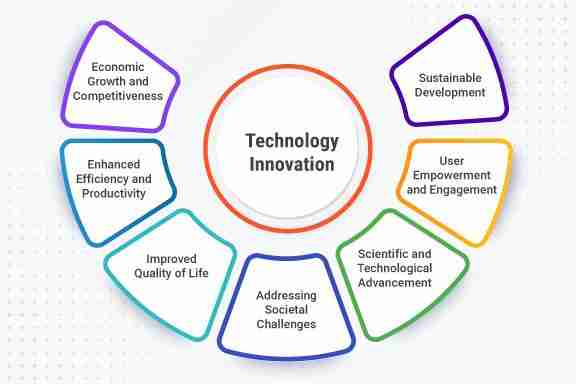
In the quest for increased productivity, paddy processing units are embracing cutting-edge technologies that revolutionize the way rice is harvested and processed. Advanced machinery equipped with automated systems and artificial intelligence is streamlining operations, significantly reducing labor costs while enhancing precision. Optical sorting machines, for instance, meticulously identify and remove impurities, ensuring that only the highest quality grains make it to market. Moreover, integrated moisture measurement tools facilitate real-time monitoring, allowing processors to optimize drying times and minimize post-harvest losses.
Furthermore, the adoption of sensor-based technology is paving the way for smarter processing units. These sensors monitor various parameters throughout the processing phase, from temperature control to grain quality. The result is a more consistent final product, meeting stringent quality standards. An added advantage is the advent of blockchain technology which provides transparent traceability from paddy fields to consumers, building trust and promoting sustainable practices. Below is a summary of some key innovative technologies reshaping the landscape of paddy processing:
| Technology | Benefits |
|---|---|
| Optical Sorting Machines | Enhances quality by removing contaminants and grading grains effectively. |
| Moisture Measurement Tools | Reduces losses by optimizing drying processes in real-time. |
| Sensor-Based Technology | Ensures consistency in processing, monitoring quality parameters. |
| Blockchain Technology | Increases transparency by providing traceability across the supply chain. |
Sustainability in Practice: Eco-Friendly Practices for Modern Processing Units
In the quest for eco-friendliness within paddy processing units, several sustainable practices have emerged that not only reduce the carbon footprint but also enhance efficiency. One vital approach is the adoption of renewable energy sources, such as solar panels and biomass energy, which can significantly lower reliance on fossil fuels. By implementing these technologies, processing units can harness natural energy for their operational needs, reducing greenhouse gas emissions while lowering energy costs. Other practices include:
- Water recycling systems: Capturing and treating wastewater for reuse in processing minimizes freshwater consumption.
- Waste valorization: Converting by-products such as husks and straw into organic fertilizers or biofuels adds value and reduces landfill waste.
- Eco-friendly packaging: Using biodegradable or recyclable materials for packaging supports a circular economy and reduces plastic pollution.
Moreover, sustainable practices extend to workforce engagement through training and awareness programs that emphasize the importance of eco-friendly methods. Integrating precision farming technologies ensures that resources such as seeds, fertilizers, and pesticides are utilized efficiently, leading to reduced overuse and environmental harm. Consider the following initiatives:
| Initiative | Description |
|---|---|
| Soil Health Monitoring | Regularly testing soil to guide effective fertilizer application, preserving soil integrity. |
| Integrated Pest Management | Using biological control and resistant varieties to manage pest populations sustainably. |
| Community Engagement | Involving local communities in sustainable practices fosters a culture of environmental stewardship. |
By prioritizing these eco-friendly practices, paddy processing units not only increase their operational efficiency but also contribute positively to their surrounding ecosystems, setting a standard for sustainability in agriculture. The synergy between technology and nature in these units paves the way for a greener future, where profit and planet can coexist harmoniously.
Maximizing Profitability: Strategic Recommendations for Rice Producers and Processors
For rice producers and processors seeking to enhance their profitability, integrating advanced technologies and sustainable practices into their operations is essential. By harnessing the latest innovations such as precision agriculture tools and smart sensors, farmers can optimize their crop yields while minimizing waste. Additionally, employing sustainable farming techniques like crop rotation and organic pest control can lead to healthier soil and improved crop robustness. This not only results in better quality rice but also attracts a growing market segment looking for eco-friendly products.
On the processing side, rice mills can significantly enhance efficiency and profitability by investing in state-of-the-art machinery and automation. Key strategies include:
- Streamlining Operations: Implement lean manufacturing principles to reduce waste and increase throughput.
- Diversification: Expand product lines to include value-added goods such as rice flour and packaged ready-to-cook meals.
- Quality Control: Establish rigorous quality standards to ensure that the final product meets consumer expectations.
- Market Analysis: Conduct regular assessments of market trends to stay ahead of consumer preferences and adjust production accordingly.
| Technology Investment | Expected Outcome |
|---|---|
| Automated Sorting Systems | Higher quality assurance with reduced labor costs. |
| Energy-Efficient Dryers | Lower energy consumption and reduced operational costs. |
| Data Analytics Software | Informed decision-making leading to enhanced yield predictions. |
Closing Remarks
As we conclude our exploration of the transformative journey within paddy processing units, it becomes clear that this intricate system not only nourishes our bodies but also cultivates sustainable practices that benefit both farmers and consumers. From the field to the processing plant, and eventually to our tables, each stage is a testament to the blend of tradition and innovation.
In a world increasingly shaped by technological advancements, the evolution of paddy processing serves as a beacon of how we can harmonize age-old techniques with modern methodologies. As we move forward, the insights gained from these processing units will undoubtedly play a pivotal role in enhancing food security, promoting economic growth, and ensuring a more sustainable future for agriculture.
With this understanding, we invite you to reflect on the significance of paddy processing in your own lives, appreciating the effort that goes into every grain of rice you encounter. As we continue to seek progress, let us cherish the transformations that drive our agricultural systems towards a more efficient, equitable, and environmentally friendly horizon. Thank you for joining us on this informative journey; may it inspire a deeper appreciation for the role of paddy processing in our global food landscape.




