Title: Transforming Grain: The essential Role of Paddy Processing Plants
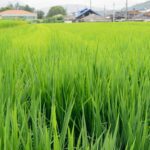
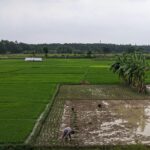
In the lush, verdant landscapes where rice paddies stretch toward the horizon, a silent conversion takes place – one that shapes not only what we eat but how entire communities thrive. Paddy processing plants, often overlooked in the grand narrative of agricultural production, are the unsung heroes in the journey from golden grains to the staple foods that grace our tables.As the world grapples with the challenges of food security, sustainability, and economic resilience, these facilities stand at the intersection of tradition and technology, playing an indispensable role in turning raw paddy into a vital resource. This article delves into the intricate processes, innovations, and impacts of paddy processing plants, highlighting how they contribute not only to the global food system but also to the livelihoods of millions. Join us as we explore the essential transformations that take place within these bustling hubs of activity, revealing the intricacies that lie behind each grain of rice.
The Journey from Field to Table: Understanding the Paddy Processing Cycle
The transformation of paddy into rice is an intricate journey that begins in lush green fields and culminates on our dining tables. After the harvest, paddy undergoes a series of meticulously planned stages before it emerges as the rice we are familiar with. Key steps in this cycle include:
- Drying: Freshly harvested paddy must be dried to reduce its moisture content, preventing spoilage and ensuring optimal storage.
- Hulling: The outer husk is removed,revealing the brown rice inside,a process that retains its nutritional value.
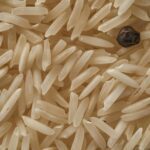
- Milling: This stage refines the brown rice by removing the bran layer, producing the polished white rice that many prefer.
- Grading: The processed rice is sorted based on quality, size, and color, ensuring consumers receive premium products.
Each of these processing stages takes place within state-of-the-art paddy processing plants, equipped with advanced technology that maximizes efficiency and minimizes waste. These facilities employ skilled workers who understand the nuances of rice production, ensuring that each batch meets rigorous quality standards. The relationship between farmers and processors is crucial, as it facilitates the seamless movement of grain from rural agricultural zones to urban markets, highlighting the interconnectedness of our food systems.
| Stage of Processing | Description |
|---|---|
| Drying | Reduces moisture to prevent spoilage. |
| Hulling | Removes protective husk to reveal brown rice. |
| Milling | Refines brown rice into polished white rice. |
| Grading | Sorts rice by quality, size, and color. |

Enhancing Quality and Nutrition: Innovations in Grain Processing techniques
The evolution of grain processing techniques has significantly improved the quality and nutritional value of rice and other grains. At the heart of this transformation is the advent of advanced machinery and technology in paddy processing plants. These facilities are equipped with state-of-the-art milling machines that not only enhance the extraction of nutrients from rice but also minimize waste. The following innovations exemplify this progress:
- Optical Sorting: Using advanced imaging technology, grains can be sorted based on size, shape, and color, eliminating impurities and enhancing overall quality.
- Hydrothermal Treatment: This process enhances the nutritional profile of rice by increasing digestibility and bioavailability of essential minerals.
- Enrichment Techniques: Nutritional additives can be seamlessly integrated during processing to fortify rice with vitamins and minerals, addressing global nutritional deficiencies.
Along with the technological advancements, sustainable practices in paddy processing are gaining prominence, further influencing the quality of grains delivered to consumers. By implementing eco-friendly methods and reducing energy consumption, paddy processing plants are not only contributing to sustainability but are also producing cleaner grains. Consider the following practices:
| Practice | Benefit |
|---|---|
| Water Recycling | Reduces wastewater, conserving a valuable resource. |
| Use of Renewable Energy | Lowers carbon footprint, making processes more environmentally friendly. |
| waste Utilization | Converts by-products into energy or animal feed, minimizing waste. |
Sustainability in action: Eco-Friendly Practices for Modern Paddy Processing
As the world grapples with the implications of climate change, paddy processing plants are emerging as unassuming heroes in the quest for sustainability. These facilities are adopting a range of eco-friendly practices that not only reduce their environmental footprint but also enhance the quality of their output. Among the initiatives leading the charge are:
- Energy Efficiency: Implementing energy-efficient machinery and technology to minimize electricity consumption.
- Water conservation: Recycling and purifying water used in the milling process to reduce waste and usage.
- Waste Reduction: Utilizing byproducts like husks and bran for bioenergy production, transforming waste into valuable resources.
- Organic Certifications: Sourcing organic paddy to promote sustainable farming practices among local farmers.
Moreover, paddy processing plants are embracing innovative renewable energy solutions to power their operations. This transition is not just about cleaner energy; it also shapes a circular economy model where sustainability is woven into the fabric of production. A quick glance at some of these energy strategies reveals:
| Energy source | Benefits |
|---|---|
| Solar Power | Reduces dependence on fossil fuels, lowers operational costs |
| Biogas | Utilizes waste to generate energy, minimizes landfill use |
| Wind Energy | Provides a consistent energy supply, supports local ecosystems |
These evolving practices demonstrate the industry’s commitment to not only enhance productivity but also to protect and preserve the natural environment, ensuring that the cycle of growth continues sustainably for generations to come.
Community Impact and Economic Growth: The Role of Processing Plants in Local Development
Paddy processing plants serve as vital engines for local development, significantly contributing to both community well-being and economic vitality. By establishing these facilities, regions can transform harvested paddy into value-added products that enhance both quality and marketability.This transformation leads to increased employment opportunities, as plants require a skilled workforce for operations ranging from sorting to packaging. The following are key contributions of paddy processing plants to local communities:
- job Creation: Direct employment in processing plants and indirect jobs in logistics and retail.
- Skill Development: Training programs and workshops that enhance the skill set of the local workforce.
- Infrastructure Improvement: Investment in roads, transportation, and utilities to support processing operations.
- Support for local Farmers: Establishing stable markets for paddy, ensuring fair prices for growers.
The economic impact of such plants is compounded by their ripple effects on ancillary businesses and services. as processing plants flourish, they stimulate demand for local goods and services, including transportation, maintenance, and retail. Regional farmers benefit from steady sales and increased income, facilitating their ability to reinvest in their operations and enhancing agricultural productivity. Below is a simple overview of the economic contributions:
| Economic Contribution | Impact |
|---|---|
| Increased Employment | 500+ jobs created locally |
| Income Generation | 20% increase in farmer income |
| Infrastructure Investment | $1 million invested in roads and utilities |
In Conclusion
In the intricate dance of agriculture,paddy processing plants stand as unsung heroes,transforming humble grains into vital staples that nourish populations worldwide.Through their advanced techniques and unwavering dedication, these facilities not only enhance the quality and safety of rice but also optimize the entire supply chain, bridging the gap between farmers and consumers. As we unravel the layers of this essential industry, it becomes clear that investing in and supporting paddy processing plants is not merely a matter of economic growth; it’s a commitment to food security, sustainability, and the future of agriculture itself.As we look ahead, let us recognize the profound impact these plants have on our plates, our communities, and the planet—an intricate web of transformation that begins with one simple grain.