
Inside the Paddy Processing Factory: Where Grain Meets Grain
Nestled in the heart of fertile landscapes, where lush green fields sway gently in the breeze, lies a bustling hub of activity—the paddy processing factory. Here, amidst the rhythm of machinery and the whiff of earthy grains, the journey from field to fork takes a transformative turn. This article invites you to step inside the factory’s bustling interior, where tradition and technology converge to breathe life into the humble paddy. Witness the intricate dance between countless grains as they traverse through a labyrinth of processes—hulled, milled, polished, and packaged. We explore how each phase not only preserves the integrity of the grain but also fosters a connection between farmers, consumers, and the food that nourishes us. Join us on an exploration of this vital industry, where hard work and innovation intertwine to shape the world of rice we know today.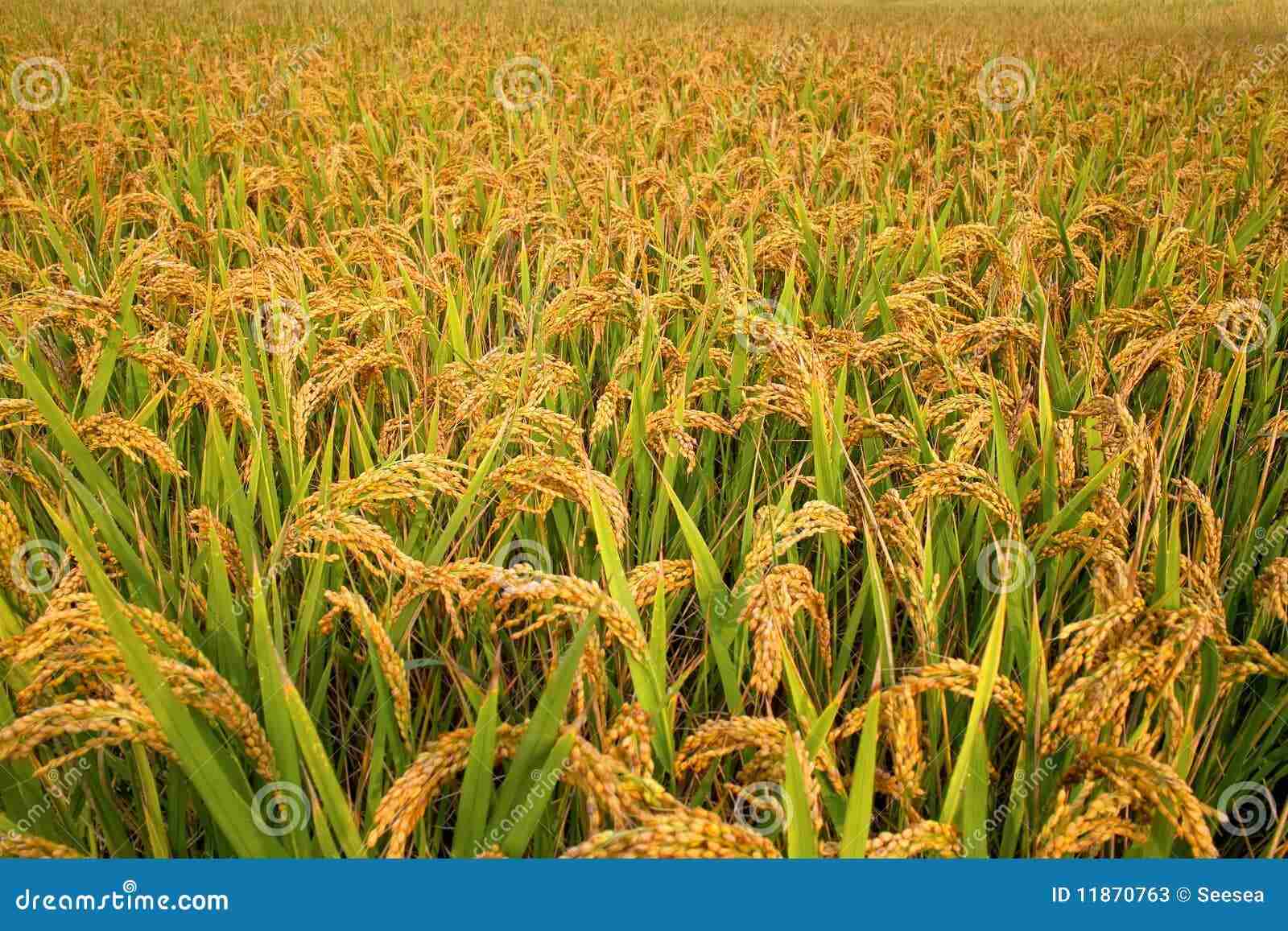
Exploring the Journey of Paddy: From Field to Factory
The journey of paddy begins long before it reaches the processing factory, steeped in tradition and agriculture. Farmers, equipped with their tools, tenderly cultivate the lush green fields, nurturing each seedling to maturity. This process involves several key steps:
- Preparation of Land: Plowing, leveling, and fertilizing the soil to ensure optimal growth.
- Sowing Seeds: Planting the rice seeds, often using traditional methods that have been handed down through generations.
- Irrigation: Managing water levels carefully to support the plants while preventing disease.
- Harvesting: A labor-intensive process that requires skill to gather the rice at the right moment for peak quality.
Once harvested, the paddy grain embarks on a new chapter as it enters the processing factory. Here, a symphony of technology and labor converges to transform raw paddy into market-ready rice. Each step is crucial in ensuring quality and safety, including:
- Drying: Reducing moisture content to preserve freshness and prevent spoilage.
- Milling: The process of removing husks, bran, and polishing the grain to achieve the desired texture.
- Grading: Sorting the rice based on size and quality to meet the varying demands of consumers.

The Science of Paddy Processing: Techniques and Technologies
Paddy processing is a meticulous journey that transforms rough harvested rice into the polished grains ready for culinary delights. Within the factory, the science of separation and refinement unfolds through a series of meticulous stages. Cleaning, the first phase, purifies the grain from extraneous materials like husk, stones, and dirt. Next, the dehusking process removes the outer hull, unveiling the brown rice beneath. This is followed by the intricate stages of whitening and grading, where the textures and sizes are refined. The avant-garde machinery employs techniques like air suction and sieving, ensuring only grains of the highest quality make the cut, while preserving nutrients essential for health.
The technology employed in paddy processing has evolved considerably, with modern factories utilizing state-of-the-art equipment that maximizes efficiency. Here’s a glimpse into some of the key techniques and their corresponding technologies:
| Technique | Technology |
|---|---|
| Cleaning | Vibration and Air Screen Separators |
| Dehusking | Modern Husking Machines |
| Whitening | Stainless Steel Whitener |
| Grading | Electronic Color Sorters |
Upon completion of these stages, the rice undergoes packaging, which employs advanced automation, ensuring freshness and preventing contamination. The meticulous detail involved throughout paddy processing not only underscores its significance within the agricultural industry but also highlights the interplay of science and technology in enhancing food quality. Each grain carries with it the composites of a robust processing journey, all driven by the principles of modern engineering and time-honored agricultural practices.

Quality Control in Paddy Processing: Ensuring Excellence at Every Step
In the intricate world of paddy processing, maintaining high standards is paramount for ensuring that every grain that leaves the factory is of superior quality. Workers are meticulously trained to uphold rigorous quality control protocols, monitoring each stage of production to guarantee that the raw and finished products meet or exceed industry standards. This attention to detail involves:
- Visual Inspections: Trained specialists perform regular visual checks to identify any impurities or defects in the grain.
- Moisture Testing: Advanced instruments measure moisture content to prevent spoilage and ensure optimal storage conditions.
- Sample Sampling: Randomly selected samples from batches are tested for quality, allowing for ongoing assessments and adjustments.
Moreover, to elevate the processing standards, several critical metrics are tracked throughout the workflow. Utilizing a comprehensive quality management system, the factory can maintain transparency and consistency. Below is a simplified overview of the key performance indicators monitored:
| Metric | Description | Target Value |
|---|---|---|
| Grain Purity | Percentage of unblemished grains in the final product. | ≥ 95% |
| Moisture Content | Optimal moisture percentage for storage. | 13-15% |
| Packaging Integrity | Ensures that packaging seals are unbroken for freshness. | 100% |
Sustainable Practices in the Paddy Industry: Striving for Eco-Friendly Solutions
As the world moves towards greater environmental consciousness, the paddy industry is also embracing eco-friendly practices that seek to minimize its ecological footprint. At the heart of the paddy processing factory, innovative methods are being introduced, not just to improve efficiency, but to ensure sustainability in every step of the journey. Water management takes center stage, with systems designed to recycle water during milling and polishing processes, significantly reducing waste while maintaining optimal quality. Additionally, modern energy-efficient machines are gradually replacing older models, which results in lower carbon emissions and a reduced energy footprint.
Furthermore, the industry is increasingly recognizing the importance of biological pest control over conventional chemical methods. Using natural predators and organic fertilizers not only boosts paddy yield but also preserves soil health and local ecosystems. To add structure to these practices, many factories are implementing certification programs that promote sustainable farming methods and transparency in sourcing. Here are some key practices being adopted:
- Organic Fertilization: Utilizing compost and manure to enrich soil.
- Integrated Pest Management: Combining biological, cultural, and mechanical control methods.
- Water Conservation Techniques: Implementing drip irrigation and rainwater harvesting systems.
The commitment to sustainability is also reflected in the partnerships formed with local farmers. By promoting crop rotation and polyculture, these initiatives not only enhance biodiversity but also ensure the resilience of the paddy crop against climate variability. The collaborative efforts are yielding benefits that extend beyond the factory gates, fostering a community-centric approach to agriculture. A table highlighting some of these collaborative initiatives is featured below:
| Initiative | Description | Impact |
|---|---|---|
| Farmer Training Programs | Workshops to educate on sustainable practices. | Increased awareness and adoption of eco-friendly techniques. |
| Crop Diversification | Encouraging farmers to plant multiple crops. | Improved soil health and pest resistance. |
| Community Seed Banks | Preserving indigenous varieties for future use. | Enhanced genetic diversity and resilience. |
Wrapping Up
As we step away from the heart of the paddy processing factory, we leave behind a world where grain transforms in both essence and purpose. This intricate dance of technology and tradition doesn’t just nourish bodies; it connects communities and sustains cultures. From the rhythmic hum of the processing machines to the careful hands sorting the gleaming grains, every element plays a vital role in a journey that begins in the lush fields and culminates in our kitchens.
Here, we have explored not just a process, but a testament to human ingenuity and resilience. The factory stands as a bridge between nature’s bounty and our everyday lives, reminding us of the stories woven into each grain that passes through its doors. As we reflect on the interconnectedness of these processes, may we carry with us a deeper appreciation for the journey of food, acknowledging the labor, innovation, and care that transforms humble paddy into staples that feed millions.
In every bite, there lies a narrative of ancestry, culture, and sustainability—the true essence of where grain meets grain. As we conclude our exploration, let us celebrate this vital link in our global food system and the dedicated individuals who make it all possible. The next time you savor a bowl of rice or a delicious dish made from it, remember the factory’s pulse and the journey from field to table.




