
Inside the Paddy Processing Factory: Grain to Gourmet Journey
In a world where the journey from farm to table often remains hidden behind culinary delights, there lies a silent yet bustling hub of transformation—the paddy processing factory. Here, in the heart of this industrial landscape, the humble grain undergoes a remarkable metamorphosis, evolving from its raw, earthy beginnings into a staple that graces tables across the globe. This article invites you to take a closer look at the intricate processes and remarkable technologies that orchestrate this journey, revealing how each carefully calibrated step contributes not just to the efficiency of production, but also to the quality of the gourmet dishes we enjoy. Join us as we peel back the layers of this fascinating world, exploring the delicate balance of tradition and innovation that defines the journey of paddy from the fields to the forefront of cuisine.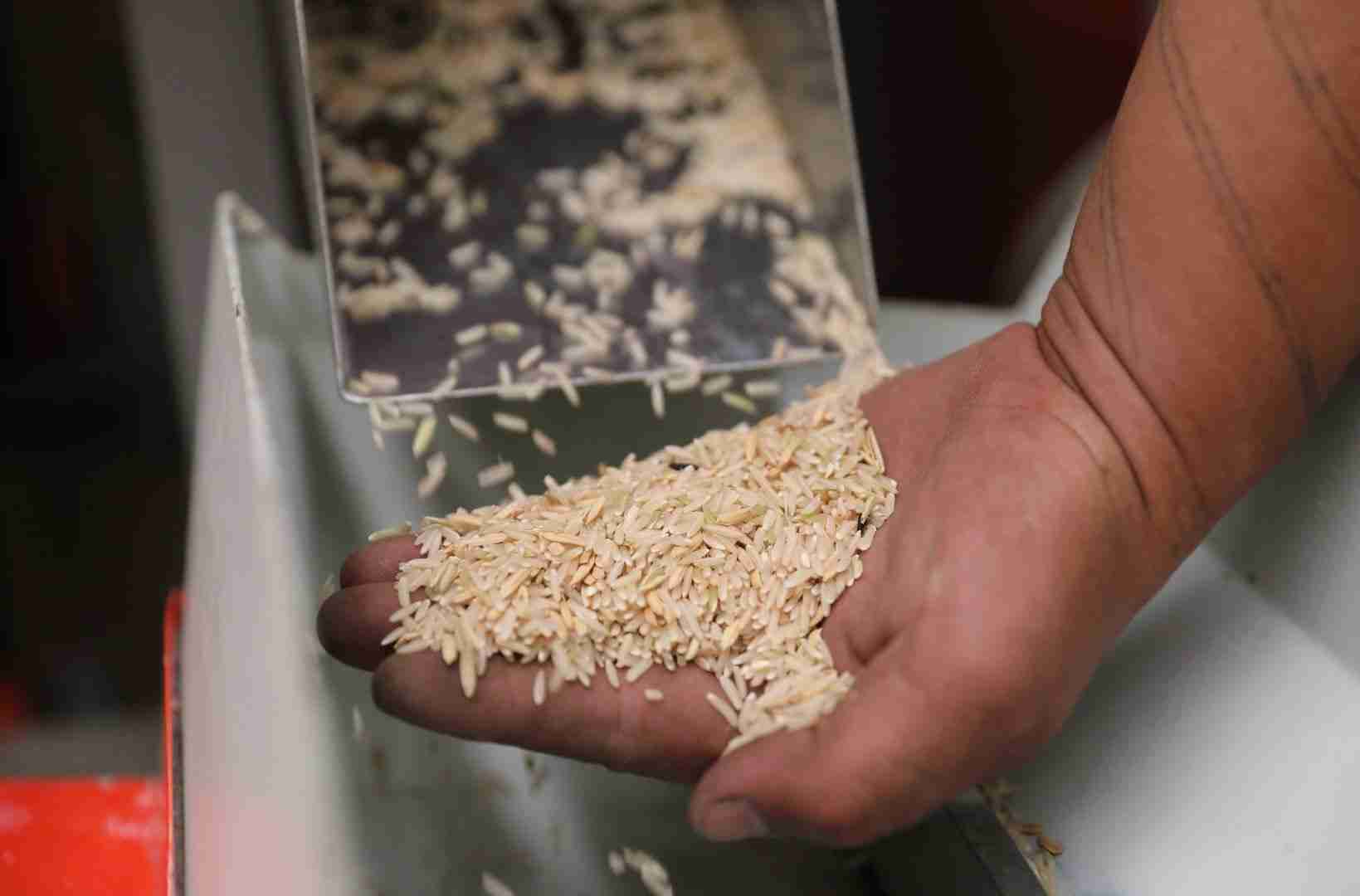
Exploring the Anatomy of Paddy Processing: From Harvest to Milling
Paddy processing is a captivating journey that transforms raw grains into the polished rice products we savor daily. Starting with the harvest, farmers carefully collect the ripened paddy, ensuring optimal quality and minimal damage. Once gathered, the grains undergo threshing, where they are separated from the husk, preparing them for the subsequent steps of milling. This is followed by drying, an essential phase that reduces moisture content, preventing spoilage. Each stage is meticulously designed to preserve the integrity of the grain, allowing for a smoother transition to the next phase in the process.
After drying, the paddy is transported to the milling facility, where the grains receive the final touches that define their quality. During milling, the husk and bran layers are removed, giving rise to the white rice we commonly recognize. This process involves several key steps:
- Polishing: The brown rice is then polished to eliminate bran layers.
- Grading: A quality check ensures uniformity in size and color.
| Processing Stage | Description |
|---|---|
| Harvesting | Collecting mature paddy from the fields. |
| Threshing | Separating grains from husk. |
| Drying | Reducing moisture for storage. |
| Milling | Transforming brown rice into white rice. |
The Art of Parboiling: Enhancing Flavor and Nutritional Value
Parboiling is a transformative technique that elevates the quality of rice by enhancing both its flavor and nutritional profile. This process begins with soaking the rice grains, followed by steaming them at controlled temperatures. The steamed grains then absorb some of the nutrients from the husk, which leads to a richer taste and improved health benefits. The gentle heat and moisture help to preserve the natural flavors, making parboiled rice an excellent base for various culinary creations. Many chefs appreciate its firm texture and ability to retain individual grains when cooked, which is vital for dishes that require both visual appeal and mouthfeel.
In a bustling paddy processing factory, the art of parboiling is performed with precision, enthralling both seasoned cooks and novices alike. Throughout this process, several key elements come into play:
- Temperature Control: Maintaining ideal temperatures ensures that nutrients are locked into the grains.
- Soaking Duration: The duration of soaking is critical; it must be optimized to achieve the best results.
- Steaming Process: Careful timing during the steaming phase is vital to avoid overcooking.
- Drying Techniques: Proper drying post-parboiling prevents spoilage and enhances shelf-life.
The accompanying nutritional benefits of parboiling are impressive. The method significantly increases the amount of resistant starch, aiding in digestion and providing sustained energy release. Below is a comparison of traditional uncooked rice and parboiled rice:
| Type of Rice | Nutritional Benefits | Flavor Profile |
|---|---|---|
| Uncooked Rice | Lower in minerals, less resistant starch | Neutral |
| Parboiled Rice | Higher in minerals, more resistant starch | Nutty, firmer texture |

Quality Control in Grains: Ensuring Excellence at Every Stage
In the heart of the paddy processing factory, meticulous quality control measures are implemented to ensure that each grain meets the highest standards of excellence. This involves a comprehensive approach at every stage of processing, from pre-harvest assessments to the final packaging of the polished rice. The processing line is a well-orchestrated ballet, where grains are subjected to a series of inspections, each designed to eliminate impurities and enhance quality. Key processes include:
- Visual Inspections: Trained personnel conduct thorough visual checks, identifying and removing defective grains and foreign materials.
- Moisture Testing: Advanced moisture meters ensure that grains are at the optimal moisture level for storage and processing, preventing spoilage and quality degradation.
- Grading: Specialized equipment categorizes grains based on size and quality, establishing the foundation for uniformity in the finished product.
- Laboratory Analysis: Samples are sent to laboratories where they undergo rigorous chemical and nutritional testing, ensuring compliance with health and safety standards.
The commitment to excellence doesn’t end at processing; packaging plays a crucial role in maintaining grain quality. The use of state-of-the-art, moisture-resistant packaging materials ensures that the grains retain their freshness during transit and storage. A simple yet effective process flow is followed to guarantee that quality is preserved until the consumer’s table. Below is a summary of the key quality control stages in a typical grain processing factory:
| Quality Control Stage | Description |
|---|---|
| Harvesting | Pre-harvest assessments of crop conditions and pest management. |
| Processing | Visual inspections, moisture control, and grading during milling. |
| Testing | Laboratory analysis for chemical and nutritional safety. |
| Packaging | Use of moisture-resistant materials to maintain quality. |
Sustainability in Paddy Processing: Innovations for a Greener Future
In recent years, the paddy processing industry has embraced a wave of innovations aimed at minimizing environmental impact while enhancing efficiency. Technologies such as heat recovery systems allow factories to capture and reuse waste heat, which can substantially lower energy consumption. Additionally, the integration of solar panels and wind turbines into the processing plants not only reduces dependency on fossil fuels but also helps in achieving energy self-sufficiency. Implementing water recycling systems has further contributed to sustainability efforts, enabling factories to use treated wastewater for irrigation or other non-potable applications, thereby conserving precious water resources.
Moreover, cutting-edge automation and smart technology in paddy processing have resulted in significant reductions in waste production and operational costs. Advanced sorting systems utilize optical sensors to identify and segregate grains based on quality and color, ensuring only the best grains reach consumers, while minimizing waste produced from inferior grains. With the emergence of biodegradable packaging materials, the journey from grain to gourmet includes an eco-conscious approach even after processing. The table below highlights some key innovations in paddy processing:
| Innovation | Benefits |
|---|---|
| Heat Recovery Systems | Reduces energy consumption |
| Solar Power Integration | Decreases carbon footprint |
| Smart Sorting Technology | Minimizes waste |
| Biodegradable Packaging | Reduces environmental pollution |
Concluding Remarks
As we conclude our exploration of the paddy processing factory, it becomes clear that the journey from grain to gourmet is not merely about transforming raw materials into meals; it is about the intricate dance of tradition, technology, and dedication. Each stage, from the careful harvesting of paddy fields to the meticulous milling and packaging, reveals a rich tapestry of craftsmanship that honors both nature and innovation.
In this bustling environment, the harmony between man and machine plays a pivotal role, ensuring that every grain is treated with the utmost respect, destined to become part of a dish that delights the palate. As consumers, we often take for granted the journey our food takes before it reaches our plates, but understanding this process enriches our appreciation of the flavors we savor.
Whether you are a culinary enthusiast, a sustainability advocate, or simply an admirer of behind-the-scenes production, the paddy processing factory stands as a testament to human ingenuity and our enduring connection to the land. As we wrap up this tantalizing expedition, let us carry forward the knowledge and reverence for the journey of our food, remembering that every bite tells a story—one that begins in the heart of the fields and ends in the warmth of our homes.




