
From Grain to Goodness: The Journey of Paddy Processing
In the heart of lush green fields, where the sun rises to kiss the dew-drenched rice plants, a remarkable journey begins. The transformation of paddy, a vital staple for billions of people, is a testament to both nature’s bounty and human ingenuity. What starts as a simple grain undergoes a meticulous process—from harvesting the ripe ears of rice to the delicate stages of drying, milling, and packaging—each step plays a crucial role in delivering this cherished food to our tables. Join us as we explore the intricate process of paddy processing, unveiling the dedication and craftsmanship that turn this humble grain into a fundamental ingredient of culinary traditions around the world. Through this exploration, we will not only appreciate the mechanics of production but also the cultural significance it holds in nurturing communities and sustaining lives. Welcome to the journey of grain to goodness.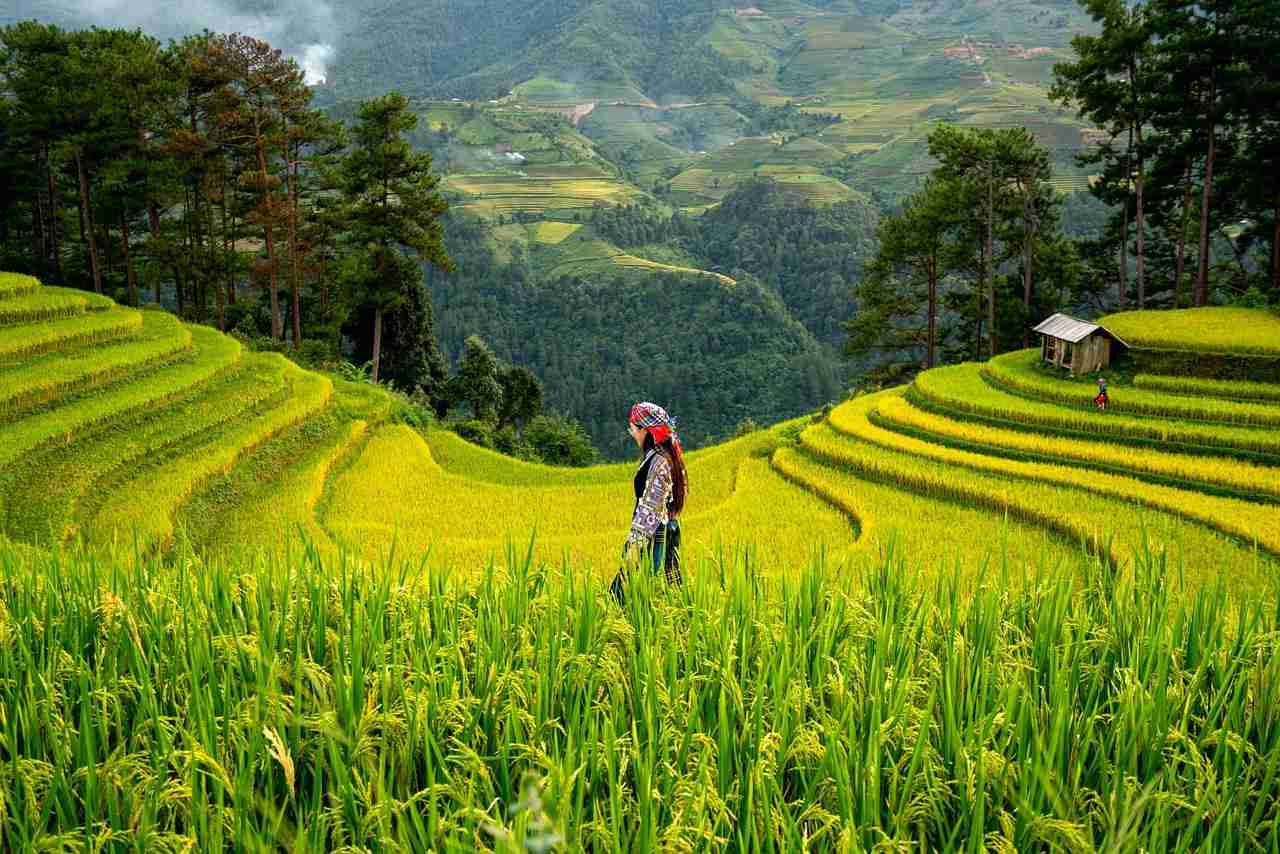
Exploring the Life Cycle of Paddy: From Field to Flour
The journey of paddy begins with meticulous cultivation in flooded fields, known as paddies, where farmers prioritize sustainability and biodiversity. During the growth phase, young rice plants are carefully nurtured, benefiting from rich ecosystems. The interplay of water, sunlight, and soil fertility creates a symbiotic relationship that promotes healthy crop development. Once the plants mature, it’s time for harvesting, a celebration of hard work highlighting the essence of nature’s bounty. Key steps in this phase include:
- Manual or mechanized cutting to gather ripe plants
- Drying to reduce moisture content and prevent spoilage
- Threshing to separate grains from stalks
Following harvest, the transformation of raw paddy into flour involves a series of well-orchestrated processes that enhance both quality and flavor. The grains undergo cleaning, removing impurities like dirt and stones. This is crucial for ensuring only the best reaches the market. Next, the paddy is milled, a delicate balance where whole grains become polished rice or flour. This milling process is more than just mechanical; it is an art form that requires precision. The following efficiency metrics are commonly observed in milling:
| Milling Process | Output Quality (%) | By-Products (%) |
|---|---|---|
| First Pass | 68 | 10 (Broken Rice) |
| Second Pass | 75 | 15 (Rice Bran) |
Each step reflects a deep respect for tradition and a commitment to quality, ensuring that consumers receive not just a product but a story of nourishment and care. From the soil to the package, every grain carries the essence of the land, providing not only nutritional value but also a deep connection to agricultural heritage.
Uncovering the Science Behind Paddy Milling Techniques
Paddy milling is a precise blend of time-honored techniques and modern technology, designed to transform raw paddy into consumable rice while preserving its nutrition and flavor. At the heart of this process lies the dehusking phase, where the tough outer husk is removed to reveal the tender grain inside. This is typically achieved through mechanical means, utilizing machines that ensure minimal disruption to the fragile kernel, thereby reducing the chances of breakage. Following dehusking, the grains undergo a process of whitening, where the bran layer is polished away. This step not only enhances the aesthetic appeal but also results in a shelf-stable product, ready for culinary applications.
As we delve deeper into the science, one cannot overlook the importance of moisture control during milling. Maintaining the right moisture content is crucial, as it affects the milling efficiency and the quality of the final product. Too much moisture can lead to grain spoilage, while too little can result in excessive breakage during milling. Consequently, mill operators often turn to sophisticated sensors and drying systems to optimize conditions. To better understand the parameters that affect milling, here’s a simplified table demonstrating the key variables and their impact:
| Parameter | Optimal Level | Impact |
|---|---|---|
| Moisture Content | 14-16% | Prevents spoilage, reduces breakage |
| Temperature | 20-25°C | Improves efficiency and quality |
| Milling Pressure | Adjustable | Optimizes yield and minimizes cracks |
Sustainability Practices in Paddy Processing and Their Benefits
Paddy processing has evolved significantly, embracing sustainability practices that contribute not just to environmental conservation but also to economic gains and community welfare. By implementing water-efficient techniques such as alternate wetting and drying (AWD), farmers can reduce water usage by up to 30-50%, minimizing wastage while maintaining healthy crop yields. Another essential practice is the utilization of organic fertilizers and composting, which enriches the soil naturally and reduces reliance on synthetic chemicals. In addition, the incorporation of renewable energy sources like solar and biogas systems within processing facilities reduces the carbon footprint, showcasing a commitment to sustainable energy use that can also lower operational costs.
Moreover, waste minimization plays a critical role in sustainable paddy processing. By-products from milling, such as husks and bran, can be repurposed into biochar or used as animal feed, thereby transforming waste into valuable resources. This circular economy approach opens doors to a variety of benefits, including:
- Reduced environmental impact through recycling and repurposing materials.
- Increased profitability from selling by-products or using them to enhance other farming operations.
- Enhanced community resilience via sustainable practices that support local economies and promote employment in green technologies.
| Practice | Benefit |
|---|---|
| Water-Efficient Techniques | 30-50% reduction in water usage |
| Organic Fertilizers | Healthier soil and crops |
| Renewable Energy Usage | Lower operational costs and carbon footprint |
| Waste Repurposing | Creation of additional revenue streams |
Enhancing Quality: Best Practices for Rice Storage and Distribution
To ensure the highest quality in rice storage and distribution, several best practices should be observed. One key element is maintaining an appropriate temperature and humidity level in storage facilities. Ideally, rice should be stored in a cool, dry place to prevent moisture accumulation, which can lead to spoilage and the growth of mold. Using breathable, moisture-resistant containers can significantly alleviate these concerns. In addition, regular monitoring for pests and contaminants is essential to preserving the grain’s quality. Implementing integrated pest management techniques can help to reduce the risk of infestations without compromising the rice’s integrity.
When it comes to distribution, careful handling and transport are critical to keep the rice in optimal condition. Properly designed packaging that protects against physical damage during transit can greatly enhance the safety of the grains. Furthermore, effective communication about expiration dates and optimal usage guidelines ensures that consumers are well-informed, thus maximizing satisfaction. The implementation of efficient inventory systems allows for better tracking of stock, preventing overstocking, which can result in quality loss. By adhering to these practices, the journey from paddy to plate can be not only efficient but also a testament to quality and care.
Insights and Conclusions
As we conclude this exploration of the journey from grain to goodness, we are reminded of the intricate web of processes that transforms paddy into the staple food we often take for granted. Each step, from harvesting in lush green fields to the careful milling that produces the rice we enjoy on our plates, encapsulates the dedication and innovation of farmers and processors alike.
This journey is not merely about the physical transformation of grains; it reflects a deep connection to culture, sustenance, and community. It serves as a reminder of the labor and resources involved in bringing our food to the table, urging us to appreciate the stories embedded in each grain.
As we savor our meals, let us celebrate the journey of paddy processing, recognizing the blend of nature and nurture that nurtures our bodies and fosters our collective wellbeing. The next time you enjoy a bowl of rice, take a moment to reflect on its remarkable journey—a testament to the resilience of agriculture and the shared endeavor of feeding the world.




