In the heart of verdant rice paddies, a profound change is quietly taking place—one that connects the sustenance of countless families to the diligent hands of farmers and the intricate machinery of paddy processing plants. “From Field to Table: The Journey of Paddy Processing Plants” explores this vital yet often overlooked transition, mapping the trajectory of rice as it evolves from its humble beginnings in sun-drenched fields to the polished grains that grace our dinner plates. Here, we delve into the complexities of this captivating journey, examining the processes that refine raw harvests into staple foods while considering the impacts of technology, sustainability, and local economies. Join us as we uncover the stories woven into each grain and celebrate the dedication behind one of the world’s most essential crops.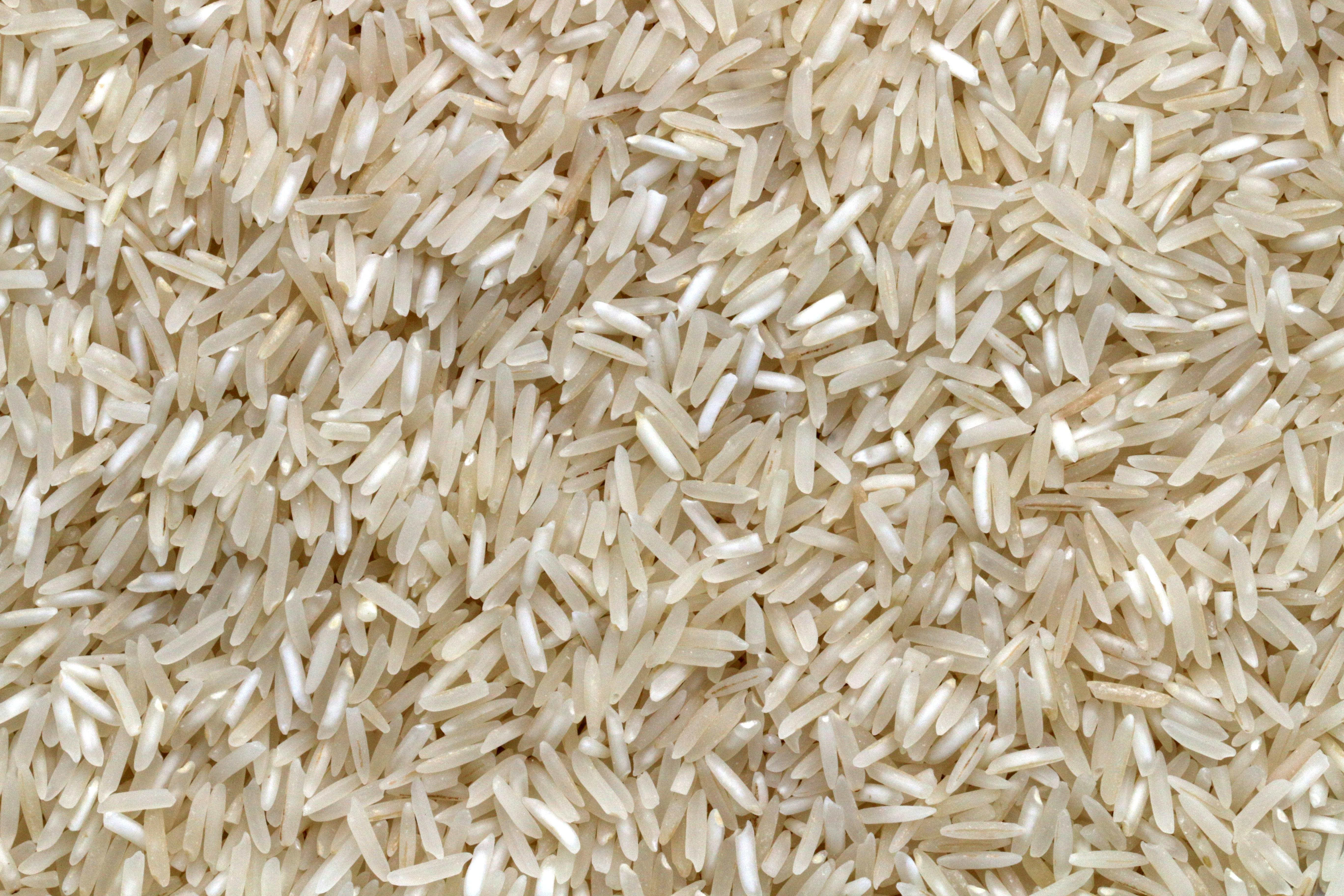
Exploring the Lifecycle of Rice: from Harvest to Consumption
Once harvested, rice enters an intricate journey that transforms freshly cut paddy into the grains we recognize on our plates. The first step in this process typically occurs in a Paddy Processing Plant, where the grains are cleaned and hulled to remove the outer husk. This phase is essential, as it determines the quality and purity of the rice. Key stages include:
- Cleaning: Removing impurities and stones.
- Hulling: Separating the husk from the brown rice.
- Milling: Polishing the brown rice to produce white rice.
Following milling, the rice undergoes further quality checks, ensuring it meets culinary standards before being packaged for distribution. Additionally, post-milling processes such as grading and packaging ensure that rice varieties are sorted according to size, quality, and type, enhancing consumer satisfaction. This meticulous attention to detail includes:
| Stage | Description |
|---|---|
| Grading | Sorting rice by size and weight. |
| Packaging | Sealing rice in consumer-amiable bags. |
| Quality Testing | Ensuring taste and safety standards. |
Once packaged, the rice is ready to journey from processing facilities to grocery stores and ultimately, our kitchens. Understanding this complex lifecycle not only enriches our appreciation for rice but also highlights the hard work involved in bringing this staple food from field to table.
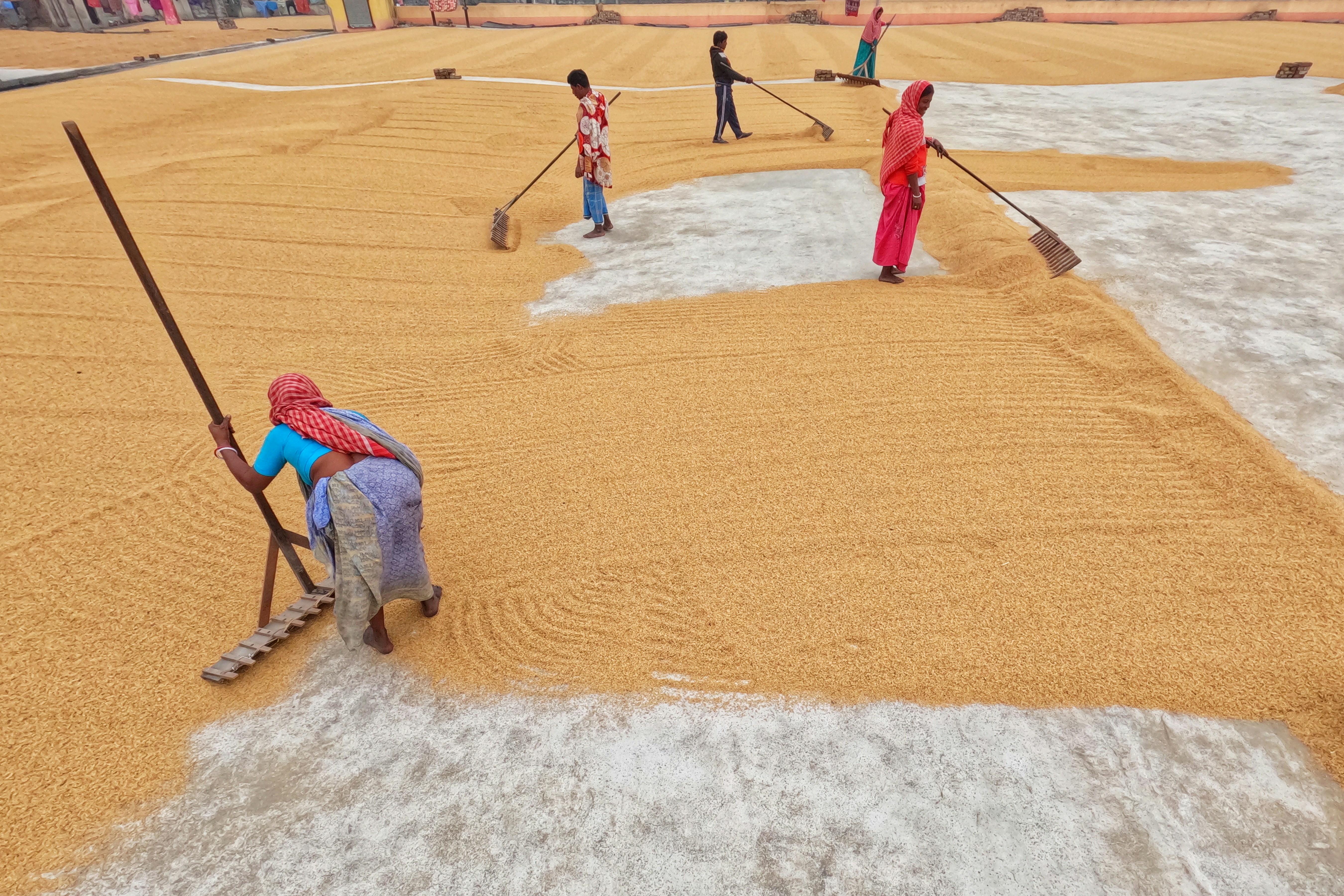
Understanding the Technology Behind Paddy Processing
Paddy processing is a fascinating intersection of traditional farming and cutting-edge technology.The journey begins with the careful harvesting of paddy, where modern combine harvesters play a crucial role in maximizing efficiency. Once harvested, the paddy grains are transported to processing plants, where various stages transform them from raw grains into the polished rice we consume. Key technologies at work include drying systems, which reduce moisture content, and dehusking machines, which remove the husk, paving the way for the milling process. This process not only preserves the grain quality but also ensures a higher yield for consumers.
Throughout the processing plant, each step is meticulously orchestrated, employing a range of machinery that enhances productivity. The milling stage utilizes modern grinders and separators to ensure that only the finest rice grains are selected.Additionally, technological advancements such as automatic packaging systems streamline the packaging process, reducing manual intervention and increasing overall output. here’s a brief overview of some essential machinery used in paddy processing:
| Machinery | Purpose |
|---|---|
| Combine Harvester | Efficient harvesting of paddy grains |
| Dryer | Reduces moisture content for better preservation |
| Dehusker | Removes the husk from paddy grains |
| Miller | Mills the rice to produce edible grains |
| Automatic Packaging Machine | Packages finished rice for distribution |
Sustainable Practices in Rice Processing for a Greener Future
In the quest for eco-friendly agricultural practices,rice processing has undergone notable transformations,which not only enhance efficiency but also promote sustainability. Facilities are now adopting energy-efficient machinery that minimizes energy consumption while maximizing output quality. These machines frequently enough utilize renewable energy sources, such as solar power, to operate, significantly reducing the carbon footprint associated with traditional methods. Additionally, water management systems are being optimized to recycle and reuse water during processing, thereby conserving this precious resource.Key initiatives that are being implemented in modern rice processing plants include:
- Zero waste management: Efforts are being made to repurpose by-products like rice husks and bran into biofuels or animal feed.
- Eco-friendly packaging: Movement toward biodegradable and recyclable materials for packaging ensures that waste is minimized during distribution and consumption.
- Organic certification: sourcing paddy from organically grown fields highlights the need for pesticides and fertilizers,thereby fostering a healthier ecosystem.
furthermore,community engagement plays a crucial role in the journey from field to table.Many processing plants are actively collaborating with local farmers to educate them about sustainable practices, fostering a cohesive approach to rice cultivation and processing.by sharing resources and knowledge, both parties benefit, leading to a holistic betterment in quality and sustainability. Below is a brief comparison of cultivation practices that promote eco-friendliness:
| Practice | Impact |
|---|---|
| Crop Rotation | Enhances soil fertility and prevents pest infestations. |
| Integrated Pest Management (IPM) | Reduces chemical pesticide use, promoting biodiversity. |
| Conservation Tillage | Minimizes soil erosion and retains moisture. |
Enhancing Quality and Safety in the Supply Chain of Rice Products
Ensuring the quality and safety of rice products throughout the supply chain involves multiple layers of oversight, from cultivation to processing. Regular inspections and stringent quality control measures are vital at every stage. Farmers are increasingly adopting *sustainable practices* that prioritize soil health and reduce pesticide usage, which not only results in healthier crops but also aligns with consumer demand for organic produce. Additionally, implementing *traceability systems* allows for complete clarity; consumers can track the origin of their rice, reinforcing trust in the brand. key practices include:
- Robust Pest Management: Utilizing integrated pest management techniques.
- Water Quality Monitoring: ensuring irrigation sources are contaminant-free.
- Hygiene Training: Providing training to all workers in handling and processing rice.
At the processing stage, advanced technologies play a crucial role in maintaining safety and quality. Adoption of automated sorting and grading systems can dramatically reduce human error, ensuring only the highest quality grains make it to market. Moreover, the establishment of safety protocols around *food handling and storage* is essential in preventing contamination during and after the milling process.Here’s a snapshot of the best practices that paddy processing plants should adopt:
| Practice | Description |
|---|---|
| regular Equipment Maintenance | Scheduled checks to prevent breakdowns and contamination. |
| Training Programs | Frequent workshops to keep staff updated on safety standards. |
| end-to-End Monitoring | Continuous tracking of rice quality from milling to packaging. |
Final Thoughts
As we conclude our exploration of the intricate journey from field to table, it becomes evident that paddy processing plants play a vital role in bridging the gap between agriculture and culinary delight. these facilities, often bustling hubs of activity, transform raw grains into the polished rice that graces our plates. From the dedicated farmers nurturing their crops to the skilled workers ensuring quality and efficiency in processing, each step is a testament to human ingenuity and resilience.By understanding this journey, we gain not only an appreciation for the labour that goes into our food but also insight into the complexities of food production in a world that increasingly seeks sustainability and quality. As we savor our next bowl of rice, we can do so with a deeper awareness of the path it has traveled—from the lush green fields to our tables—each grain carrying with it stories of hard work, tradition, and the relentless quest for better nourishment.
In recognizing the meaning of paddy processing plants,we are reminded of our interconnectedness with the land and the hands that cultivate it. So, the next time you enjoy a meal, take a moment to reflect on this journey.After all, every bite is a shared experience woven into the fabric of our global community, where agriculture meets artistry and commitment generates nourishment.