
From Field to Flour: The Journey of Paddy Processing
In the dappled sunlight of rice paddies, life unfolds in a lush tapestry of green. Each stalk of paddy sways gently in the breeze, standing as a testament to the labor and care that go into its cultivation. But the journey of paddy does not end with the harvest; it embarks on a transformative voyage that turns humble grains into the versatile flour used in kitchens around the world. From the intricate rituals of planting and nurturing in the fields to the precise mechanics of milling and processing, the story of paddy processing is one of nature’s bounty meeting human ingenuity. Join us as we explore the fascinating stages of this journey—unraveling the complexities of each step and shedding light on the sustainable practices and innovations that shape the future of rice production and consumption. Welcome to the world of paddy processing, where tradition meets technology, and every grain tells a story.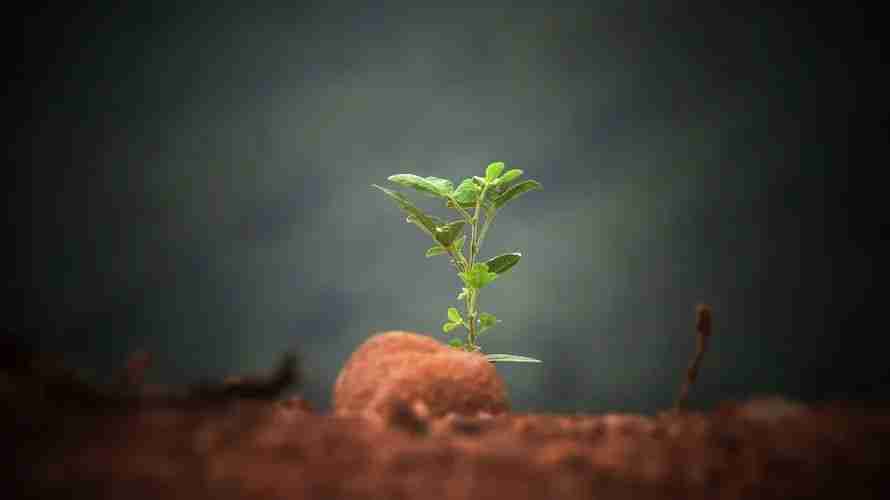
The Growing Process and Harvesting Techniques of Paddy
Growing paddy is a meticulous process that requires a harmonious blend of nature and farmer expertise. The journey begins with the selection of high-quality seeds, which are usually pre-soaked for 24 hours before being sown in prepared nurseries. Once the seedlings achieve a height of about 10-15 cm, they are carefully transplanted into flooded fields, where the water not only nourishes the plants but also suppresses weeds. Farmers often utilize traditional methods alongside modern techniques, ensuring optimal growth through irrigation management, soil fertility practices, and pest control strategies.
As the rice plants mature, usually taking between 3 to 6 months depending on the variety, farmers monitor their progress closely. Harvesting typically occurs when the grains turn golden and the moisture content is within the ideal range, around 20% to 25%. The traditional method of harvesting involves using a sickle to cut the stalks, while modern mechanized harvesters offer efficiency and speed. Post-harvest, the paddy goes through a series of steps to ensure quality, including threshing to separate the grains from the husks, and drying to reduce moisture content to safe levels. Below is a simplified overview of the process:
| Step | Description |
|---|---|
| Sowing | Planting seeds into nurseries or directly into flooded fields. |
| Transplanting | Moving seedlings from nurseries to the prepared fields. |
| Harvesting | Cutting down mature paddy using sickles or harvesters. |
| Threshing | Separating the rice grains from the stalks. |
| Drying | Reducing moisture content for safe storage and milling. |

Understanding the Milling Process and Its Impact on Quality
The milling process is a crucial phase in the journey from paddy to flour, significantly influencing the final product’s quality. Throughout this stage, the raw paddy undergoes multiple mechanical treatments to separate the rice grains from their husks and bran layers. This includes hulling, which removes the outer husk, followed by milling, where the bran layers are polished away to attain the desired whiteness and texture. Different milling techniques can yield varying types of rice flour, each with its distinct characteristics, flavor profile, and nutritional content. For instance, a low-impact milling method may preserve more nutrients but result in a coarser texture, while high-impact techniques promote a finer, more refined product.
Among the factors that contribute to the quality of the finished flour, the following are particularly noteworthy:
- Grain Selection: High-quality grains generally lead to superior flour.
- Milling Equipment: Advanced, well-maintained machinery ensures uniformity and minimizes damage to grains.
- Moisture Control: Proper moisture levels during milling are essential to prevent excessive heat and preserve flavor.
- Milling Techniques: Different milling methods impact the size, consistency, and nutritional value of the flour.
To further emphasize the relationship between milling processes and product quality, consider the following table showcasing the effects of different milling technologies on rice flour:
| Milling Technique | Texture | Nutritional Retention |
|---|---|---|
| Low-Impact Milling | Coarse | High |
| High-Impact Milling | Fine | Moderate |
| Stone Grinding | Medium | Very High |
Understanding these intricacies helps stakeholders—from farmers to consumers—make informed decisions about the paddy processing journey, ultimately enhancing the quality of rice flour produced and ensuring that it meets the demands of both culinary applications and nutritional needs.

Exploring Nutritional Benefits and Culinary Uses of Rice Flour
The transformation of rice into flour not only plays a crucial role in various global cuisines but also brings with it a plethora of nutritional advantages. Rice flour, made from finely milled white or brown rice, serves as a gluten-free alternative, making it ideal for those with celiac disease or gluten sensitivity. Packed with essential nutrients, such as B vitamins, iron, and magnesium, rice flour contributes to a balanced diet. Additionally, its low allergenic properties make it suitable for individuals with various dietary restrictions. The fiber content present in brown rice flour aids in digestion, promoting gut health and regularity, while also keeping one feeling satiated longer, making it a preferred choice for healthy baking and cooking options.
In culinary practices, rice flour opens a world of creativity, allowing chefs and home cooks alike to experiment with traditional and modern recipes. Its versatility is showcased in a variety of dishes, ranging from dumplings and pancakes to noodles and bread. Rice flour can be used as a thickening agent for sauces or gravies, offering a light texture that complements many flavors. Here are some notable uses:
- Gluten-Free Baking: Ideal for cakes, cookies, and pastries.
- Asian Cuisine: Commonly used for making rice noodles and rice paper.
- Thickening Agent: Excellent for soups, sauces, and gravies.
- Tempura Batter: Creates a crispy coating for fried vegetables and meats.
Rice flour also plays a pivotal role in various cultural dishes, crossing culinary boundaries to enhance flavors and textures. The following table highlights some popular dishes that feature rice flour as a key ingredient:
| Dish | Cuisine | Main Features |
|---|---|---|
| Rice Noodles | Thai/Vietnamese | Soft and chewy, used in soups and stir-fries. |
| Mocha Rice Cake | Korean | Sweet, chewy, filled with various flavors. |
| Cheeyapam | Indian | Crispy pancakes, often served with chutney. |
| Onigiri | Japanese | Rice balls filled with savory ingredients. |
Sustainable Practices in Paddy Processing and Future Innovations
Paddy processing has evolved significantly, embracing sustainable practices that not only boost efficiency but also reduce environmental impact. Water conservation techniques, such as alternate wetting and drying (AWD), have become commonplace, decreasing water use significantly. Furthermore, biomass energy is being harnessed from rice husks and other by-products, promoting a circular economy within the processing cycle. The use of solar energy for drying rice is gaining traction, minimizing the carbon footprint associated with traditional drying methods and offering a cleaner alternative that leverages renewable resources.
Looking ahead, the future of paddy processing holds exciting innovations. The integration of smart technology, such as IoT and AI, can optimize every stage of processing, ensuring precision and reducing resource wastage. Implementing automated milling systems allows for more efficient rice processing, with enhanced quality control that satisfies consumer demands. Additionally, the focus on packaging innovations, such as biodegradable materials, is shaping a more sustainable market. Below is a simple overview of recent advancements:
| Innovation | Description | Benefits |
|---|---|---|
| Smart Sensors | Real-time monitoring of moisture levels | Improved quality and reduced spoilage |
| Robotics in Milling | Automated sorting and processing | Increased efficiency and lower labor costs |
| Eco-friendly Packaging | Biodegradable containers for rice | Less plastic waste and environmental impact |
Final Thoughts
As we conclude our exploration of the journey from field to flour, it’s clear that the path of paddy processing is a testament to the intricate dance between nature, tradition, and technology. Each stage—from the golden swaying fields to the meticulous milling process—reflects a blend of expertise and innovation that transforms humble grains into essential staples. This journey not only sustains our culinary traditions but also supports the livelihoods of countless farmers and workers across the globe. By understanding this process, we can cultivate a deeper appreciation for the food we consume and the intricate systems that bring it to our tables. As we savor our next bowl of rice or flour-based dish, let us remember the untold stories of labor, care, and craftsmanship that enrich our dining experiences every day.




