
From Field to Feast: The Journey of Paddy Processing
In the dance of agriculture, few grains command the stage quite like paddy rice. Nestled in lush green fields, it grows, swaying gently with the breeze, a testament to the harmony of nature and cultivation. But what happens once the golden grains are harvested? The journey from field to feast is a rich tapestry woven with tradition, innovation, and the tireless efforts of countless hands. In this article, we will explore the intricate process of paddy processing, delving into the stages that transform humble grains into the staple food cherished by millions around the globe. From the meticulous methods of threshing and milling to the technological advancements that enhance efficiency and quality, join us as we uncover the fascinating evolution of paddy, celebrating its vital role in our daily sustenance and the cultural significance it holds across diverse societies. Welcome to a journey where every grain tells a story, and every meal begins with the labor of love from the fields.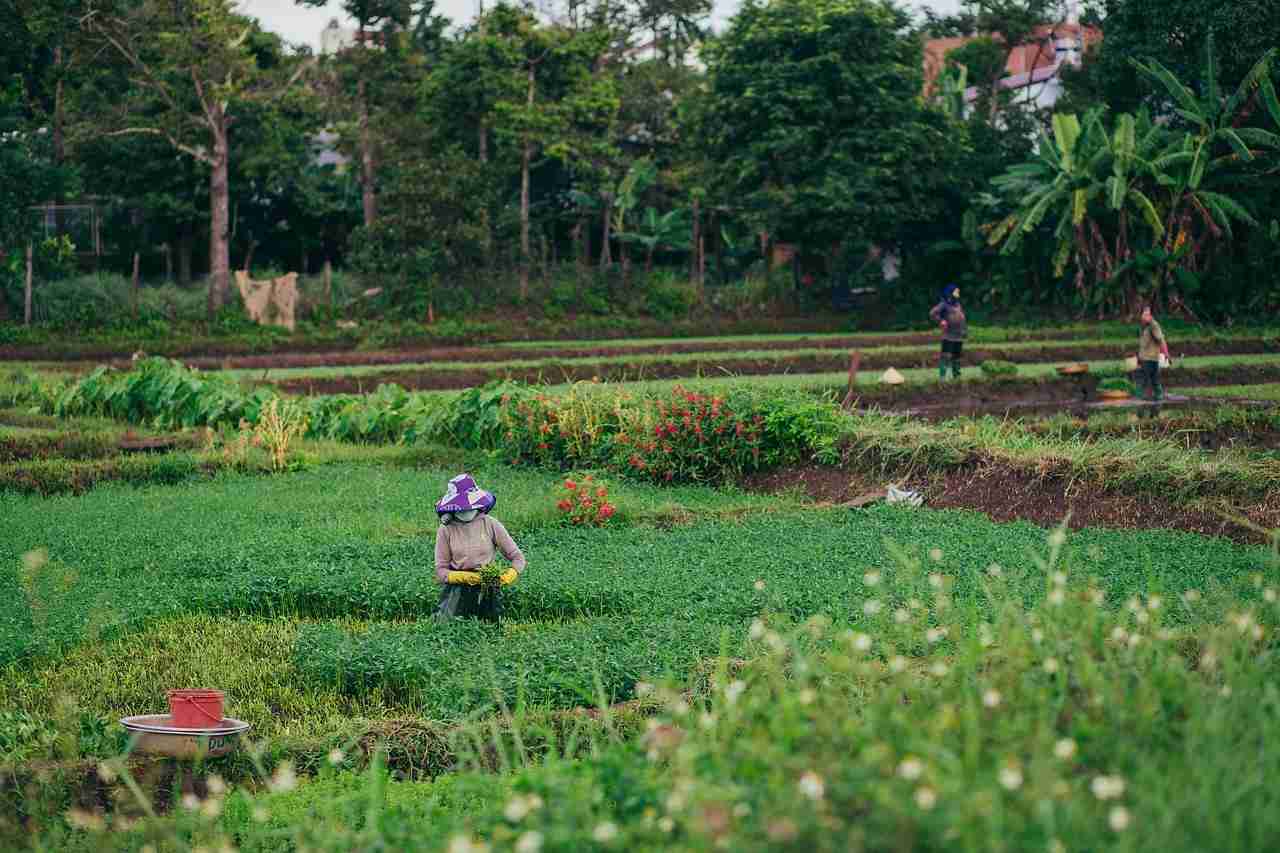
Understanding Paddy Cultivation: Best Practices for Optimal Yield
Paddy cultivation is an intricate dance between nature and agricultural science, requiring careful attention to soil health, water management, and crop varietals. To achieve the best results, farmers should focus on selecting the right seeds tailored to their local environment and climate. Additionally, implementing crop rotation can enhance soil fertility and reduce pest infestations. Optimal practices include:
- Conducting soil tests to determine nutrient needs.
- Using organic fertilizers to promote sustainable growth.
- Employing integrated pest management (IPM) for effective pest control.
- Ensuring proper water management through drainage and irrigation systems.
Furthermore, maintaining a regular monitoring schedule can help identify issues early, minimizing yield loss. Farmers are encouraged to adopt mechanization for planting and harvesting, which can significantly increase efficiency. Another key factor is the timing of planting and harvest; understanding the local climate and seasonal patterns is essential. Establishing a proper post-harvest strategy can further ensure high quality, leading to maximum profitability. Here’s a concise overview of important factors:
| Factor | Importance |
|---|---|
| Soil Health | Basis for crop productivity |
| Water Management | Ensures optimal growth conditions |
| Crop Rotation | Enhances soil nutrients and pest control |
| Timely Harvesting | Maximizes grain quality and yield |

The Processing Pathway: Techniques to Transform Paddy into Rice
The journey from the lush green fields to the dining plate is a fascinating transformation that involves multiple steps to ensure quality and flavor. Harvesting is the first step, where mature paddy is carefully cut and collected, often using traditional methods or modern machinery. Post-harvest, the paddy undergoes drying, an essential process to reduce moisture content and prevent spoilage. Sun-drying is a time-honored technique, while mechanical dryers provide efficiency and consistency, ensuring that the grains are ready for the next stages.
Once dried, the paddy enters the milling phase, where the husk is removed to produce brown rice. This process may involve the use of huskers and shellers, which strip away the inedible outer layers. Following milling, the grains can be further polished for a brighter appearance, transitioning into white rice. quality control checks ensure that only the best grains make it to distribution. Below is a summary table of the key steps involved in the paddy processing pathway:
| Step | Description |
|---|---|
| Harvesting | Collection of mature paddy from fields. |
| Drying | Reducing moisture content to prevent spoilage. |
| Milling | Removing husk to produce brown rice. |
| Polishing | Enhancing appearance by refining the grains. |
| Quality Control | Ensuring only premium rice is packaged for sale. |
Nutritional Benefits of Rice: Enhancing Your Diet with Whole Grain Options
Rice, particularly when consumed as a whole grain, offers numerous nutritional benefits that can significantly enhance your diet. As a staple food for over half the world’s population, this versatile grain is a rich source of energy. Whole grain rice varieties, such as brown rice, retain the bran and germ layers, which house an impressive array of nutrients. These varieties are high in dietary fiber, which aids in digestion, helps regulate blood sugar levels, and promotes a feeling of fullness, reducing the likelihood of overeating. Additionally, whole grain rice is packed with essential vitamins and minerals including:
- Magnesium: Vital for muscle and nerve function.
- Vitamin B6: Important for brain health and metabolism.
- Selenium: An antioxidant that protects against cell damage.
Incorporating whole grain rice into your meals not only supports vital bodily functions but also offers additional heart health benefits. Research has shown that whole grains can lower the risk of heart disease, primarily due to their ability to reduce cholesterol levels and maintain healthy blood pressure. For individuals seeking to diversify their grain intake, experimenting with various rice types, such as basmati and wild rice, can add unique flavors and textures to dishes. Below is a simple comparison of different rice options:
| Type of Rice | Calories per Serving | Fiber (g) | Protein (g) |
|---|---|---|---|
| Brown Rice | 218 | 3.5 | 5.0 |
| Basmati Rice | 190 | 0.6 | 4.0 |
| Wild Rice | 166 | 3.0 | 6.0 |
Sustainable Practices in Rice Production: Strategies for Future Generations
Embracing sustainable practices in rice production not only preserves the environment but also ensures that future generations can rely on this vital crop. One effective strategy involves the implementation of crop rotation and diversification, which helps maintain soil health and reduce pest populations. By introducing legumes and other crops into the planting cycle, farmers can enhance nitrogen levels in the soil, leading to improved rice yield quality. Furthermore, integrated pest management (IPM) techniques can minimize pesticide use while controlling harmful insects, promoting a healthier ecosystem around rice paddies.
Water management is another critical aspect of sustainable rice production. By adopting alternate wetting and drying (AWD) practices, farmers can significantly reduce water usage without compromising crop output. This method allows fields to be intermittently flooded and drained, conserving precious water resources while encouraging the development of deeper root systems, enhancing drought resilience. Additionally, the promotion of organic fertilizers can boost soil fertility, reducing dependence on synthetic inputs. Implementing these practices not only contributes to the sustainability of rice farming but also improves food security and community livelihoods.
To Wrap It Up
As we conclude our exploration of the journey from field to feast, we come to appreciate the intricate tapestry woven together by nature, farmers, and processors. Every grain of rice tells a story—of labor under the sun, of careful harvesting, and of the meticulous steps involved in turning paddy into the polished grains that grace our tables.
It’s a journey marked by tradition and innovation, where age-old practices meet modern technology, ensuring that each bite not only nourishes our bodies but also connects us to a legacy of hard work and dedication. The path from the green fields to our plates is more than mere transportation; it is a celebration of culture, community, and culinary delight.
So, the next time you savor a dish made from rice, remember the journey it undertook and the hands that made it possible. Let each meal be a reminder of the profound connection we share with the land and the countless individuals who contribute to the global pantry. In this way, we honor the paddy’s remarkable transformation from field to feast, cherishing the rich heritage and labor that sustains us all.




