
In an era where efficiency meets innovation, the humble grain of rice has found itself at the center of a transformative wave within the agricultural landscape. As populations expand and the demand for food security intensifies, mini rice mills have emerged as a beacon of progress, unlocking the potential of small-scale farming and empowering local communities. These compact, technologically advanced units are redefining the traditional rice milling process, offering farmers greater control over their production while simultaneously minimizing waste and maximizing yield. This article delves into the rise of mini rice mills, exploring their role in reshaping the agricultural economy, fostering sustainability, and meeting the ever-evolving needs of consumers around the globe. Join us as we uncover how these innovative mills are not just changing the way rice is processed, but also harvesting a new future for rural development and food resilience.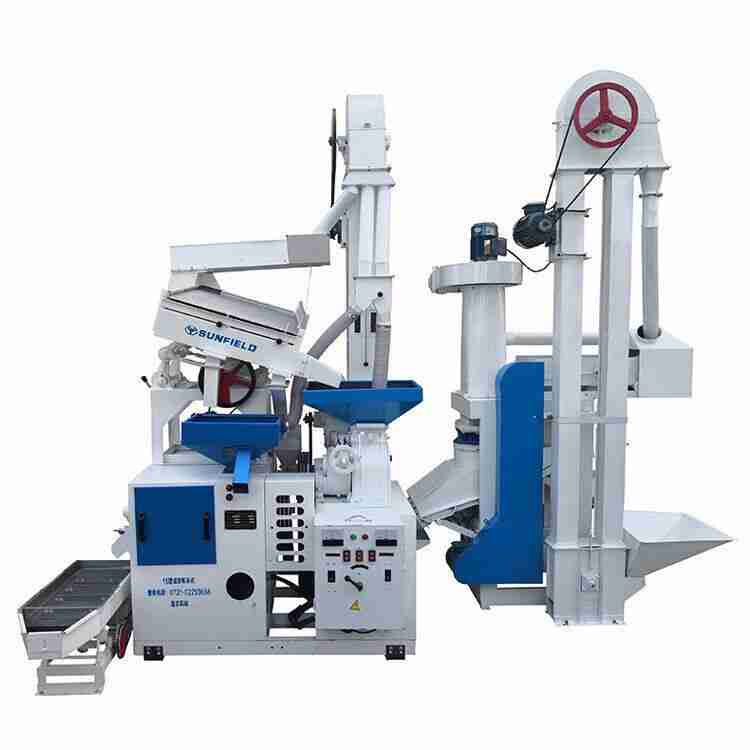
Understanding the mini rice mill Revolution
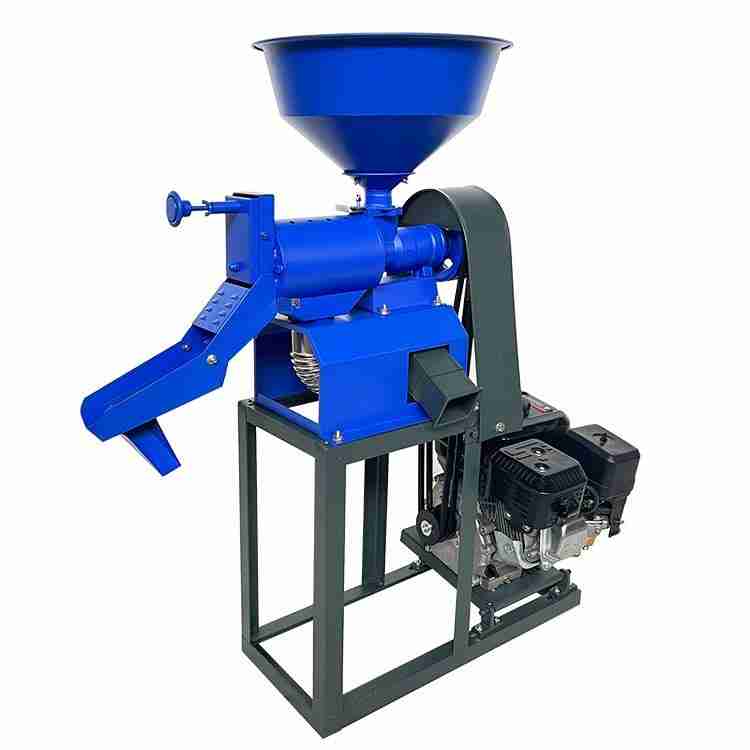
The advent of mini rice mills has transformed the landscape of rice processing, making it more accessible, efficient, and sustainable. These compact machines have democratized rice milling, enabling small-scale farmers and entrepreneurs to produce their own rice with minimal investment. By reducing dependency on large milling facilities, mini rice mills empower local communities, fostering economic growth and enhancing food security. The technology involved has advanced significantly, offering features that cater to various needs, such as:
- Energy efficiency: Smaller machines consume less power, making them ideal for rural settings.
- Portability: Their compact design allows for easy transportation, enabling farmers to mill rice on-site.
- User-friendly operation: Modern mini rice mills feature intuitive controls, reducing the skill barrier for operation.
Additionally, the local production of rice not only contributes to better taste and quality control but also supports the local economy by keeping profits within the community. As these mills become more popular, the potential for job creation rises, including roles in maintenance, operation, and marketing. The move toward mini rice milling aligns with sustainable practices, reducing waste and promoting the use of locally sourced materials. A table summarizing some key benefits of mini rice mills illustrates their role in revolutionizing the rice industry:
| Benefit | Description |
|---|---|
| Cost-effective | Lower initial investment compared to large mills. |
| Community driven | Enhances local economies by fostering entrepreneurship. |
| Quality preservation | Milling on-site maintains freshness and quality. |
Key Benefits of Mini Rice Mills for Small-Scale Farmers
Mini rice mills have emerged as a transformative tool for small-scale farmers, revolutionizing the way they process their harvests. One of the most significant advantages is cost-effectiveness. These compact machines typically require lower initial investments compared to traditional large-scale milling operations, making them accessible to smallholder farmers. Additionally, mini rice mills operate with reduced labor costs, allowing farmers to work efficiently with minimal help. The ability to mill rice on-site not only saves time but also significantly cuts transportation expenses, enhancing the overall profit margins of small farms.
Moreover, the adaptability of mini rice mills supports quality control and freshness. Farmers have the option to process their rice immediately after harvest, ensuring that the grains maintain their nutritional value and taste. This localized processing can lead to better market prices, as consumers increasingly prefer fresh, locally milled products over mass-produced alternatives. Furthermore, by empowering farmers, mini rice mills can foster community resilience, allowing smallholders to collaborate and share resources, thereby creating a supportive network that enhances sustainability and agricultural growth across regions.

Technological Innovations Driving Efficiency and Productivity
In recent years, the agricultural sector has witnessed a wave of innovations designed to maximize both efficiency and productivity, and mini rice mills are at the forefront of this transformation. These compact machines not only make rice processing accessible to smaller farms but also enhance the speed and quality of milling. By employing advanced technologies such as automated process controls and energy-efficient motors, mini rice mills significantly reduce operational costs while delivering higher yields. Farmers can now enjoy the benefits of freshly milled rice with minimal downtime, allowing them to focus more on cultivation rather than outsourcing milling processes.
Furthermore, the rise of intelligent systems within these mills has ushered in an era where data-driven decision-making is paramount. With integrated sensors and IoT capabilities, farmers can monitor performance metrics in real-time, making adjustments on the fly to optimize output and reduce waste. Some key advantages of these modern systems include:
- Reduced Post-Harvest Losses: Minimizing spoilage through efficient milling techniques.
- Labor Savings: Automation decreases reliance on manual labor.
- Quality Consistency: Advanced milling ensures uniform grain quality.
Additionally, the compact nature of mini rice mills allows for easy transport and setup, enabling farmers in remote areas to process their crops on-site. This approach not only saves time but also contributes to local economies by keeping the value-added processes within communities. With the right support and investment, the expansion of mini rice mills could mark a significant turning point in agricultural practices, driving productivity levels to new heights.
Strategies for Successful Implementation and Growth
Successful implementation and growth of mini rice mills hinge on a multifaceted approach that encompasses technological integration, community engagement, and sustainable practices. Investing in efficient milling technology is paramount, as it directly impacts the quality of the rice produced and operational efficiency. To optimize operations, mill owners should consider adopting advanced machinery that minimizes energy consumption and maximizes output. Furthermore, establishing partnerships with local farmers ensures a consistent supply of paddy and fosters a cooperative model that benefits both parties. By providing training and resources to farmers, mills can help improve yield quality, which, in turn, enhances the overall product value.
Another critical aspect of growth is the focus on marketing and branding. Creating a recognizable brand that resonates with consumers can drive demand significantly. Engaging in community marketing strategies—like participating in local food fairs or collaborating with regional grocery stores—can elevate the mill’s presence in the marketplace. Additionally, exploring online sales channels opens up new revenue streams and expands market reach. To further facilitate growth, mini rice mills should also consider implementing quality control measures that assure customers of the product’s consistency and integrity. This commitment to excellence can set a mini rice mill apart in a competitive landscape.
| Key Strategies | Description |
|---|---|
| Efficiency Upgrades | Invest in state-of-the-art milling technology to boost productivity. |
| Community Collaborations | Engage with local farmers to ensure a steady supply of quality paddy. |
| Brand Development | Create a strong brand identity to enhance market presence. |
| Online Sales Expansion | Utilize e-commerce platforms for broader market access. |
In Summary
As we draw the curtain on our exploration of mini rice mills, it becomes evident that these compact powerhouses are not just a technological innovation but a pivotal movement towards sustainable agriculture and economic empowerment. By embracing the advantages of accessibility, efficiency, and local engagement, mini rice mills are setting the stage for a transformation in the grain processing landscape.
From empowering small farmers to fostering community resilience, the rise of these mills is a testament to human ingenuity in adapting to both challenges and opportunities. As we look to the future, the potential for mini rice mills to reshape local economies and food systems is nothing short of inspiring. Whether you are a farmer seeking to maximize your yields or a supporter of sustainable practices, the journey with mini rice mills is just beginning.
In this era of change, may we all stay informed and engaged, unlocking the full potential of these advancements for generations to come. The rise of mini rice mills is not just a trend; it is a call to reimagine the way we grow, process, and appreciate one of the world’s most essential staples.




