
Unlocking Potential: A Guide to mini rice mill Plants
In the vast landscape of agriculture and food production, rice stands as a staple that fuels millions across the globe. As the demand for this versatile grain rises, so does the need for efficient processing solutions that can cater to local communities without compromising quality. Enter the mini rice mill plant—a beacon of innovation and sustainability, designed to empower small-scale farmers and entrepreneurs alike. This guide delves into the world of mini rice mill plants, unveiling their transformative potential in the rice industry. From understanding their operational intricacies to exploring the economic benefits they offer, we’ll navigate through the essential elements that can help unlock a world of opportunity for those looking to invest in this burgeoning sector. Join us on this journey as we explore how these compact marvels are reshaping food security, driving rural development, and fostering a greener future for rice production.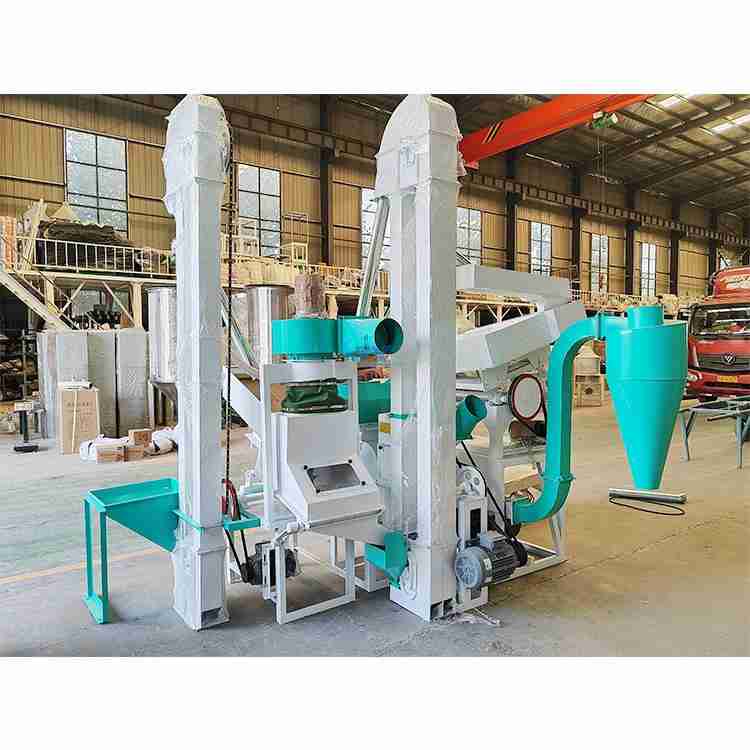
Exploring the Benefits of mini rice mill Plants for Small Scale Entrepreneurs
mini rice mill plants serve as a transformative asset for small-scale entrepreneurs, offering remarkable affordability and efficiency. With the initial investment being significantly lower than that of traditional mills, these compact units enable budding business owners to step into the rice processing industry with reduced financial risk. Additionally, the technology integrated into mini rice mills facilitates faster processing times and minimized wastage, directly correlating to enhanced profitability. Entrepreneurs can also enjoy greater flexibility; they can easily scale operations based on market demand while maintaining lower overhead costs.
The operational benefits extend beyond just cost efficiency. mini rice mill plants often come equipped with energy-saving features and user-friendly designs, making them ideal for individuals with limited technical expertise. Not only do they ensure consistent quality of rice—which is vital for maintaining customer satisfaction—but they also promote local employment. Furthermore, these plants can bolster the supply chain of small farmers by providing them with a reliable avenue to process their harvests, thereby strengthening community ties and local economies. Below is a brief comparison of the features of conventional mills versus mini rice mills:
| Feature | Conventional Mills | Mini Rice Mills |
|---|---|---|
| Initial Investment | High | Low |
| Processing Time | Long | Fast |
| Maintenance Required | High | Low |
| Energy Consumption | High | Low |
| Market Flexibility | Low | High |
Essential Components and Technologies Behind Efficient Rice Milling
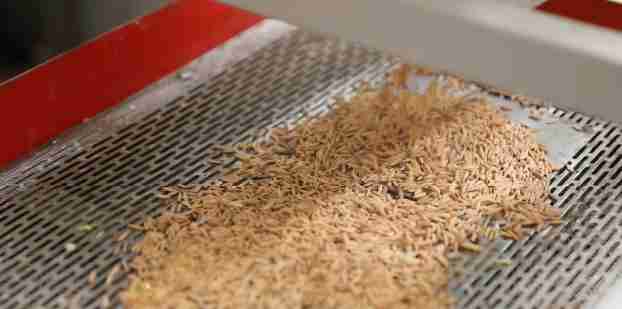
Efficient rice milling is a blend of optimized processes and cutting-edge technology. At the heart of any mini rice mill plant, you’ll find essential components designed to enhance productivity and ensure high-quality output. Key machines include the husker, which removes the husk from the rice grain, and the paddy separator, which classifies the grains by density. Additionally, modern polishing units serve to improve the aesthetic quality of the rice, enhancing its market appeal. These components work synergistically to increase the yield while minimizing energy consumption and waste, making them indispensable for the contemporary mill.
Incorporating advanced technologies plays a crucial role in the efficiency of rice milling. Automated systems and sensors monitor the milling process in real time, allowing plant operators to make data-driven adjustments as necessary. Moreover, integration of cleaning and grading machinery ensures that only the best quality rice reaches consumers, free from broken grains and impurities. A well-designed layout facilitates smooth workflow and minimizes downtime. Below is a simple representation of some common technologies used in mini rice mills:
| Technology | Function |
|---|---|
| Husker | Removes the rice husk |
| Paddy Separator | Sorts grains by density |
| Polisher | Enhances rice appearance |
| Automated Sensors | Monitors milling efficiency |
| Cleaning Machinery | Removes impurities |

Step-by-Step Guide to Setting Up Your Own mini rice mill Plant
In setting up a mini rice mill plant, the first step is to conduct thorough research on the local market, analyzing the demand for rice and identifying potential competition. This foundational understanding will help you define your business goals and ideal customer base. Next, establish a business plan that outlines your operational structure, funding requirements, and marketing strategies. Don’t forget to account for the necessary licenses and permits required by local authorities to ensure your operations comply with regulations.
Once you’ve solidified your plan, focus shifts to selecting the right equipment and machinery for your mini rice mill. Consider essential components such as the rice huller, separator, and polishing machines. The choice of equipment can significantly impact efficiency and output quality. Following this, it’s key to develop a layout plan for your facility that optimizes workflow and space utilization while considering safety standards. Here’s a simplified overview of essential equipment you may need:
| Equipment | Function |
|---|---|
| Rice Huller | Removes husk from the rice grain |
| Separator | Separates hulls and unhulled grains |
| Polisher | Enhances the appearance of rice |
| Sifter | Removes impurities and broken grains |
| Packaging Machine | Packages finished rice for sale |
After selecting your equipment, ensure that you recruit skilled personnel who are familiar with rice milling operations, or consider providing training sessions to enhance their expertise. Additionally, implementing a quality control system will maintain the standard of your product. launch a marketing campaign that focuses on the uniqueness of your rice mill, showcasing not only the product but also how you cater to local farmers and consumers, thus embedding your enterprise within the community.
Navigating Market Trends: Maximizing Profitability in Rice Milling Business
In the ever-evolving landscape of the rice milling industry, staying attuned to market trends is essential for enhancing profitability. As consumer preferences shift towards healthier and organic options, mini rice mill plants can position themselves to capitalize on these changes. By adopting innovative processing techniques and incorporating sustainable practices, businesses can differentiate their products in a competitive market. Key strategies include:
- Investing in modern technology: Upgrading machinery can lead to improved efficiency and product quality.
- Market research: Regular analysis of consumer demand can help tailor products, ensuring alignment with current trends.
- Diversification: Offering a range of rice products, such as specialty varieties or pre-packaged meals, can capture a broader audience.
Additionally, understanding the importance of cost management can greatly enhance the viability of mini rice mills. Analyzing fixed and variable costs allows businesses to identify areas for savings, and leveraging local supply chains can reduce expenses significantly. Consider the table below for a simple overview of potential cost-saving strategies:
| Cost Category | Strategy | Potential Savings |
|---|---|---|
| Raw Materials | Local sourcing | 10-20% |
| Energy | Renewable energy sources | 15-30% |
| Labor | Automation of processes | 20-35% |
| Transportation | Optimizing routes | 5-15% |
By strategically focusing on these elements, operators of mini rice milling plants can not only navigate the complexities of market trends but also enhance their bottom line while contributing to a more sustainable and profitable agricultural ecosystem.
Insights and Conclusions
As we conclude our exploration into the world of mini rice mill plants, it becomes evident that these compact powerhouses hold the key to unlocking vast potential in both agricultural and entrepreneurial landscapes. By embracing the technology, sustainability, and community empowerment that mini rice mills offer, smallholder farmers and aspiring entrepreneurs can pave the way for not only personal advancement but also economic growth in their regions.
The journey toward establishing a mini rice mill plant is not merely about machinery and production; it’s about cultivating opportunities, reducing waste, and enhancing food security. As we move forward, we encourage you to consider how these plants can fit into your own vision for agricultural innovation or community support.
In a world where every grain counts, let us harness the potential of mini rice mills to transform challenges into achievements. By investing in this technology, you’re not just milling rice; you’re sowing the seeds of change. Thank you for joining us on this enlightening journey—may the insights gathered here inspire you to take the next step in unlocking your own potential.




