
Unlocking Potential: A Comprehensive Guide to mini rice mill Plants
In an era where sustainable agriculture and food security are at the forefront of global discussions, the humble rice mill emerges as a beacon of opportunity. As one of the world’s most essential staple foods, rice production holds immense promise for entrepreneurs and small-scale farmers alike. mini rice mill plants have paved the way for accessible, efficient, and cost-effective processing solutions, empowering communities to harness their agricultural potential. This comprehensive guide delves into the intricacies of mini rice mill plants, exploring their operational dynamics, benefits, and the transformative impact they can have on local economies. Whether you are a budding entrepreneur aspiring to step into the booming agro-industry or a seasoned professional seeking to optimize operations, join us as we unlock the potential of mini rice mill plants and illuminate the path to sustainable growth and prosperity.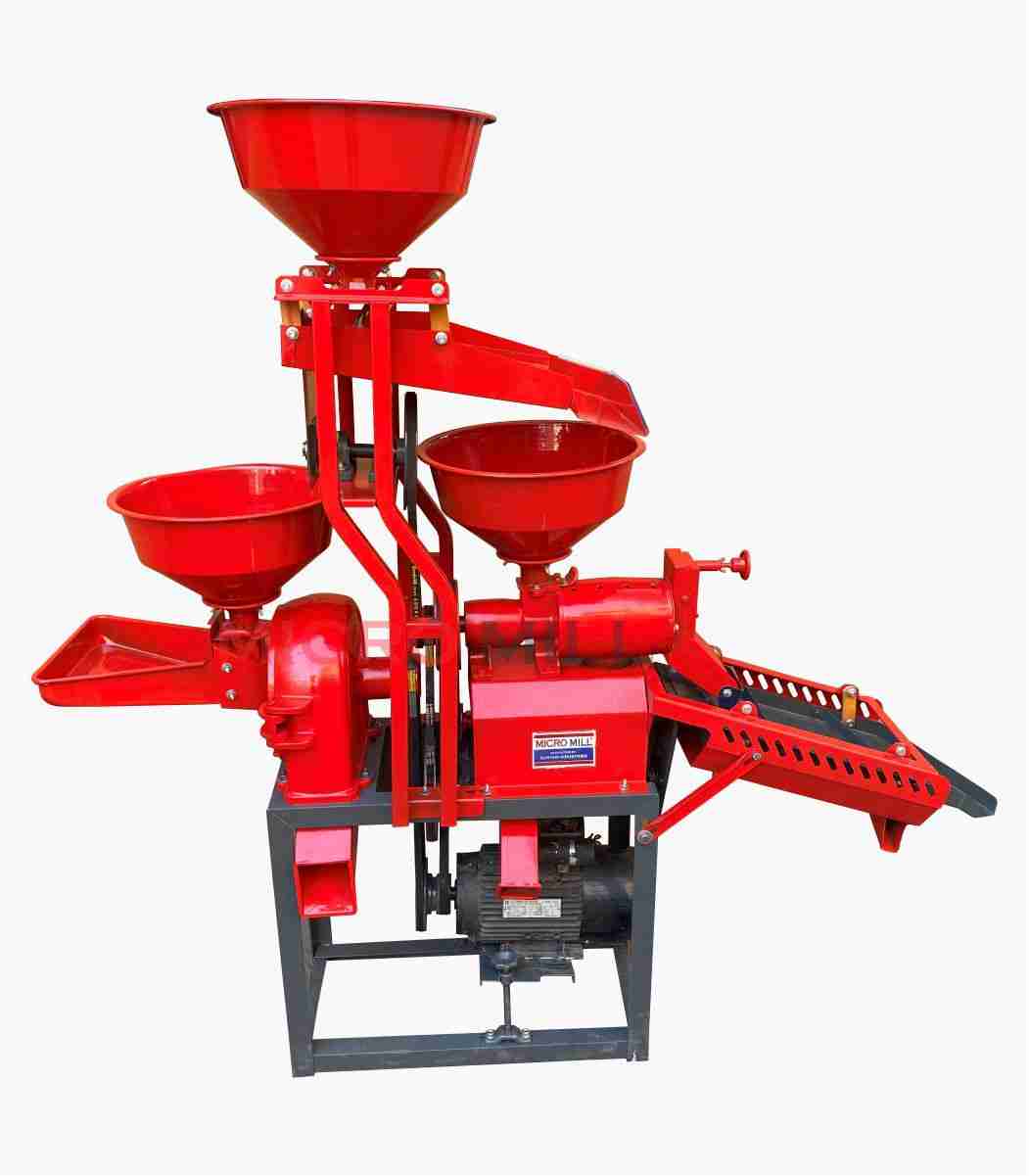
Understanding the mini rice mill: Features and Benefits
The mini rice mill is a modern solution crafted for efficient rice processing, harnessing advanced technology while being compact. One of its standout features is its high milling efficiency, which significantly reduces the loss of rice during processing. Unlike traditional milling approaches, a mini rice mill minimizes broken rice percentage, ensuring higher yield and quality. Additionally, many models come equipped with an automatic husking system, which not only streamlines operations but also enhances safety by reducing manual handling. A user-friendly control panel allows even novices to operate the mill with ease, making it accessible to a broader audience, including small farmers and entrepreneurs.
Another significant advantage of mini rice mills is their energy efficiency. These mills are designed to consume lower power while delivering superior output, making them both cost-effective and environmentally friendly. The compact design allows for easy installation, often requiring minimal space in households or small processing units. Moreover, maintenance is simplified thanks to the use of durable materials that withstand wear and tear, reducing long-term operational costs. Below is a quick comparison of key features available in various mini rice mills:
| Feature | Standard Model | Premium Model |
|---|---|---|
| High Milling Efficiency | 85% | 90% |
| Power Consumption | 2.5 kW | 1.8 kW |
| Automatic Operation | Manual Control | Fully Automatic |
| Space Requirement | 1.5m² | 1m² |
Essential Components for a Successful mini rice mill Plant
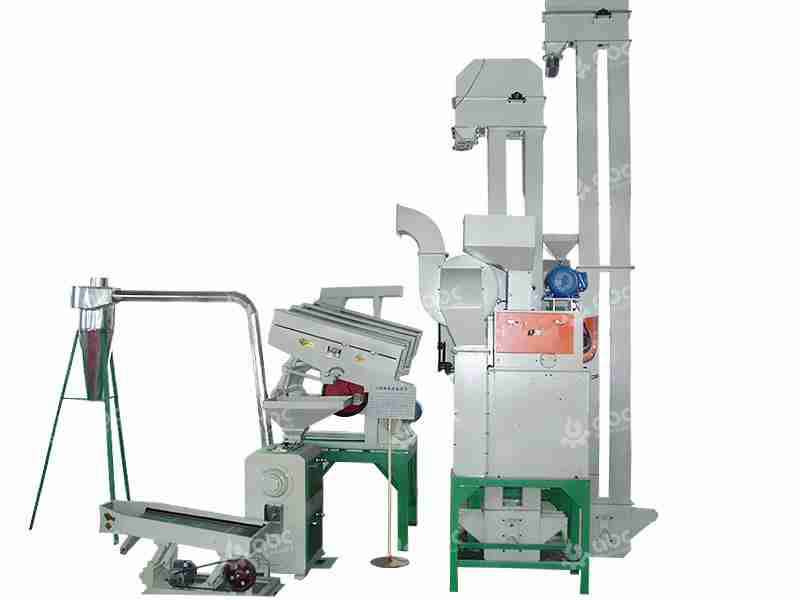
To establish a thriving mini rice mill plant, several key components come together to ensure seamless operations and optimal productivity. First and foremost, high-quality machinery is essential. This includes rice huskers, separators, and polishers that not only enhance processing efficiency but also help in retaining the nutritional value of the rice. Additionally, efficient layout design is critical for workflow, helping minimize labor and maximizing space utilization while ensuring safe movement within the facility. The integration of technology, such as automated systems and real-time processing monitoring, can further streamline operations, reducing downtime and enhancing productivity.
Another vital aspect is the sourcing of raw materials. Partnering with reliable paddy suppliers guarantees the availability of high-quality rice grains, which is key to producing superior rice products. Moreover, skilled labor plays a significant role, as trained personnel can manage machines efficiently and address any operational challenges. Lastly, it’s important to invest in marketing strategies and distribution channels. Building relationships with local retailers and exploring e-commerce opportunities can effectively expand your market reach, aiding in the growth and sustainability of your mini rice mill enterprise.

Navigating the Market: Key Considerations and Recommendations
When venturing into the mini rice mill business, understanding the market landscape is crucial to ensure sustainable growth and success. Consider factors such as local demand, production capacity, and cost efficiency when selecting the location for your plant. Moreover, conduct meticulous research on the types of rice varieties popular in your region to tailor your operations accordingly. This can significantly impact your product offerings, as consumer preferences can vary widely. Additionally, investing in quality machinery and technology will improve your production efficiency, leading to higher profit margins in the long run.
Financial planning cannot be overlooked during this process. Outline a comprehensive budget that encompasses all initial and operational costs, including equipment purchases, staff wages, and maintenance expenses. Partnering with reliable suppliers for raw materials and establishing strong distribution channels are also paramount. Regularly assessing market trends and consumer behavior will help you adapt to changes promptly. Keeping an eye on competitive pricing and innovative practices, such as organic rice milling, may also open new revenue streams. Below is a simplified overview of essential cost elements to consider:
| Cost Element | Description |
|---|---|
| Machinery | Investment in milling equipment |
| Raw Materials | Cost of paddy rice for milling |
| Labor | Wages for skilled and unskilled workers |
| Utilities | Water, electricity, and gas expenses |
| Maintenance | Routine checks on equipment |
Maximizing Efficiency: Best Practices for Operation and Maintenance
Efficiency in the operation and maintenance of mini rice mill plants hinges on several key practices that ensure optimal performance. Regular training and development for operators are essential to keep them updated on the latest techniques and machinery upgrades. Implementing a comprehensive maintenance schedule can significantly reduce downtime and extend equipment life. Consider focusing on the following best practices:
- Routine Inspections: Establish a checklist for daily, weekly, and monthly equipment inspections to catch potential issues early.
- Inventory Management: Maintain a well-stocked inventory of spare parts to minimize disruptions during repairs.
- Energy Audits: Conduct regular assessments of energy consumption to identify areas for improvement in resource usage.
- Standard Operating Procedures (SOPs): Develop and refine SOPs to streamline workflows and reduce variability in processing.
Moreover, leveraging technology can vastly improve operational efficiency. Utilizing automation tools for monitoring production metrics can provide real-time data, allowing for swift decision-making. Integrating a robust quality assurance process ensures that every batch meets high standards, preventing waste and rework. Consider employing the following strategies to enhance technology use:
- Data Analytics: Use software to analyze production data and identify inefficiencies.
- Remote Monitoring Systems: Implement IoT devices to track and report equipment status remotely.
- Training on Technology: Provide training to staff on new technologies to foster a culture of continuous improvement.
- Feedback Loops: Encourage operators to share feedback on equipment performance to guide maintenance efforts.
To Wrap It Up
As we conclude our exploration of mini rice mill plants, it is clear that these compact powerhouses hold the key to unlocking a myriad of opportunities in the agricultural sector. By embracing technology and efficiency, mini rice mills not only enhance productivity but also contribute to sustainable practices that resonate with the modern ethos of responsible farming. Whether you are a seasoned entrepreneur or a newcomer to the field, the insights provided in this guide aim to empower you with the knowledge needed to embark on this fruitful journey. As the rice grains transform from field to plate, let your mini mill be a catalyst for growth and innovation within your community. The future of rice milling is not just in large-scale operations but in the ability to cultivate potential—one small plant at a time. Embrace the possibilities, and watch as you turn potential into prosperity.




