In an era where time is of the essence and sustainability is more vital than ever, the mini rice mill is emerging as a game-changer in the agricultural landscape. This compact yet powerful machine is not just a tool; it represents a revolutionary shift toward efficiency, accessibility, and versatility in rice processing. Whether for small-scale farmers in remote villages or urban entrepreneurs seeking to tap into niche markets, mini rice mills are unlocking new possibilities that extend far beyond mere grain milling. As we delve into the transformative impact of these innovative machines, we will explore how they are reshaping the rice production ecosystem, fostering local economies, and promoting a more sustainable approach to food processing. Join us on this journey to uncover the myriad ways the mini rice mill is redefining what it means to harness technology for a better tomorrow.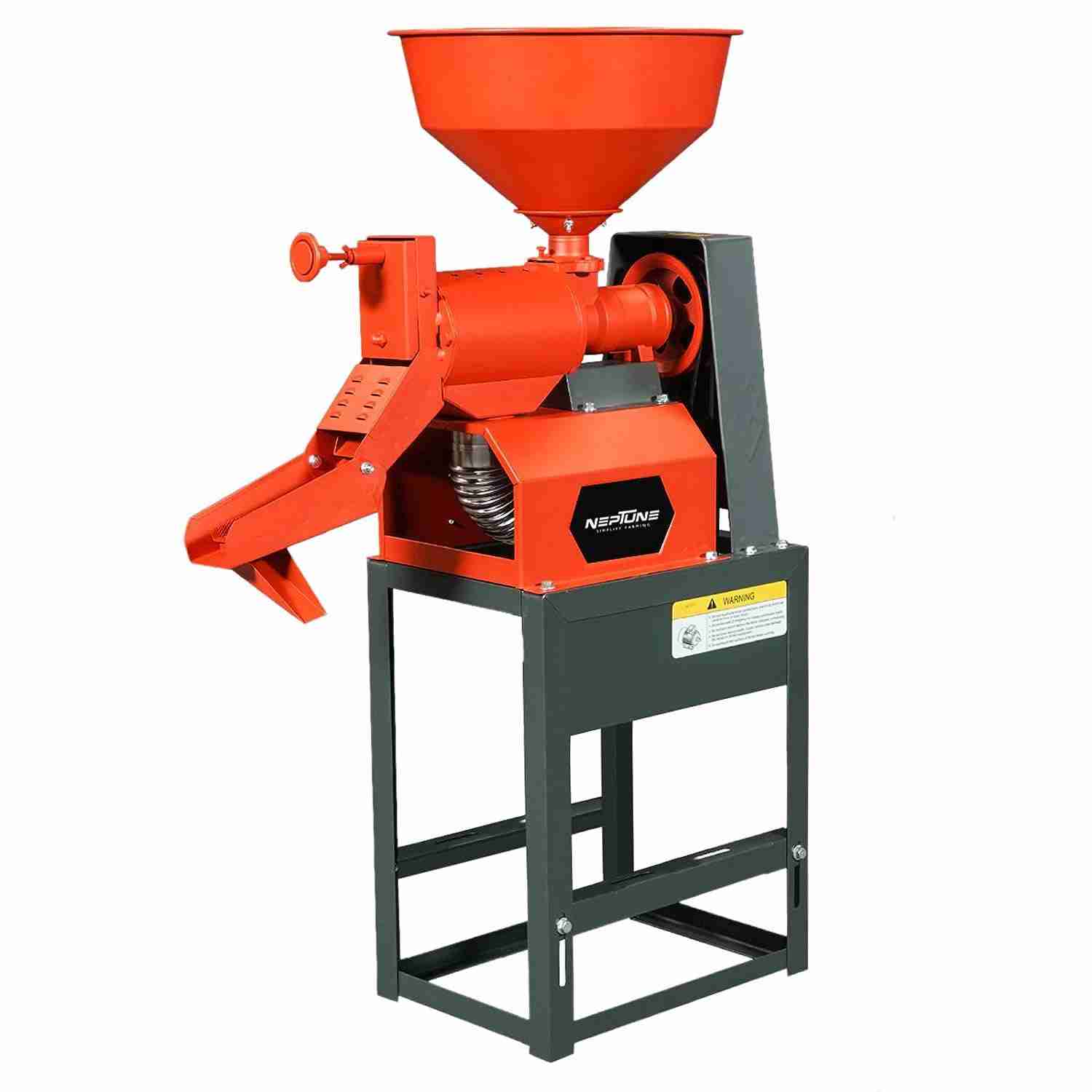
Understanding the mini rice mill and Its Impact on Small-Scale Farming
The emergence of mini rice mills marks a significant advancement in small-scale farming, transforming traditional agricultural practices into streamlined operations. With their compact size and efficient design, these mills enable farmers to process rice directly on their farms, reducing the dependency on commercial milling services. This shift not only enhances productivity but also significantly lowers costs associated with transportation and processing. As a result, farmers can optimize their resources and time, allowing them to focus on other critical aspects of their agricultural operations.
Moreover, the impact of mini rice mills extends beyond mere efficiency; they empower small-scale farmers economically and socially. By converting unhusked rice into market-ready products, farmers can increase their income while retaining greater control over the entire production process. The introduction of these mills supports local economies and fosters self-sufficiency, as farmers are less vulnerable to market fluctuations and can respond swiftly to local demand. The table below illustrates key benefits derived from adopting mini rice mills:
| Benefits | Description |
|---|---|
| Reduced Processing Time | Farmers can mill rice immediately after harvest, ensuring fresher produce. |
| Cost-Effective | Significantly lowers transportation and outsourcing costs. |
| Improved Quality | Farmers can maintain quality control over their own products. |
| Economic Empowerment | Increases farmers’ revenue by allowing them to sell directly to consumers. |

Key Features That Enhance Efficiency and Productivity
The design of the mini rice mill is centered around enhancing operational efficiency. With its compact size and lightweight structure, it can be easily installed in various agricultural environments without consuming extensive space. The machine boasts advanced milling technology that ensures a high yield of polished rice while minimizing broken grains. Additionally, it incorporates energy-efficient motors that not only reduce electricity consumption but also lower operational costs. These features work in tandem to streamline the entire rice processing workflow, transforming a traditionally labor-intensive activity into a swift and efficient process.
Incorporating a user-friendly interface, the mini rice mill simplifies the operating procedure, enabling workers of varied skill levels to manage the machine with ease. Its multi-functional capabilities allow users to perform different milling processes—like husking, whitening, and polishing—without needing separate machines. Moreover, the maintenance of the rice mill is hassle-free, with accessible components that can be cleaned or replaced quickly. This promotes consistent output quality, ultimately boosting productivity while ensuring minimal downtime. The combination of automation and innovation positions the mini rice mill as a transformative tool for rice producers seeking to optimize their operations.

Maximizing Profitability Through Strategic Investment in Mini Rice Mills
Investing in mini rice mills offers a promising pathway to enhancing profitability in the agricultural sector. These compact facilities enable farmers and entrepreneurs to reduce operational costs while maintaining high-quality productions. By leveraging modern technology, mini rice mills can streamline their processing capabilities, significantly cutting down on both time and labor. This efficiency is not only beneficial in terms of reducing overhead expenses but also in maximizing output, allowing producers to respond swiftly to market demands. Key advantages include:
- Lower Capital Investment: Mini rice mills require significantly less investment than larger counterparts.
- Scalability: They can be easily scaled up or down based on production needs.
- Resource Efficiency: Optimized energy use and reduced waste contribute to better sustainability.
- Quality Control: Enhanced control over the processing stages leads to superior product quality.
Effective strategic investments in mini rice mills can also facilitate diversification within the agricultural value chain. By producing various rice by-products—such as rice bran oil and livestock feed—farmers can tap into alternative markets, thus broadening their revenue streams. Moreover, establishing partnerships with local cooperatives and distribution networks can enhance market reach, providing better access to urban consumers. Here’s a simple overview of possible by-products and their uses:
| By-Product | Usage |
|---|---|
| Rice Bran | Animal feed & health supplements |
| Rice Flour | Baking & gluten-free products |
| Rice Husk | Biofuel & insulation |
By identifying and capitalizing on these opportunities with mini rice mills, investors can cultivate a fertile ground for long-term success, ensuring higher returns while contributing to local economies and food security.
Sustainability and Innovation: The Future of Rice Processing Technology
As the demand for sustainable agricultural practices grows, the rice processing industry is no exception. Innovations in mini rice mills herald a new era where efficiency meets eco-friendliness. These compact machines not only optimize the husking and milling process but also significantly reduce waste and energy consumption. By utilizing advanced technologies such as solar energy, automated systems, and waste heat recovery, mini rice mills are setting new standards in sustainability. They allow farmers to take control of their production, minimizing transportation needs and ensuring that the entire process—from paddy to polished rice—is conducted in a manner that aligns with environmental stewardship.
Moreover, these versatile machines cater to diverse farming conditions and scales, making them highly adaptable. With features like multifunctionality—including milling, separating, and polishing—farmers can tailor their operations to meet specific regional demands. A key aspect of this transformation is the engagement of local communities, where small-scale millers can collaborate and innovate. By investing in training and education around new technologies, farmers can leverage mini rice mills to enhance their productivity while maintaining a commitment to sustainable practices. The following table summarizes key benefits:
| Benefit | Description |
|---|---|
| Energy Efficiency | Reduces power consumption through improved technology. |
| Waste Minimization | Utilizes by-products for alternative uses, like animal feed. |
| Cost-Effectiveness | Lower operational costs empower smallholder farmers. |
| Local Empowerment | Supports community engagement and economic development. |
Wrapping Up
As we conclude our exploration of the mini rice mill revolution, it becomes clear that this compact technological marvel offers unprecedented efficiency and versatility to farmers and millers alike. With its ability to streamline operations, minimize waste, and enhance the quality of processed rice, the mini rice mill is more than just a tool; it is a catalyst for agricultural innovation and sustainability. Embracing these machines can transform not only local economies but also the global rice supply chain, ensuring that the staple grains remain accessible and affordable. As we look ahead, it is evident that the future of rice milling lies in these ingenious solutions that blend tradition with modernity. In unlocking efficiency, we step closer to a more resilient agricultural landscape, ready to meet the challenges of tomorrow.