
Unlocking Efficiency: The Rise of the Combined mini rice mill
In today’s fast-paced agricultural landscape, where the urgency for efficient production meets the necessity for sustainability, innovations in farming technology are reshaping traditional practices. Among these advancements, the combined mini rice mill stands out as a transformative solution, catering to the unique needs of smallholder farmers and rural communities. Bridging the gap between traditional methods and modern efficiency, these compact mills not only streamline the rice milling process but also empower local economies by enhancing productivity and reducing post-harvest losses. As we delve into the rise of the combined mini rice mill, we will explore its mechanics, benefits, and the impact it is having on the rice industry, ultimately highlighting how it is unlocking new levels of efficiency in agricultural practices across the globe.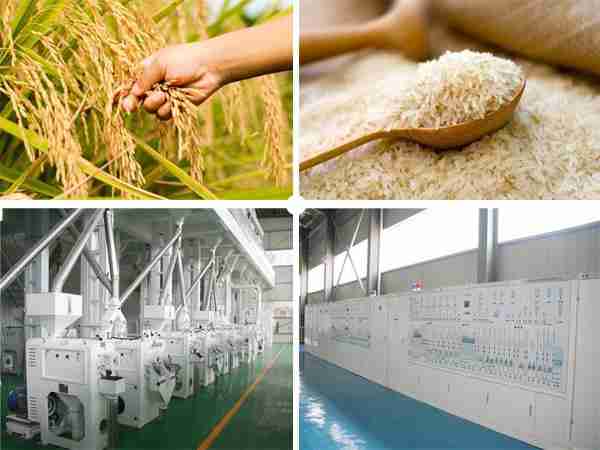
The Evolution of Rice Milling Technology and Its Impact on Productivity
The journey of rice milling technology has been marked by continuous innovation, each advancement contributing to the efficiency and productivity of rice processing. Traditional methods of milling, characterized by labor-intensive practices and outdated machinery, often resulted in low yields and high waste. However, the introduction of mechanized milling systems revolutionized the industry, allowing for increased speed and consistency in processing. Over time, advancements such as automatic huskers, whitener machines, and the latest in digital monitoring systems have created a technological landscape that supports larger scale outputs while maintaining quality. The push towards sustainability has also led to the development of eco-friendly milling systems that minimize energy consumption and waste production.
Among the most significant breakthroughs is the rise of the combine mini rice mill, which uniquely integrates multiple milling processes into a single compact unit. This innovation caters to smallholder farmers and cooperative societies, offering them the ability to mill rice efficiently without the need for extensive infrastructure. Key benefits of the combine mini rice mill include:
- Space Efficiency: Compact design suitable for small operations.
- Cost-Effectiveness: Reduced labor costs and minimal maintenance.
- Improved Quality: Consistent output with less broken rice.
- Accessibility: Ideal for rural areas with limited resources.
Furthermore, the integration of technology, such as digital interfaces for monitoring and adjusting milling parameters, has allowed operators to optimize performance with precision. The following table illustrates the key features and benefits of this innovative milling solution:
| Feature | Benefit |
|---|---|
| Multi-Functionality | Combines husking, whitening, and grading. |
| User-Friendly Design | Easier operation for untrained personnel. |
| Energy Efficiency | Reduced power consumption for sustainable milling. |
In essence, the evolution of rice milling technology exemplifies the shift towards automation and efficiency. The combine mini rice mill stands at the forefront of this transformation, making rice milling not only accessible but also more productive than ever before.
Key Features of Combine Mini Rice Mills That Maximize Efficiency
Combine mini rice mills are a game changer in modern agricultural practices, designed to streamline the rice milling process. One of their most significant advantages is the integrated processing capability, allowing farmers to perform multiple tasks such as husking, milling, and polishing in a single machine. This integration not only saves time but also reduces the need for multiple machines, therefore cutting down on maintenance costs. Additionally, the compact design of these mills means they can be easily transported and set up in various locations, making them ideal for small-scale farmers or rural cooperatives.
Another key feature that sets these mini mills apart is their energy efficiency. These machines are built with advanced technology that minimizes power consumption while maximizing output. With reduced energy needs, operators can find significant savings on operational costs. Furthermore, many combine mini rice mills are equipped with smart monitoring systems that allow for real-time performance tracking and optimal working conditions. This level of automation ensures higher precision and consistency in rice quality, aligning with current market demands.
| Feature | Description |
|---|---|
| Integrated Processing | Combines husking, milling, and polishing in one machine. |
| Compact Design | Space-saving and easy to transport for mobility. |
| Energy Efficiency | Reduced power consumption for cost savings. |
| Smart Monitoring | Real-time performance tracking for optimal operations. |

Sustainable Practices in Mini Rice Milling: A Path to Eco-Friendly Production
In the evolving landscape of rice milling, integrating sustainable practices is becoming increasingly essential for both producers and the environment. The combine mini rice mill stands at the forefront of this transformation, offering innovative solutions that significantly reduce waste and energy consumption. By adopting these eco-friendly processes, mill operators can ensure they contribute positively to the ecosystem. Some notable sustainable practices include:
- Energy Efficiency: Utilizing advanced machinery that consumes less power.
- Zero Waste Milling: Focusing on techniques that maximize grain recovery while minimizing by-products.
- Reduced Water Usage: Implementing closed-loop systems to recycle water effectively during processing.
Moreover, the adoption of sustainable harvesting methods further complements the operations of mini rice mills. These mills can promote local sourcing of raw materials to boost community economies and reduce transportation emissions. Investing in eco-friendly practices does not merely enhance sustainability but can also provide a competitive edge in the market. Below is a simple comparison of traditional milling versus mini rice milling in terms of their environmental impact:
| Aspect | Traditional Milling | Mini Rice Milling |
|---|---|---|
| Energy Consumption | High | Low |
| Waste Generation | Substantial | Minimal |
| Water Usage | High | Reduced |
Choosing the Right Combine mini rice mill: Essential Considerations for Farmers
When selecting a combine mini rice mill, farmers should carefully evaluate several key factors to ensure they make the most informed decision for their operations. Capacity is paramount; understanding the scale of production will help in choosing a mill that can meet the demands of their harvest without incurring unnecessary downtime. Additionally, engine power plays a crucial role, as it directly influences efficiency. A more robust engine can handle tougher grains and larger volumes, making the milling process smoother.
Another critical aspect to consider is the quality of milling. The technology used in the mill will determine the quality of the rice output, including its taste, texture, and appearance. Farmers should also assess the machine’s durability and maintenance requirements. A reliable mill should require minimal maintenance while still offering longevity. To aid in the selection process, consider the following:
- Energy source: Electric vs. diesel-operated
- Mobility: Fixed or portable options
- Price range: Budget considerations and financing options
Wrapping Up
As we draw the curtain on our exploration of the Combine mini rice mill, it becomes clear that this innovative machinery is not just a technological advancement; it is a beacon of hope for farmers and millers alike. By marrying efficiency with accessibility, the mini rice mill has the potential to transform the agricultural landscape, particularly in regions where larger equipment has long been out of reach.
The journey toward unlocking efficiency in rice processing is filled with promise, reflected in the growing adoption of these mini mills. As we embrace this transformation, it’s essential to recognize the ripple effects that improved rice milling can have on local economies, food security, and sustainable farming practices.
In this era of rapid change, the Combine mini rice mill stands as a testament to what can be achieved when innovation meets necessity. With each grain it processes, it paves the way for a more efficient future—one where every farmer has the tools they need to thrive. As we move forward, let us continue to support advancements that empower our agricultural community, ensuring that efficiency is not just a goal, but a reality for all.




