
In a world where time is money and efficiency reigns supreme, the agricultural sector is looking for innovative solutions to meet the demands of a rapidly changing marketplace. Among these solutions, mini rice mill plants are emerging as game-changers, offering promising alternatives to traditional milling processes. These compact and versatile systems not only streamline operations but also enhance productivity and profitability for farmers and small-scale entrepreneurs. As rice remains a staple food for billions, understanding the advantages of mini rice mill plants is critical in unlocking new avenues for growth in this vital industry. From cost savings to increased processing speed, this article delves into the transformative potential of mini rice mill plants and explores how they can revolutionize rice production, one grain at a time.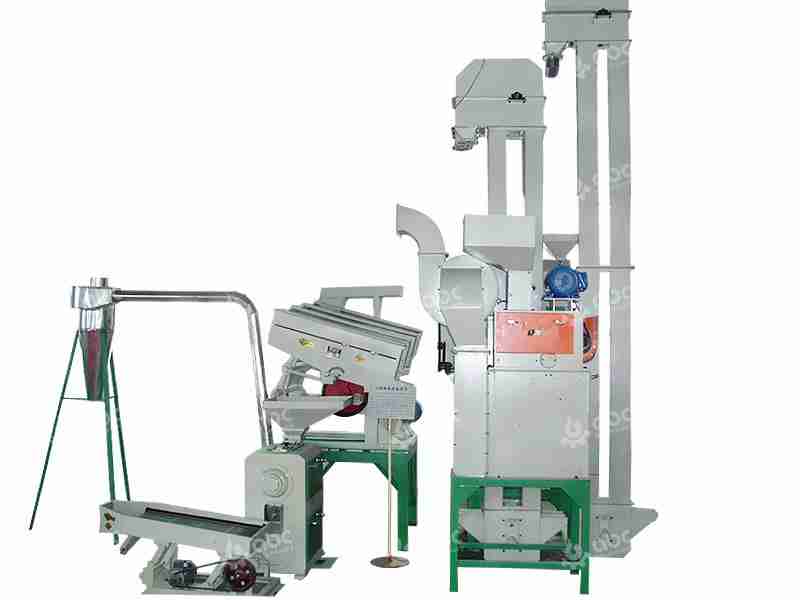
Exploring the Advantages of mini rice mill Plants for Small Scale Farmers
For small-scale farmers, adopting a mini rice mill plant can transform their production capabilities and significantly enhance their overall efficiency. These compact milling solutions allow farmers to process rice more quickly and sustainably, enabling them to meet market demands without the burden of outsourcing their milling needs. The benefits of having a mini rice mill on-site include:
- Cost-Effective Processing: Farmers save on transportation and milling fees, ensuring a higher profit margin on their produce.
- Quality Control: By milling their own rice, farmers can maintain the quality and freshness of their product, which can lead to better pricing.
- Flexible Scheduling: Mini rice mills allow for on-demand processing, which means farmers can mill at their convenience, reducing waste.
- Customization: Farmers can produce different varieties and grades of rice, tailoring their output to specific market preferences.
In addition to economic savings, mini rice mill plants offer technological advantages that support the farmer’s journey towards sustainability. These mills typically incorporate energy-efficient features and compact designs, allowing for easier maintenance and lesser ecological impacts. Furthermore, localizing the milling process builds community resilience by:
| Advantage | Description |
|---|---|
| Job Creation | Establishing local milling facilities increases employment opportunities in rural areas. |
| Resource Efficiency | Minimized waste as byproducts like husks can be reused for feed or energy. |
By harnessing these innovative solutions, small-scale farmers can not only boost their productivity but also foster economic growth within their communities, showcasing how technology can empower traditional practices.

Enhancing Productivity Through Advanced Technology and Automation
In today’s competitive agricultural landscape, mini rice mill plants are revolutionizing the way rice processing is approached. Advanced technology has equipped these facilities with the ability to optimize operations, significantly enhancing overall productivity. By automating tasks such as milling, husking, and sorting, these plants reduce human error and processing time. This not only leads to a higher yield of quality rice but also allows for consistent production outputs. With energy-efficient machines, mini rice mill plants are designed to lower operational costs while maximizing the use of available resources, which is crucial for small to medium-sized enterprises.
The integration of smart technology into rice milling processes is another game changer. Modern mini rice mills utilize IoT solutions to monitor and manage equipment in real-time, ensuring that adjustments can be made instantly for peak performance. The benefits extend beyond just manufacturing efficiency; they also include:
- Data accuracy for better decision-making.
- Less waste due to precise milling techniques.
- Enhanced quality control through automated grading systems.
This synergy between technology and automation transforms the traditional rice milling sector, paving the way for future growth and sustainability.
| Feature | Benefit |
|---|---|
| Automation | Reduces labor costs and improves efficiency |
| IoT Integration | Real-time monitoring for optimal operation |
| Energy Efficiency | Lowers operational expenses |

Cost-Effective Solutions: Maximizing Profit Margins in Rice Production
In today’s competitive agricultural landscape, maximizing profit margins is crucial for rice producers. One way to achieve this is by investing in mini rice mill plants, which offer a range of cost-effective solutions. These compact facilities reduce transportation costs for raw and processed materials, as they can be set up close to rice cultivation areas. Furthermore, mini mills consume less power and require fewer labor resources compared to traditional rice milling setups. This efficiency can lead to significant savings, allowing farmers to reinvest in their operations or improve their quality of life.
The operational simplicity of mini rice mills contributes to their cost-effectiveness. Unlike larger counterparts, these plants can be operated with minimal technical knowledge, reducing the need for extensive training. Additionally, they are scalable—modular designs allow producers to expand capacity without hefty investments. Key benefits include:
- Reduced wastage: Enhanced processing techniques minimize grain loss.
- Shorter processing times: Quick turnaround boosts overall productivity.
- Local sourcing: Cost savings from using locally sourced materials.
To further illustrate the benefits, consider the following comparative table:
| Feature | Traditional Mills | Mini Rice Mills |
|---|---|---|
| Initial Investment | High | Low |
| Energy Consumption | High | Low |
| Labor Requirement | High | Low |
These factors not only enhance the profitability of rice production but also enable farmers to adapt to market fluctuations more agilely. By embracing mini rice mill plants, rice producers position themselves for sustainable growth in a challenging economic environment.
Sustainable Practices: Promoting Eco-Friendly Approaches in Milling Operations
In the evolving landscape of agriculture and food production, incorporating eco-friendly approaches into milling operations can significantly enhance sustainability. mini rice mill plants, with their compact design and efficient functioning, serve as a prime example of promoting such practices. By utilizing renewable energy sources, these facilities minimize their carbon footprint. Implementing advanced technology allows for energy-efficient milling processes, reducing electricity consumption while also conserving water usage during rice processing. By adopting mechanical innovations like bio-fuel-driven engines and energy recovery systems, these mills not only enhance productivity but also support environmental responsibility.
Moreover, the operational scale of mini rice mill plants allows for sustainable sourcing and waste management strategies that larger facilities may overlook. For instance, agricultural by-products generated during milling can be redirected towards value-added solutions such as animal feed or biomass fuel. This closed-loop system not only promotes waste reduction but also supports local economies. Below is a simple overview of sustainable practices integrated within mini rice mill operations:
| Practice | Benefit |
|---|---|
| Use of Renewable Energy | Reduces carbon emissions |
| Water Conservation Techniques | Minimizes resource depletion |
| By-product Utilization | Promotes circular economy |
Insights and Conclusions
In a world where efficiency and sustainability reign supreme, mini rice mill plants emerge as a beacon of innovation in the agricultural landscape. They not only streamline the processing of rice but also empower local farmers, enhance food security, and promote economic growth in rural communities. As we embrace these compact powerhouses, we unlock a myriad of benefits—from reducing labor costs and conserving resources to improving the quality of the end product. The journey towards agricultural modernization is paved with opportunities, and mini rice mill plants are a vital stepping stone in this transformative path.
As we move forward, it’s essential to harness these advancements thoughtfully and responsibly, ensuring that they cater to the needs of both producers and consumers alike. By investing in technology that champions efficiency without compromising quality, we foster a sustainable future for the rice industry and beyond. The time has come to reconsider traditional practices and embrace the future of rice milling—efficient, effective, and inherently rewarding. Let us look ahead to a new era where mini rice mill plants not only serve our immediate needs but also pave the way for a more resilient and sustainable agricultural system.




