
In a world where time is as precious as the grains that sustain us, the agricultural landscape is undergoing a remarkable transformation. Enter the mini rice mill revolution, a game-changing innovation that promises to redefine efficiency in rice production and processing. As the backbone of countless diets around the globe, rice is not just a staple food; it is a symbol of sustenance and prosperity. Yet, traditional milling practices have often left farmers at the mercy of inefficiencies, waste, and labor-intensive processes. This article delves into the surge of mini rice mills—compact, cost-effective, and powerful solutions that are empowering farmers, enhancing productivity, and, ultimately, revolutionizing the entire rice industry. Join us as we explore the technological advancements, economic impacts, and future prospects of this burgeoning movement, unlocking new possibilities for a crop that has nourished humanity for millennia.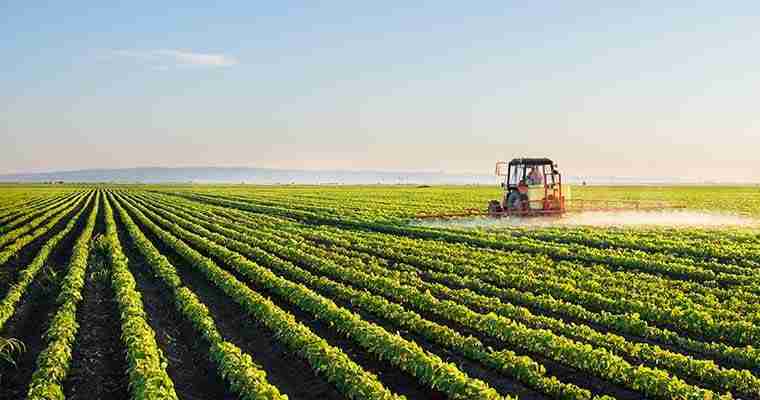
Redefining Agriculture: The Role of Mini Rice Mills in Modern Farming
In the landscape of modern farming, the introduction of mini rice mills has fundamentally transformed the way rice is processed, bringing efficiency to the forefront of agricultural practices. These compact systems integrate multiple stages of rice milling, offering farmers a streamlined approach that minimizes the need for large-scale processing facilities. Cost-effective and easy to operate, mini rice mills empower local farmers by providing them with the ability to mill their own rice right on-site, significantly reducing transportation costs and processing times. This not only enhances the freshness of the rice but also allows for better quality control, leading to higher market value.
The technological advancements embedded in mini rice mills are evident in their design and functionality. Equipped with features such as automatic grain separation and energy-efficient motors, these mills ensure that rice is processed with minimal waste and maximum yield. The impact of these mills goes beyond mere functionality; they foster self-sufficiency among smallholder farmers, create jobs within local communities, and contribute to food security. As farmers embrace these innovative tools, the ripple effects can be seen through improved livelihoods and enhanced agricultural sustainability.

Streamlining Production: Benefits of Mini Rice Mills for Smallholder Farmers
The landscape of rice production is being transformed by the emergence of mini rice mills, especially for smallholder farmers. By adopting these compact milling units, farmers can significantly enhance their operational efficiency. Mini rice mills are designed to be both affordable and easy to operate, enabling farmers to process their harvests right at the farm itself. This local processing reduces dependency on traditional, large milling facilities which often require long transportation distances. Consequently, farmers experience a reduction in post-harvest losses, ensuring a higher yield from their crops.
The benefits of adopting mini rice mills extend beyond just convenience. These mills contribute to:
- Cost-Effectiveness: Lower operational costs compared to conventional milling.
- Quality Output: Improved milling techniques resulting in better quality rice.
- Time Savings: Faster processing times allow farmers to focus on other essential farm activities.
- Job Creation: Opportunities for local employment as milling can be a community-centered effort.
To illustrate the impact of mini rice mills, here’s a brief comparison between traditional mills and mini mills:
| Aspects | Traditional Mills | Mini Rice Mills |
|---|---|---|
| Cost | Higher operational costs | Lower costs |
| Processing Location | Centralized facilities | On-farm processing |
| Processing Time | Lengthy | Quick and efficient |
| Post-Harvest Loss | Higher risk | Minimized |
With the mini rice mill revolution, smallholder farmers are not just increasing their productivity but also reclaiming control over the quality and fate of their rice crops. Embracing these innovations empowers them to thrive in an ever-competitive agricultural landscape.

Sustainability in Action: Environmental Impacts of Mini Rice Milling
The advent of mini rice milling technology has made significant strides toward reducing ecological footprints across rice farming communities. With smaller equipment and localized processing capabilities, mini rice mills ensure that fewer resources are consumed while also decreasing transportation-related emissions. By empowering local farmers to process their own produce, we see a profound disruption of traditional, large-scale milling which often imposes heavy energy demands. This transition not only preserves the nutritional integrity of the rice but also fosters a stronger connection between farmers and their crops. By embracing this technology, we improve performance metrics while conserving energy and reducing waste.
Moreover, the sustainability benefits extend beyond just energy savings. Mini rice milling systems are designed to minimize post-harvest losses and reduce water usage, which are critical factors in food security. When we consider the environmental impact of traditional milling processes, several factors come into play:
| Environmental Impact Factor | Traditional Milling | Mini Rice Milling |
|---|---|---|
| Energy Consumption | High | Low |
| Transportation Emissions | Significant | Minimal |
| Waste Generation | High | Lower |
| Water Usage | High | Reduced |
By highlighting the ecological merits of mini rice milling, we can inspire more farmers to adopt these innovative practices. In essence, this movement is not only about efficiency; it symbolizes a transition toward a more sustainable agrarian future, where every grain is valued and every resource optimized.
From Farm to Table: Enhancing Supply Chains through mini rice mill Technology
In the quest to create a more sustainable and efficient agricultural landscape, mini rice mills are emerging as game-changers, transforming how rice is processed and distributed. These compact machines are designed for optimal performance, allowing farmers to easily process their harvest on-site. By reducing the dependency on large-scale mills, which often require long-distance transportation, mini rice mills help to minimize post-harvest losses and maintain the quality of the rice. This localized approach not only empowers farmers but also reinforces food security within communities, fostering an ecosystem where every grain counts.
The integration of mini rice mills into the supply chain streamlines the journey from farm to table, effectively enhancing market accessibility for small and medium-sized farmers. Benefits of this technology include:
- Reduced Processing Time: Farmers can process rice immediately after harvesting, preserving freshness.
- Lower Transportation Costs: On-site milling eliminates the need for lengthy transportation to mills, saving time and resources.
- Accessibility to Quality Products: Consumers enjoy fresher, locally milled rice, while farmers gain higher market value.
Furthermore, adopting mini rice mills can lead to improved economic conditions in rural areas. A simplified overview of the impact reveals:
| Impact | Description |
|---|---|
| Increased Profit Margins | Direct processing leads to better pricing for farmers. |
| Employment Opportunities | New businesses can emerge around mini milling, creating jobs. |
| Community Development | Strengthens local economies through sustainable practices. |
Closing Remarks
the mini rice mill revolution signifies more than just a technological advancement; it embodies a transformative shift in agricultural practices that promises to enhance efficiency, reduce waste, and empower farmers. As we unlock the potential of these compact, innovative machines, we not only streamline the intricate process of rice milling but also contribute to a more sustainable future for agrarian communities. By bridging the gap between traditional methods and modern requirements, mini rice mills stand as a testament to human ingenuity and resilience, ensuring that the staple grain maintains its vital role in feeding nations. As we look ahead, embracing this revolution may well prove to be the key to not only unlocking efficiency but also cultivating a brighter agricultural landscape for generations to come.




