
Unlocking Efficiency: A Guide to mini rice mill Plants
In a world where efficiency and sustainability take center stage, the agricultural sector continues to innovate and adapt to meet the ever-growing demands of global food production. Among these innovations, mini rice mill plants have emerged as a transformative force in the realm of rice processing. These compact yet powerful systems not only maximize output but also significantly reduce waste and energy consumption, making them an appealing choice for small-scale farmers and entrepreneurs alike. This guide delves into the fundamentals of mini rice mill plants, exploring their design, functionality, and the myriad of benefits they bring to the table. Join us as we unlock the secrets to enhancing productivity and profitability in rice milling, paving the way for a more efficient future in agriculture.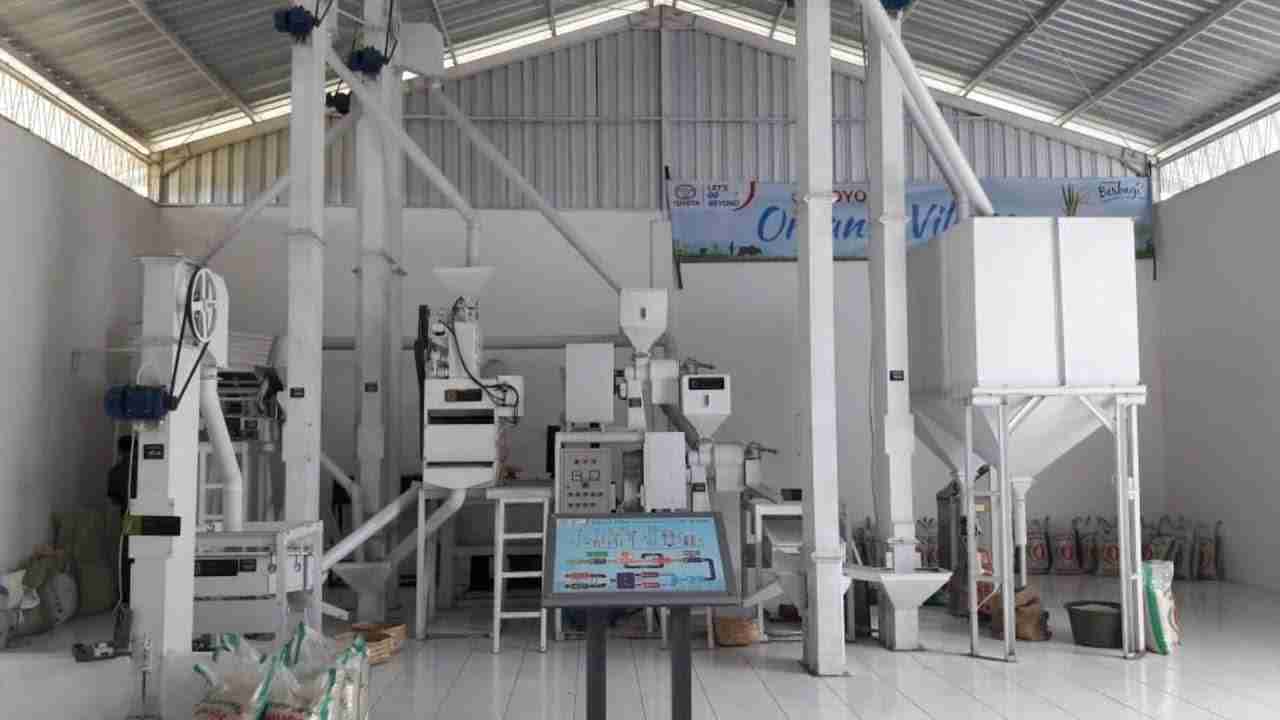
Understanding the mini rice mill Plant Concept
The concept of a mini rice mill plant revolves around the efficient processing of paddy into rice, tailored for small to medium-scale operators. Unlike larger industrial rice milling setups, these plants are designed to optimize space and minimize energy consumption while maintaining high output quality. They offer an ideal solution for local farmers and entrepreneurs looking to establish their own rice production ventures without needing hefty capital investment. A typical mini rice mill can handle varying capacities, making it versatile for different market demands.
Key components of a mini rice mill plant include:
- Pre-cleaner: Removes dirt and impurities before milling.
- De-husker: Separates rice from the husk to yield brown rice.
- Polisher: Enhances the appearance and quality of the rice.
- Sifter: Ensures uniformity by separating broken rice from whole grains.
Moreover, mini rice mill plants are designed to be compact and user-friendly, often requiring minimal training for operation. Their operational efficiency not only reduces waste but also contributes to sustainable agricultural practices by allowing farmers to retain value within their communities. With the right technology and proper management, these plants can contribute immensely to improving local economies and ensuring food security.
| Feature | Benefits |
|---|---|
| Compact Size | Easy installation and minimal space requirement. |
| Cost-Effective | Lower initial investment compared to large mills. |
| Energy Efficient | Reduces electricity and operational costs. |
Key Components for Optimal Performance
To achieve the best results in a mini rice mill plant, several essential elements must be meticulously considered and optimized. One of the most critical components is the quality of raw materials. The type of rice utilized can significantly influence the milling process and the final product’s quality. Therefore, sourcing fresh, high-grade paddy rice is paramount. Additionally, investing in high-performance machinery that guarantees efficient processing can aid in minimizing waste and maximizing output. Regular maintenance of equipment ensures that operations run smoothly and helps avoid unexpected downtimes.
Another vital factor is the layout and workflow of the mini rice mill plant. Creating a streamlined process that allows for easy movement between various milling stages—from pre-cleaning and dehusking to whitening and packing—enhances overall productivity. It’s beneficial to implement automated systems wherever possible to reduce manual labor and increase consistency in processing times. Consideration should also be given to environmental controls, such as temperature and humidity regulation, which can impact both machinery and finished product quality. Below is a simple outline of these components:
| Component | Importance |
|---|---|
| Quality of Raw Materials | Influences milling efficacy and product standard |
| Machinery Performance | Minimizes waste, maximizes output |
| Process Layout | Enhances workflow efficiency |
| Automation | Reducing manual errors and labor weight |
| Environmental Control | Ensures stable product quality |

Streamlining Operations for Maximum Output
To achieve the highest efficiency in mini rice mill plants, it’s crucial to implement several strategies that optimize every aspect of the operation. One effective approach is to invest in technology that automates processes, reducing the need for manual labor. By adopting advanced milling machinery, operators can increase both speed and precision, ensuring that rice is processed with minimal waste. Other essential practices include:
- Regular Maintenance: Scheduled checks and maintenance on machinery prevent unexpected breakdowns.
- Staff Training: Investing in workforce training enhances skill sets, leading to better overall productivity.
- Inventory Management: Efficient inventory systems ensure that raw materials are readily available when needed, reducing downtime.
Analyzing production metrics is another vital aspect of enhancing output. Keeping track of data such as processing times and yield rates allows operators to identify bottlenecks and areas for improvement. By leveraging this data, mini rice mill managers can make informed decisions that enhance operational workflows. A simple overview of key performance indicators might look something like this:
| Metric | Current Performance | Target Performance |
|---|---|---|
| Processing Time (hrs) | 6 | 4 |
| Yield Rate (%) | 90 | 95 |
| Waste Percentage (%) | 10 | 5 |
By continuously monitoring these metrics and adjusting operational strategies accordingly, rice mill operators can significantly enhance overall efficiency, leading to higher output and profitability.
Cost-Effective Practices for Sustainable Growth
Embracing cost-effective practices can significantly enhance the sustainability of mini rice mill plants. One of the first steps is to optimize resource management by implementing energy-efficient machinery and utilizing renewable energy sources. This not only reduces long-term operational costs but also lessens the environmental impact. Furthermore, incorporating efficient water management systems can lead to significant savings, making the processing of rice more sustainable. Some practical measures include:
- Regular maintenance: Ensures machinery operates at peak efficiency.
- Investing in training: Skilled labor can maximize output while minimizing waste.
- Utilizing by-products: Recycle husks and bran for animal feed or composting.
Another essential practice is the establishment of smart supply chain management. By fostering local partnerships and sourcing materials from nearby suppliers, mini rice mills can reduce transportation costs and engage in circular economy practices. It’s also beneficial to implement data analytics aimed at forecasting market demands and optimizing production schedules. The following table illustrates potential cost savings associated with improved supply chain practices:
| Practice | Estimated Savings (%) | Environmental Benefit |
|---|---|---|
| Local sourcing | 15-20% | Reduces carbon footprint |
| Efficient inventory management | 10-15% | Minimizes wastage |
| Transportation optimization | 5-10% | Lower emissions |
Final Thoughts
As we draw the curtain on our exploration of mini rice mill plants, it’s evident that these compact powerhouses play a pivotal role in enhancing productivity and sustainability in the rice milling industry. By embracing modern technology and optimized processes, small-scale farmers and entrepreneurs can unlock new avenues for success, thereby contributing to food security and local economies.
Whether you are an aspiring mill owner, a seasoned farmer, or simply someone curious about the agricultural landscape, the insights shared in this guide provide a springboard for innovation and growth. The journey toward efficiency is not without its challenges, but with the right knowledge and tools, the potential for transforming rice milling into a lucrative venture is at your fingertips.
As we step into an era of increased demand for quality rice and eco-conscious practices, mini rice mill plants stand as a testament to the power of adaptation and ingenuity. It’s time to harness these principles, embrace the future of rice milling, and cultivate a thriving agricultural landscape that benefits all. Together, let’s sow the seeds of efficiency and reap bountiful rewards for generations to come.




