In the heart of rural landscapes and bustling agricultural hubs, a quiet revolution is taking place—one that is reshaping the way small-scale farmers engage with the rice economy. Mini rice mill plants are emerging as game-changers, offering a blend of efficiency and accessibility that empowers producers while fostering local food systems. As the demand for rice continues to rise, understanding the intricacies of these compact yet powerful milling solutions becomes essential. This article delves into the world of mini rice mill plants, exploring their myriad benefits, the crucial setup costs involved, and the key considerations for those looking to embark on a small-scale milling venture. Weather you are a budding entrepreneur or an established farmer seeking to optimize your operations, join us as we unravel the potential of mini rice mills in enhancing productivity and profitability in the grain sector.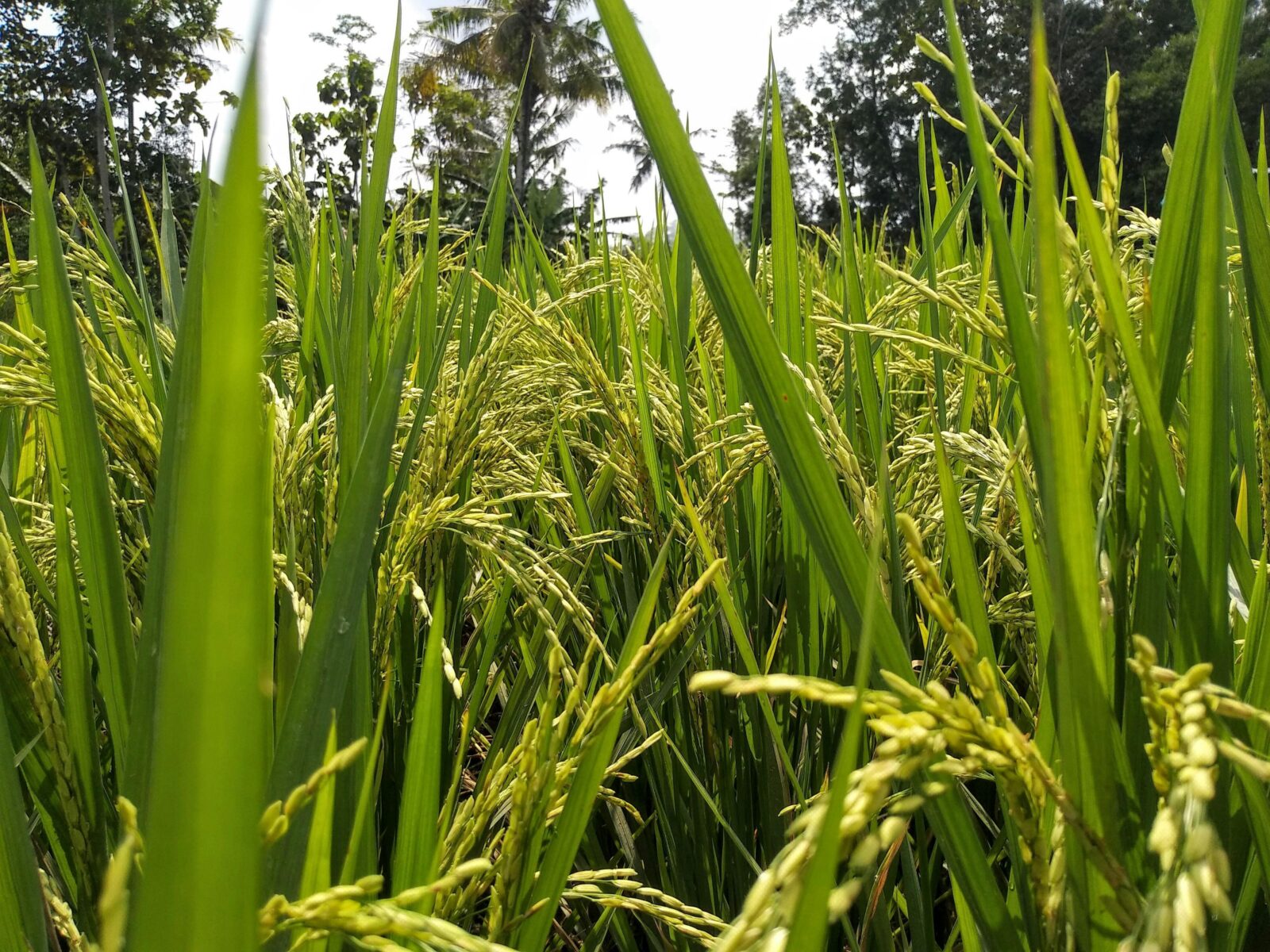
Exploring the Basics of Mini rice Mill Plants and Their Growing Demand
Mini rice mill plants have become a pivotal component in the agricultural sector, especially for small-scale farmers looking to increase productivity and maximize profits.At their core, mini rice mills are compact processing units designed to convert rough paddy into market-ready rice with minimal investment. Typically, these plants are equipped with machinery that performs hulling, milling, and polishing efficiently, making them ideal for rural and semi-urban areas.The increasing demand for rice,primarily due to rapidly growing populations and dietary shifts,has escalated the necessity for small-scale milling. Farmers who own mini rice mills not only save costs associated with transportation and processing but also ensure better quality control over their product, leading to higher market prices for their harvested grains.
The benefits of integrating a mini rice mill into farming operations extend beyond just efficiency. Key advantages include:
- Cost-Effectiveness: Lower initial investment compared to larger setups, with typical costs ranging from $10,000 to $50,000 depending on capacity and features.
- enhanced Accessibility: Localized processing enables farmers to avail fresh rice milling services without the need to travel long distances.
- Quality Control: Direct oversight allows farmers to maintain high-quality standards, which can lead to increased customer loyalty and higher sales.
Challenges do exist, such as the need for skilled labor and consistent maintenance of machinery, which should not be overlooked during the setup phase. To optimize operations, it is indeed advisable to conduct market research to understand local demand and pricing structures, helping to carve out a lucrative niche in the rice milling industry.
Unlocking the Advantages of Mini rice mill Operations for Small-Scale Entrepreneurs
Mini rice mills have emerged as valuable assets for small-scale entrepreneurs, offering a multitude of advantages that cater to both new and experienced business owners. Understanding these benefits is crucial for anyone considering an investment in this sector. Firstly, the cost-effectiveness of establishing a mini rice mill is meaningful. The initial setup costs are substantially lower than those of larger factories, making it accessible for budding entrepreneurs. Moreover, these mills are designed to process smaller batches, which translates to reduced operational costs, allowing for a more manageable entry into the market. Other benefits include:
- Versatility in Operations: Operators can adjust production volumes based on demand.
- Higher Quality Output: Mini rice mills enhance quality through better control over the milling process.
- Low power Consumption: These machines are energy-efficient, leading to lower energy bills.
- Localized Production: Serving local markets helps reduce transportation costs and supports regional economies.
Tho, potential challenges must be acknowledged. Entrepreneurs may face issues such as inconsistent supply of paddy, equipment maintenance, and market competition. Addressing these problems proactively is essential for sustaining operations. As a recommendation, aspiring mill operators should consider collaborative arrangements with local farmers to ensure a steady supply chain. this can also create stronger community ties and enhance the sustainability of their business. Lastly, conducting a comparative analysis of different mini rice mill models can help determine the best fit for specific operational needs, balancing capacity, size, and cost efficiently.
Navigating Setup Costs and Financial Considerations in Mini Rice Milling
Setting up a mini rice milling plant is an appealing venture for small-scale entrepreneurs, primarily due to its growth potential and profitability. Though, it’s crucial to thoroughly understand the setup costs and financial considerations involved. Initial investment typically includes a range of factors:
- Equipment Purchase: Depending on the desired capacity and technology, rice milling machinery can range from $10,000 to $50,000. Essential components include a cleaner, de-husker, and milling machine.
- Infrastructure: Costs related to setting up a facility, such as rent, utilities, and renovations, can add another $5,000 to $20,000.
- Licensing and Permits: Depending on local regulations, securing necessary licenses might cost between $1,000 to $5,000.
- Operational Expenses: Ongoing costs like labor,maintenance,and marketing should be factored into your budget,estimating approximately $500 to $2,000 monthly.
Understanding these costs can help in precise financial planning. Additionally, consider potential funding options such as bank loans, government grants, or partnerships that could ease the financial burden. Cost management strategies also play a vital role. For instance, opting for high-efficiency machines might result in higher initial spending but could save on energy and operational costs in the long run. Comparing different equipment suppliers can provide insights into varying price points and machinery quality, ensuring that you get the best return on your investment. With proper planning and financial management, a mini rice mill can not only break even but also become a lasting business that thrives in a competitive agricultural landscape.
Debunking Common Misconceptions About Mini rice Mills and Their Efficiency
Many misconceptions circulate regarding mini rice mills, particularly concerning their efficiency and adaptability to small-scale operations. One prevalent myth is that mini rice mills are not capable of processing large quantities of rice efficiently compared to traditional, larger mills. However, modern mini rice mills are designed with advanced technology that can offer notable output rates, often ranging from 500 to 1,000 kg per hour. This capability enables small producers to meet local demand effectively while maintaining the quality of rice, debunking the myth that smaller capacity equates to lesser efficiency.
another common misunderstanding is that mini rice mills are challenging to operate and maintain. in fact, these machines are typically user-friendly and require minimal training to operate. Many models come equipped with automatic functions to streamline the milling process, reducing the need for constant manual intervention. Additionally, maintenance is straightforward due to the availability of spare parts and accessible service options. Hear are some essential points that highlight the practicality of mini rice mills:
- Cost-Effectiveness: Mini rice mills have lower setup and operational costs, making them ideal for small entrepreneurs.
- Space Requirements: They require less physical space, which is beneficial for small-scale operations.
- energy Efficiency: Many models operate with reduced energy consumption, further increasing their economic feasibility.
- Quality Maintenance: They often produce rice with higher quality in terms of taste and nutritional value.
When evaluating mini rice mills, always consider your specific needs and local market demands to select a model that maximizes efficiency without sacrificing quality.
Key Takeaways
As we conclude our exploration of mini rice mill plants, it’s clear that these compact powerhouses hold significant promise for small-scale operations. They not only offer a pathway to self-sufficiency and profitability but also enhance local economies by providing job opportunities and supporting community resilience.
Understanding the benefits, setup costs, and key considerations involved in establishing a mini rice mill plant equips aspiring entrepreneurs with the knowledge they need to make informed decisions. Whether you are an established farmer looking to diversify or a passionate newcomer eager to enter the agricultural sector, the insights gained from this article can serve as a foundation for success.
In a world where sustainability and efficiency are paramount,investing in a mini rice mill plant can be a transformative step towards fostering innovation in the agricultural landscape. As technology evolves and practices become more refined, these small-scale operations could play a pivotal role in shaping the future of rice production, one batch at a time.
So, as you venture forth into this potentially rewarding domain, keep in mind the challenges and opportunities that lie ahead.With the right readiness, vision, and dedication, your mini rice mill could become a vital part of both your journey and the community it serves. Happy milling!