
In a world where food security and sustainability are becoming increasingly paramount, the humble grain stands at the forefront of innovation. Among these staple crops, rice has always been a key player, nourishing billions and forming the backbone of countless cuisines. Yet, as demand grows and traditional milling practices face challenges, a technological renaissance is underway—ushering in the era of mini rice milling machines. These compact, efficient devices are not merely a convenience; they represent a fundamental shift in how we process grains. As we delve into the transformative impact of these machines, we will explore how they are revolutionizing rice milling, empowering small-scale farmers, promoting efficiency, and ensuring that the grains of the future can be harvested, processed, and enjoyed with unprecedented ease. Join us on this journey to discover how a small machine is making a big difference in the world of grains.
Transforming Traditional Agriculture with Mini Rice Milling Technology
The landscape of agriculture is undergoing a significant transformation, spearheaded by the introduction of cutting-edge mini rice milling technology. These compact machines are not just a boon for large-scale rice producers but are also empowering small farmers, ensuring they have access to efficient milling processes. With rising demand for quality rice, mini rice mills offer a way to produce higher yield while preserving the essential nutrients and taste of the grain. This accessibility allows farmers to process their own rice, reducing dependence on distant milling facilities and decreasing transportation costs.
By integrating modern technology with traditional practices, farmers can now enjoy the following benefits:
- Cost-effectiveness: Lower operational costs compared to larger milling systems.
- Quality Maintenance: Enhanced control over the milling process, leading to better quality rice.
- Time Efficiency: Faster processing times enable a quicker turnaround from paddy to market.
- Environmental Impact: Reduced energy consumption and waste, promoting sustainable practices.
These innovations are paving the way for a more resilient agricultural sector, where efficiency meets sustainability. As mini rice milling machines become more widespread, their emergence can be visualized through a simple comparison of traditional milling methods versus modern approaches:
| Traditional Milling | Mini Rice Milling Technology |
|---|---|
| Labour-intensive processes | Automated operations |
| High transport costs for rice processing | On-farm processing capabilities |
| Longer processing times | Instant milling solutions |
| Inconsistent quality | Quality assurance and control |
The shift towards mini rice milling technology is not just a mechanical upgrade but also a cultural revival, bringing farming communities closer to the heart of rice production. This new era encourages a spirit of entrepreneurship, where farmers can now take pride in producing high-quality rice directly for their communities and beyond.

Enhancing Efficiency and Sustainability in Small-Scale Rice Production
As the demand for rice continues to rise globally, the need for efficient and sustainable production methods becomes ever more pressing. Mini rice milling machines are at the forefront of this revolution, offering small-scale farmers an opportunity to streamline their operations while minimizing environmental impact. These compact machines are designed to process rice more efficiently, reducing waste and energy consumption. By utilizing innovative technologies, such as mechanical huskers and advanced milling techniques, these machines can produce high-quality rice with a significantly lower carbon footprint compared to traditional milling methods.
Moreover, adopting mini milling technologies not only boosts productivity but also enhances the economic viability of small farms. Key benefits include:
- Reduced labor costs: Smaller, user-friendly machines allow farmers to operate with minimal workforce.
- Faster processing times: With advanced automation, these machines can mill rice efficiently, resulting in quicker turnaround.
- Improved grain quality: Precision milling techniques preserve the nutritional value and taste of the rice.
This paradigm shift towards mini milling not only empowers smallholder farmers by improving their livelihoods but also aligns with sustainable practices that are essential for the future of agriculture.
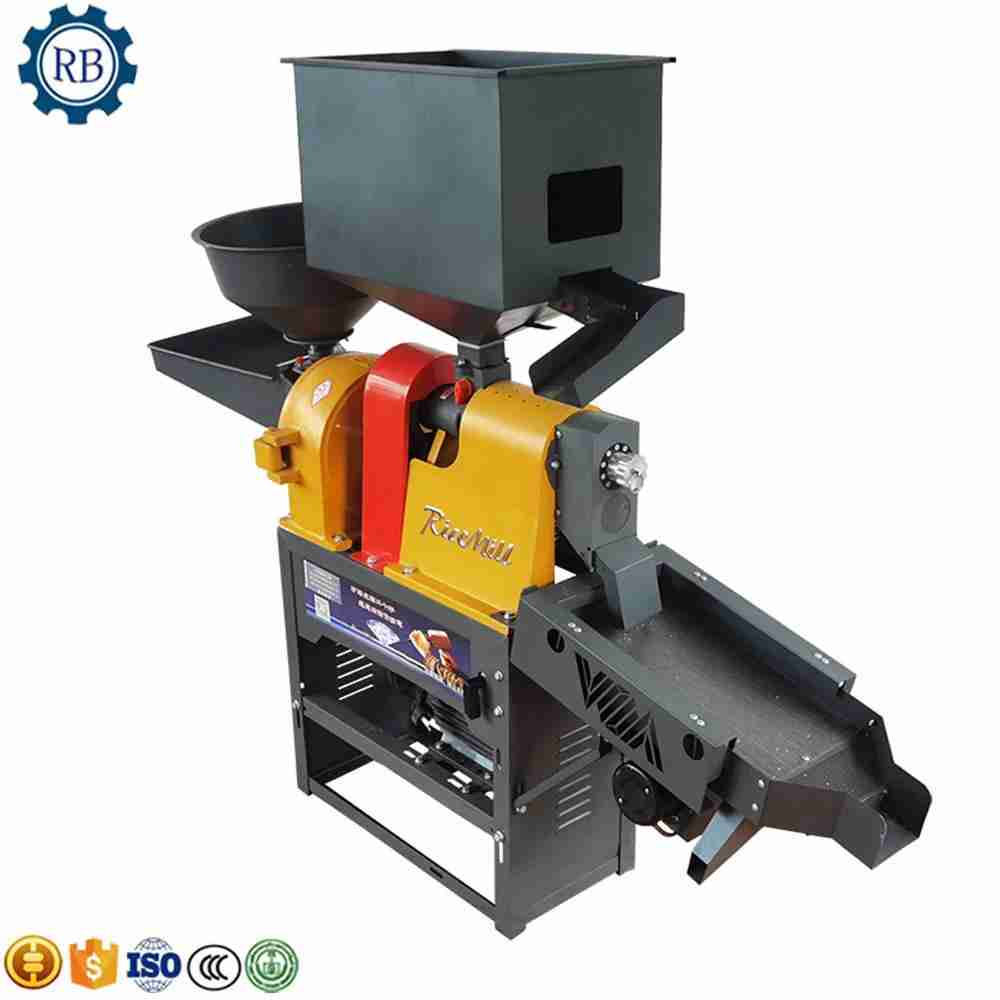
Key Features to Consider When Selecting a Mini Rice Milling Machine
When selecting a mini rice milling machine, several key features can greatly influence the quality and efficiency of rice processing. Capacity is an essential criterion; different machines offer varying scales of output, from small-scale domestic units to those suitable for small businesses. Evaluating the grain type compatibility is also crucial, as not all machines are designed to handle different varieties of rice, such as jasmine, basmati, or sticky rice. Additionally, consider the energy consumption and operational costs, as an efficient machine will contribute to overall cost savings in the long term.
Moreover, the ease of operation and maintenance should not be overlooked. Machines that come equipped with user-friendly controls and require minimal maintenance often provide a more satisfying experience for users. Durability and build quality play a vital role as well; selecting a machine made from high-quality materials ensures longevity even under continuous use. Lastly, considering after-sales service and availability of spare parts can be a determining factor; having reliable support and easy access to replacements can make a significant difference in the overall investment.
| Feature | Description |
|---|---|
| Capacity | Output size, suitable for household or commercial use. |
| Energy Consumption | Efficiency helps in reducing operational costs. |
| Ease of Operation | User-friendly control panel and features. |
| Durability | High-quality materials ensure a longer lifespan. |
| After-sales Service | Support and availability of spare parts. |
Future Trends and Innovations in Rice Milling Processes
As the demand for rice continues to surge globally, the evolution of rice milling processes leverages cutting-edge technology to enhance both efficiency and sustainability. Smart milling innovations are on the rise, integrating IoT (Internet of Things) capabilities that facilitate real-time monitoring and data analytics. Such advancements enable mill operators to track performance metrics, manage inventory effectively, and optimize energy consumption, resulting in a more streamlined milling process. Furthermore, the introduction of eco-friendly machinery and renewable energy sources minimizes the environmental impact, positioning the rice industry as a more viable option for conscious consumers.
The future of rice milling also lies in the burgeoning field of mini rice milling machines, which cater to small-scale farmers and local entrepreneurs. These machines are designed for ease of use and portability, allowing users to process rice on-site and reduce transportation costs significantly. As a result, they not only enhance the quality of the final product but also support local economies. The rise of mobile applications to assist in the operation and maintenance of these machines further empowers users, ensuring that farmers are better equipped to handle production challenges while promoting sustainable practices across the rice milling landscape.
Concluding Remarks
As we explore the transformative landscape of grain processing, it’s clear that mini rice milling machines are not just a trend but a pivotal advancement in the agricultural sector. These compact, efficient, and innovative technologies are democratizing rice production, empowering smallholder farmers, and ensuring a fresher, more sustainable product reaches consumers. With their ability to enhance the quality of milled rice while minimizing waste and energy consumption, mini rice milling machines are rewriting the rules of grain processing.
As we look ahead, the future of grain milling appears bright, driven by continued advancements and a commitment to sustainability. The implications stretch far beyond the fields; they evoke a vision of localized food systems, innovative rural entrepreneurship, and enhanced food security. As stakeholders across the globe embrace this evolution, we stand on the brink of a new era where even the smallest mills can fuel big changes. Embracing these shifts may well lead us toward a healthier, more equitable world — one grain at a time.




