
In a world where innovation treads hand-in-hand with sustainability, the humble grain finds itself at the forefront of a revolution. As the backbone of global diets, grains like rice have nourished civilizations for centuries, yet the methods of processing them have largely remained unchanged. Enter the mini rice mill—a game-changing technology that promises not only efficiency but also empowerment for farmers and communities alike. By transforming the way we mill rice, this compact machine offers a glimpse into a future where small-scale enterprises can thrive, local economies can flourish, and the journey from field to table becomes more sustainable. In this article, we delve into the mini rice mill experience, exploring its impact on agriculture, the economy, and our ever-evolving relationship with food. Join us on a journey to discover how this innovative solution is redefining the landscape of grain processing and shaping a more resilient tomorrow.
Transforming Traditional Harvests Into Modern Opportunities
The advent of mini rice mills is breathing new life into rural agriculture, presenting a transformative opportunity for farmers to enhance their traditional practices. These compact and efficient machines not only streamline the milling process but also empower local communities by reducing dependency on larger processing facilities. Farmers can now engage in value addition right at their doorstep, allowing them to reap the benefits of their hard work while simultaneously creating local employment. With lower operational costs, residents can invest in their businesses and develop sustainable livelihoods catered to their unique regional demands.
As the world increasingly embraces sustainability, mini rice mills exemplify how integrating technology with traditional agricultural practices can yield remarkable benefits. They facilitate a more eco-friendly approach by minimizing grain loss and optimizing the use of resources. Moreover, the customization options available inspire innovative local products, enabling farmers to differentiate their offerings. Some of the advantages of adopting mini rice mills include:
- Cost Efficiency: Lower setup and maintenance costs.
- Time Saving: Quick processing times enhance productivity.
- Quality Control: Farmers can guarantee high-quality rice tailored to customer preferences.
In regions where rice is a staple, these mills serve as a catalyst for community growth. Farmers can collaborate to create co-operatives, sharing resources and knowledge to maximize their collective outcomes. This not only fosters a sense of community but also cultivates a culture of innovation and entrepreneurship. The ripple effect of these mills can be profound, potentially influencing local economies, health standards, and food security.
| Feature | Benefit |
|---|---|
| Compact Design | Ideal for small farms |
| Energy Efficient | Reduces operating costs |
| Multi-functional | Processes various grains |
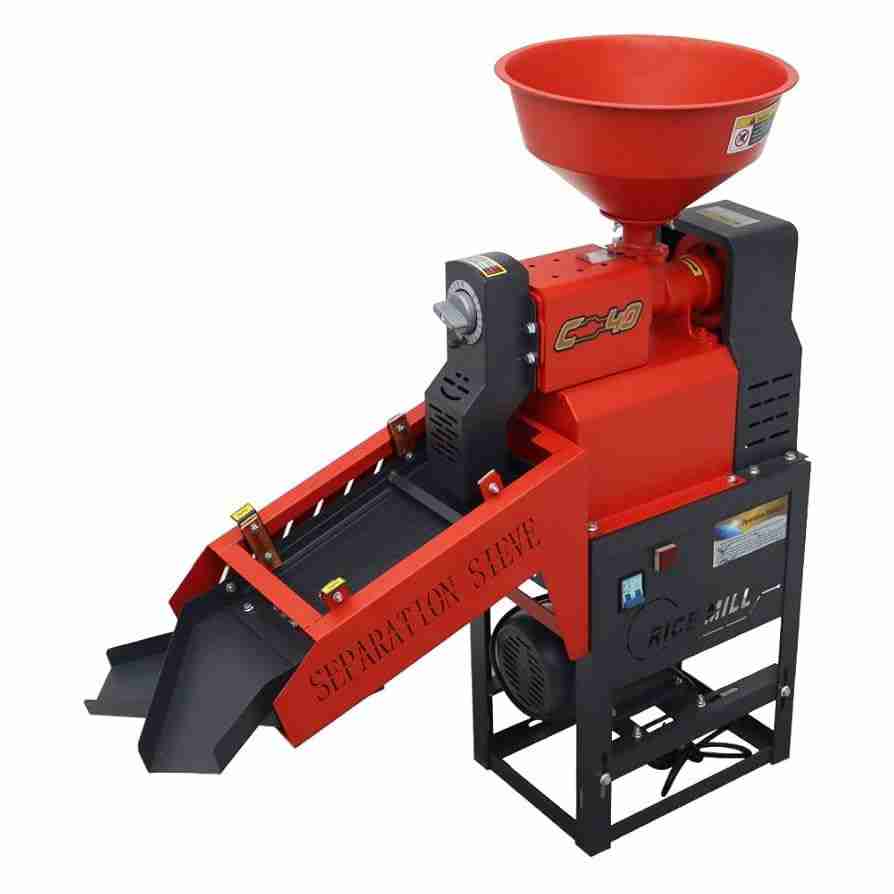
Essential Features of Mini Rice Mills for Efficient Processing
Mini rice mills are engineered with a variety of features that cater to small-scale producers looking for efficient processing methods. Their compact design allows for easy installation in modest spaces without compromising performance. The modular construction of these mills means that they can be customized to fit different processing needs, allowing for upgrades or replacements of specific parts as technology advances. Moreover, the incorporation of advanced crushing and milling technologies ensures a higher yield of rice per husk, optimizing the entire grain processing cycle. This focus on efficiency is underscored by features like energy-saving motors and low maintenance designs, which translate to reduced operational costs for users.
Additionally, many mini rice mills are outfitted with user-friendly control panels that simplify operation, even for those new to grain processing. The automated systems built into these machines help maintain consistency in quality and reduce human error. Essential functions include automatic husking, polishing, and sorting capabilities, enabling operators to produce high-quality rice quickly. To further enhance the user experience, these mills often come equipped with safety features such as overheat protection and emergency shut-off switches. By integrating these essential elements, mini rice mills not only streamline the process but also ensure a safe environment for operators.
Sustainability and Cost-Effectiveness in Grain Milling
The world of grain milling is witnessing a transformative shift with the advent of technologies that prioritize both environmental stewardship and economic viability. Mini rice mills, for instance, illustrate this dual benefit exceptionally well. By utilizing energy-efficient designs and sustainable materials, these compact machines not only lower energy consumption but also reduce waste generation throughout the milling process. Their less intensive use of resources means farmers can operate with greater efficiency and minimal environmental impact, establishing a new frontier in low-carbon agricultural practices.
Moreover, the cost-effectiveness of these mini mills significantly enhances their appeal to smallholder farmers and cooperatives. By cutting down on operational costs, they empower local economies to flourish. Key advantages include:
- Lower Initial Investment: Accessibility through affordable pricing.
- Reduced Labor Costs: Streamlined processes mean fewer hands are needed.
- Enhanced Output: Faster milling leads to quicker turnaround times and increased productivity.
To further illustrate the benefits, it’s essential to consider the environmental footprint and financial return in a comparative table:
| Aspect | Traditional Mill | mini rice mill |
|---|---|---|
| Energy Consumption | High | Low |
| Operational Costs | Higher | Reduced |
| Waste Generation | Significant | Minimal |
Empowering Communities Through Accessible Rice Milling Technology
In the heart of rural communities, the introduction of affordable mini rice mills has sparked a transformation, empowering local farmers and enhancing their livelihoods. These compact yet powerful machines allow families to produce their own milled rice directly at home, significantly reducing dependence on commercial milling facilities. As a result, the financial burden related to transportation and processing fees is lifted, enabling farmers to reinvest in their crops and futures. The ease of use ensures that anyone, regardless of experience, can operate these mills, thus democratizing the access to advanced agricultural technology. Key benefits include:
- Cost Savings: Elimination of milling fees enhances profit margins.
- Quality Control: Ensures fresher and higher quality rice is produced.
- Time Efficiency: Reduces the time taken to mill rice, allowing for quicker turnaround.
Moreover, the effect of this technology ripples beyond individual households; it resonates throughout the community. Local economies benefit from increased employment opportunities as small-scale mill operators open their doors, creating jobs and stimulating entrepreneurship. Farmers can form cooperatives and share resources, fostering a sense of unity and collective growth. By harnessing the power of these mini rice mills, communities are laying the groundwork for sustainable agricultural practices that prioritize both food security and economic resilience. The impact can be encapsulated in the following table:
| Impact Area | Observations |
|---|---|
| Local Economy | Boost in small businesses and job creation |
| Farmer Empowerment | Increased self-reliance and higher income |
| Community Development | Strengthened social ties and collaborative projects |
In Retrospect
In the ever-evolving landscape of agriculture, the mini rice mill stands out as an innovative beacon of efficiency and sustainability. As we have explored, this small-scale technology not only enhances the processing of grains but also empowers local farmers and communities by providing them with the means to transform raw produce into value-added products. The transition to mini rice mills symbolizes more than just a technological shift; it represents a commitment to preserving traditions while embracing modernity.
As we step into a future where food security and sustainable practices are paramount, the impacts of these compact machines will undoubtedly ripple beyond the fields, influencing economies, diets, and livelihoods. The journey of transforming grains, once labor-intensive and time-consuming, is now becoming a more accessible and vibrant experience for all.
In closing, the mini rice mill is more than machinery—it’s a catalyst for change, fostering a renaissance in grain processing that champions both advancement and heritage. As we cultivate this new chapter, may the fruits of our labor inspire future innovations, ensuring that the grains of today can nourish the generations of tomorrow.




