
In a world where agricultural efficiency meets technological innovation, the landscape of grain processing is undergoing a remarkable transformation. Among the pioneers of this revolution is the mini rice mill, a compact yet powerful tool that is reshaping the way rice is processed and accessed. As rural economies strive for sustainability and communities seek self-sufficiency, the adoption of these versatile machines presents a beacon of hope. By integrating modern engineering with age-old agricultural practices, mini rice mills are not only enhancing productivity but also empowering local farmers, reducing post-harvest losses, and improving food security. In this article, we delve into the myriad advantages that mini rice mills bring to the forefront of grain processing, exploring their role in fostering economic growth and paving the way for a more resilient food system.
Innovative Technology: How Mini Rice Mills Enhance Efficiency and Quality
In the modern landscape of agricultural technology, mini rice mills stand out as a beacon of innovation, offering unparalleled efficiency in grain processing. These compact machines are designed to optimize the milling process, ensuring higher yield rates and superior quality of rice. Unlike traditional milling setups, which can be resource-heavy and time-consuming, mini rice mills utilize advanced engineering to reduce both energy consumption and operational costs. With features such as automated feeding systems and intelligent milling controls, they streamline operations, allowing smallholders and larger producers alike to maximize output without sacrificing quality.
The quality of the final product is often the defining factor in market competition, and mini rice mills excel in this area as well. They come equipped with technology that minimizes breakage, ensuring that the grains remain whole and are free from impurities. Some of the notable benefits include:
- Customizable milling parameters that allow operators to adjust settings based on the specific type of rice being processed.
- Advanced separation technology for effective husking and polishing, which results in cleaner end products.
- Compact design that saves space and can be easily integrated into existing operations.
This combination of efficiency and quality enhancement positions mini rice mills as game-changers in the grain processing sector, allowing producers to meet growing demands without compromising on standards.

Sustainability in Action: The Environmental Benefits of Mini Rice Mills
The emergence of mini rice mills signifies a pivotal shift towards environmentally friendly grain processing methods. By decentralizing rice milling, these compact facilities not only reduce the need for extensive transportation but also lower energy consumption significantly. With the ability to operate on a smaller scale, these mills enable local farmers to process their rice closer to their fields, thereby minimizing fuel usage and the associated carbon footprint. Moreover, mini rice mills often incorporate renewable energy sources, such as solar power, further diversifying their ecological benefits and enhancing the sustainability of agricultural practices.
Additionally, mini rice mills contribute to waste reduction and better utilization of by-products. Traditional milling often results in substantial waste products, such as husks and bran, which can be detrimental to the environment if not managed properly. In contrast, mini mills have the capability to recycle these by-products into useful materials like organic fertilizers or even animal feed. This ensures that nothing goes to waste, aligning with a zero-waste philosophy in agricultural practices. The result is a holistic approach where local economies flourish, and environmental impacts are significantly diminished, embodying the core values of sustainability.
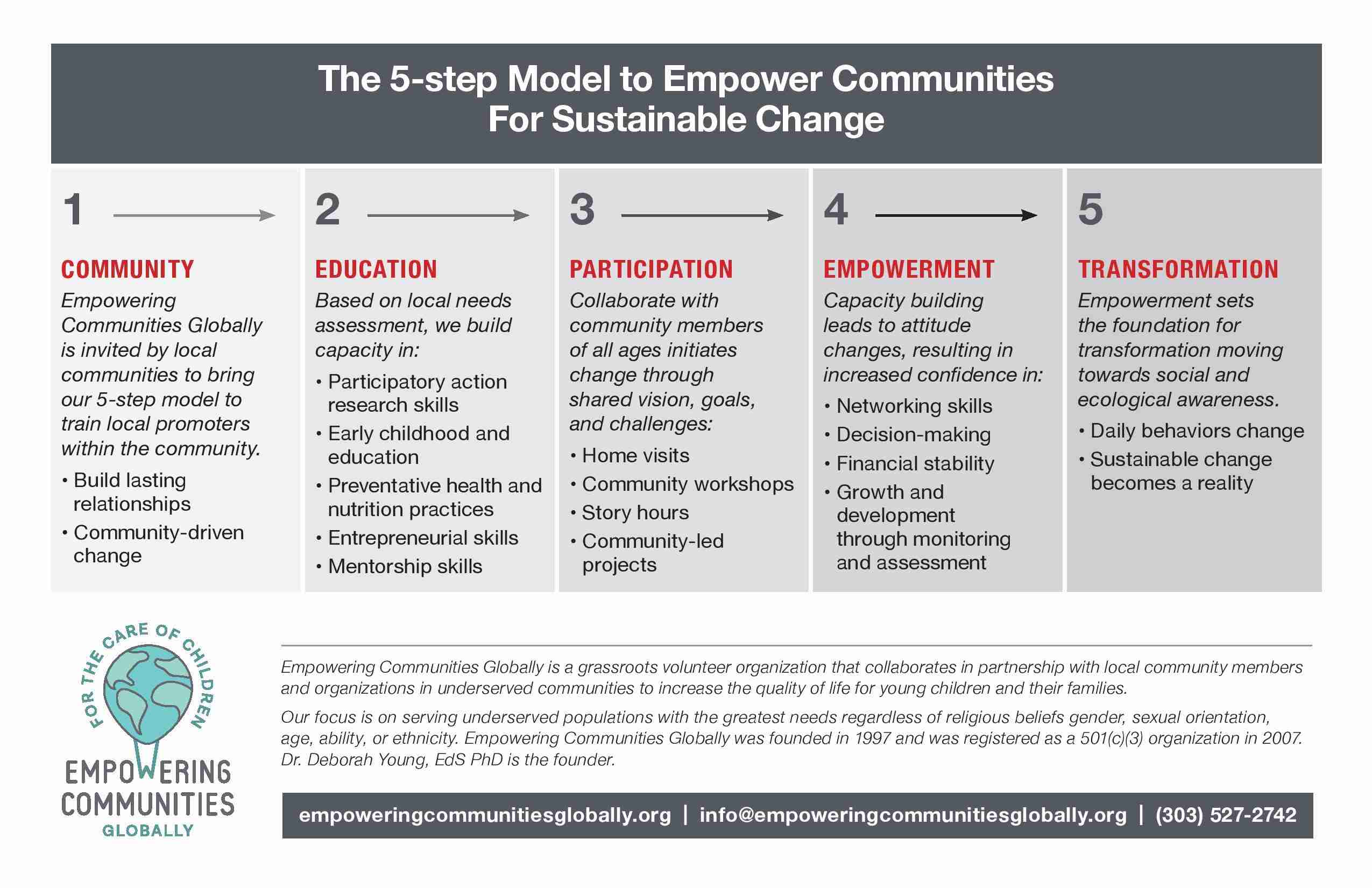
Empowering Communities: The Economic Impact of Small-Scale Grain Processing
Small-scale grain processing, particularly through the use of mini rice mills, serves as a catalyst for economic revitalization in rural communities. These mills not only reduce dependence on large industrial processors but also foster local entrepreneurship by enabling individuals to take control of their grain supply chains. With the implementation of modern technology in mini rice mills, families can transform their harvested grains into value-added products, creating diverse economic opportunities. Some benefits of this localized processing include:
- Job Creation: Establishing mini rice mills generates employment opportunities, offering technical and operational roles to community members.
- Enhanced Income: Farmers experience increased profits as they can sell processed rice at premium prices.
- Food Security: Local grain processing contributes to greater food stability by reducing reliance on external markets.
The financial impact of mini rice mills can be profound, serving as a basis for the establishment of new businesses and supporting local economies. Local farmers can directly engage with consumers, thus retaining more profits within the community. The following table illustrates the comparative advantages of small-scale versus large-scale processing methods:
| Aspect | Small-Scale Processing | Large-Scale Processing |
|---|---|---|
| Initial Investment | Lower startup costs | Higher capital requirements |
| Community Impact | Empowerment through local jobs | Limited local engagement |
| Flexibility | Adaptable to local needs | Rigid production processes |
| Environmental Footprint | Lower due to localized processing | Higher from resource transportation |
By shifting towards these small-scale processing initiatives, communities can foster economic growth that benefits all segments of the population, ultimately leading to greater resilience and sustainability in the face of changing market forces. The mini rice mill’s advantage lies in its ability to rejuvenate local economies, ensuring that resources stay within the community while empowering individuals through entrepreneurship and innovation.
Maximizing Potential: Key Considerations for Implementing mini rice mill Solutions
Implementing mini rice mill solutions requires a strategic approach that takes into account various operational and logistical factors. Location is critical: positioning the mill close to rice fields minimizes transportation challenges and ensures freshness. Additionally, understanding the local market demands can guide the selection of the machine’s capacity and output, thus optimizing productivity. Operators should also consider training and support, as skilled personnel are vital for efficient mill operation. Investing in ongoing maintenance can further enhance the longevity and efficiency of the equipment, reducing downtime and costs.
Moreover, financial planning plays a significant role in the successful integration of mini rice mills into existing agricultural frameworks. Creating a detailed budget that includes the initial investment, operational costs, and potential revenue streams will provide a clearer picture of profitability. Key considerations include:
- Assessing available financing options, such as loans, grants, or partnerships.
- Evaluating the cost-effectiveness of different mill models and features.
- Implementing a pricing strategy that meets market expectations while ensuring sustainable margins.
| Consideration | Description |
|---|---|
| Location | Proximity to rice fields to reduce transport costs |
| Skilled workforce | Training for efficient operation and maintenance |
| Market alignment | Understanding local demand for tailored production |
To Wrap It Up
the mini rice mill stands at the forefront of a transformative era in grain processing, offering a blend of efficiency, accessibility, and sustainability that traditional methods often lack. By bridging the gap between small-scale farmers and modern agricultural practices, these compact machines not only empower local economies but also contribute to food security and quality. As the demand for innovative solutions in the agricultural sector continues to grow, the mini rice mill emerges as a beacon of hope, illuminating the path to a more resilient and inclusive future. Whether you are a farmer, an entrepreneur, or simply a grain enthusiast, embracing this advancement could be the key to unlocking new possibilities in rice production and beyond. The revolution in grain processing has begun, and with it comes the promise of a more streamlined, effective, and responsible approach to nurturing our world’s fundamental resource—food.




