
As the dawn of a new agricultural era unfolds, the quest for innovative solutions to age-old challenges intensifies. Amidst the sprawling fields of golden grain, a subtle yet impactful transformation is taking root: the mini rice mill. This compact marvel of technology is not merely a tool; it represents a paradigm shift in the way farmers approach rice processing. By enhancing efficiency, reducing costs, and empowering smallholder farmers, mini rice mills are paving the way for sustainable agricultural practices and improved livelihoods. In this article, we will explore the myriad benefits of mini rice mills, delving into how they are revolutionizing agriculture and reshaping the future of food production. Join us as we uncover the advantages these machines offer to farmers and communities around the globe, highlighting their role in promoting resilience and innovation in the face of a rapidly evolving agricultural landscape.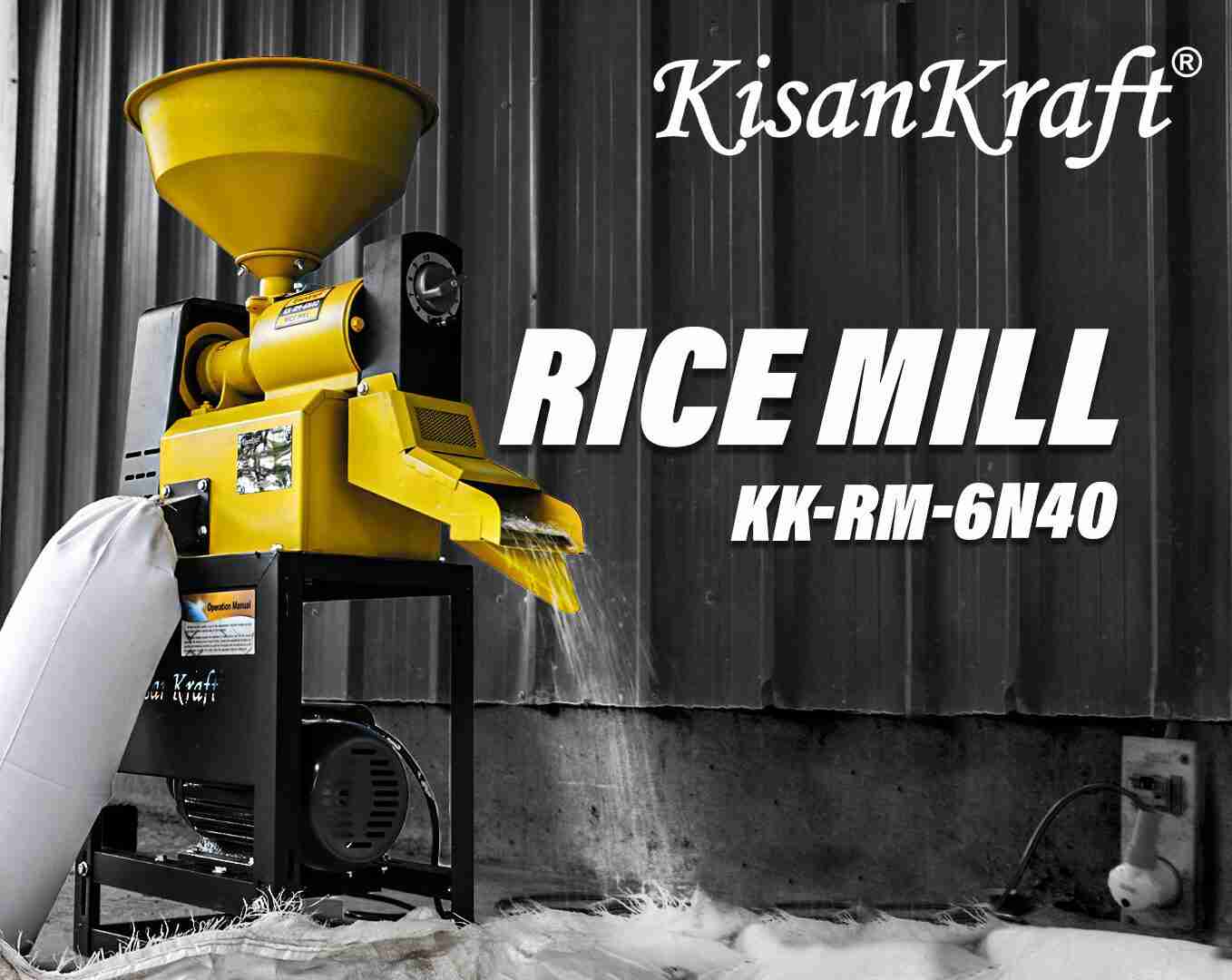
Understanding the Mini Rice Mill Technology and Its Benefits
The advent of mini rice mill technology marks a significant evolution in agricultural processing. Unlike traditional rice milling machines, mini rice mills are compact, cost-effective, and designed for smallholder farmers and rural entrepreneurs. These systems streamline the milling process, making it more accessible to communities that may have lacked the resources for large-scale operations. With their straightforward designs, these units not only reduce the time taken to mill rice but also minimize the losses typically incurred during milling. Key features of mini rice mills include:
- Energy Efficiency: Consuming less power while delivering high output.
- Space-saving Design: Ideal for small land areas prevalent in rural settings.
- Low Maintenance Costs: Simple mechanisms that need minimal upkeep.
- Customizable Settings: Adjustments to suit various types of rice and desired output.
In addition to enhancing productivity, the benefits of mini rice mills extend to the economic and social realm. By offering affordable milling services, these machines can empower local farmers, allowing them to compete in wider markets and increase their income potential. Moreover, the rise of mini rice mills fosters community cooperation as groups can pool resources to acquire a machine, thus encouraging collective ownership and utilization. This cooperative spirit can lead to a host of ancillary benefits such as increased employment opportunities and improved food security. The transformation is profound, creating a ripple effect that enhances the overall quality of life in rural areas.
| Advantage | Description |
|---|---|
| Cost-Effectiveness | Lower initial investment compared to large rice mills. |
| Accessibility | Serve small-scale farmers who need local milling solutions. |
| Quality of Rice | Improved milling process resulting in better grain quality. |
Enhancing Smallholder Farmer Productivity Through Mini Rice Mills
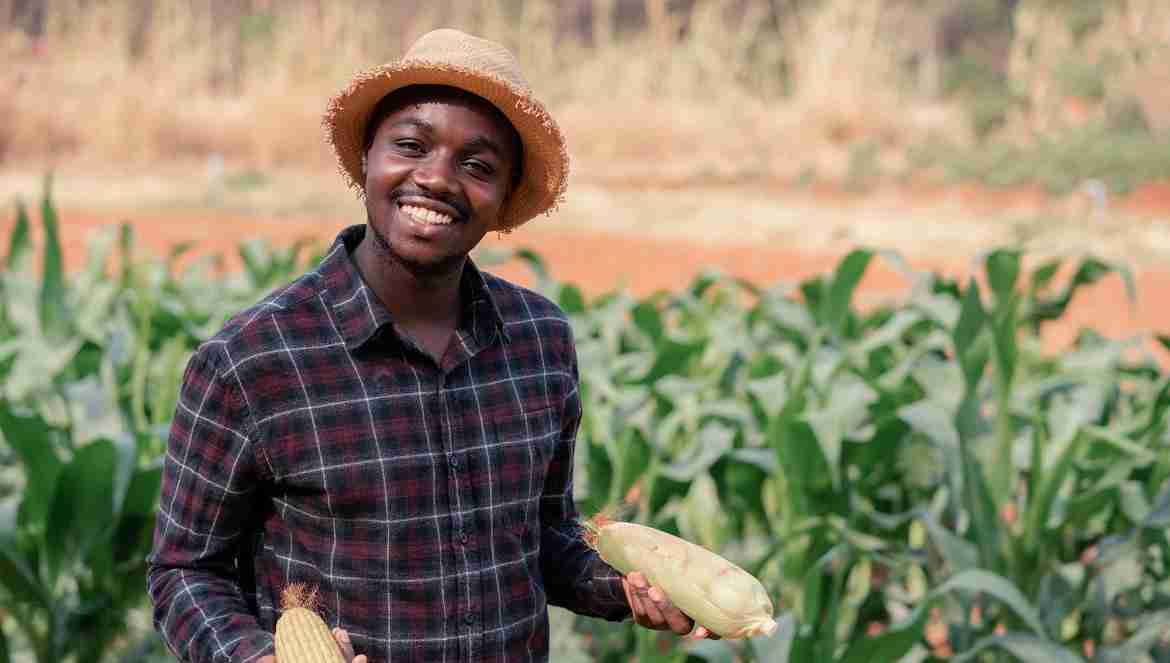
The introduction of mini rice mills is transforming the landscape for smallholder farmers, offering them an efficient solution to traditional post-harvest rice processing challenges. These compact, user-friendly machines enable farmers to produce high-quality milled rice right in their own fields, drastically reducing the time and labor required for processing. By empowering farmers to take control of their production, mini rice mills not only enhance yield but also contribute to improving the economy of smallholder farming communities.
Farmers adopting these technologies can enjoy several key advantages:
- Cost Efficiency: With reduced transportation and labor costs, farmers maximize their profit margins.
- Quality Control: The ability to mill rice on-site ensures fresher product quality that meets market demands.
- Time Savings: The reduction in post-harvest processing time allows farmers to focus on cultivating larger areas.
- Resource Utilization: Mini mills utilize less electricity and water, making them sustainable alternatives compared to larger facilities.
To further enhance the benefits of mini rice mills, it is essential for farmers to receive training on optimal usage and maintenance practices. Below is a comparison table highlighting the advantages of mini rice mills versus traditional milling methods:
| Criteria | Mini Rice Mill | Traditional Milling |
|---|---|---|
| Processing Time | Shorter | Longer |
| Transportation Cost | Lower | Higher |
| Quality of Rice | Higher | Variable |
| Environmental Impact | Less | More |
The future of smallholder farming looks bright with the integration of mini rice mills, paving the way for a more sustainable and profitable agricultural sector. By facilitating better access to modern technology, we can foster an environment where smallholder farmers thrive, ultimately driving economic growth and food security in rural communities.

Sustainability and Economic Impact of Mini Rice Milling
The emergence of mini rice milling technology has ushered in a transformative era for agricultural sustainability. By decentralizing the milling process, farmers are empowered to maximize their output right at their farms. This localized approach minimizes transportation emissions and reduces waste, as fresh rice processing occurs without significant delays. Key benefits include:
- Reduced Carbon Footprint: Shorter transport distances mean less fuel consumption.
- Waste Minimization: Local processing allows for immediate utilization of rice husks and by-products as biofuel.
- Enhanced Food Security: By milling rice on-site, communities can more quickly adjust to market demands and food availability.
From an economic standpoint, mini rice mills promote financial viability for smallholder farmers. With comparatively low startup costs and maintenance requirements, these mills allow agricultural entrepreneurs to tap into local markets, fostering economic resilience. A brief overview of the economic impact includes:
| Economic Benefits | Impact |
|---|---|
| Job Creation | Increased job opportunities in rural areas |
| Income Generation | Higher profit margins from value-added processing |
| Market Access | Empowering local communities to meet consumer needs |
the dual benefits of sustainability and economic development created by mini rice milling systems highlight their critical role in evolving agricultural landscapes. By embracing this technology, rural economies can flourish while ensuring responsible stewardship of environmental resources.
Adopting Mini Rice Mills: Key Recommendations for Rural Communities
Implementing mini rice mills in rural communities can provide numerous benefits, but it requires a strategic approach to ensure success. The first recommendation is to conduct community-wide training sessions that educate farmers on the operation and maintenance of these mills. This knowledge transfer should also include workshops on the processing of rice and how to optimize the milling process to achieve the best possible yield. Additionally, establishing a cooperative model can empower local farmers to invest in shared equipment, thereby reducing individual costs while promoting a sense of community ownership over the milling process.
Secondly, fostering partnerships with agricultural extension services and local governments is essential to create a comprehensive support network. This partnership can facilitate access to financial assistance programs, grants, and subsidies aimed at enhancing agricultural productivity through technology. Promoting the establishment of small-scale businesses around the mini rice mills—such as packaging, marketing, and distribution—can also open new revenue avenues for the community. A strategic approach should include:
- Resource Sharing: Encourage local collaboration to maximize the use of equipment and facilities.
- Quality Control: Implementing systems to ensure high-quality milling processes, enhancing product acceptance.
- Marketing Strategies: Developing branding initiatives to promote locally milled rice in wider markets.
In Retrospect
As we stand on the precipice of a new era in agriculture, the mini rice mill emerges not just as a tool, but as a catalyst for change. By empowering farmers with efficiency, sustainability, and economic independence, these innovative machines symbolize the promise of modern agriculture. The potential for increased productivity and reduced post-harvest losses reinforces the importance of technology in driving forward the agricultural landscape.
As we look to the future, the mini rice mill offers a glimpse into what’s possible when we embrace innovation while honoring tradition. It stands as a testament to the resilience of farmers around the globe and their desire for progress. With ongoing advancements and a renewed focus on rural development, the movement towards a more efficient and sustainable agricultural sector is not just a dream—it’s an achievable reality.
In this evolving narrative, every grain of rice milled represents hope, opportunity, and the shared vision of a thriving agricultural community. Let us continue to support and invest in such innovations that not only revolutionize farming practices but also nurture the very foundation of food security for generations to come.




