
In the heart of rural landscapes, where agriculture meets tradition, a quiet revolution is taking root—mini rice mill plants. These compact, efficient milling units are transforming the way farmers engage with rice production, offering a multitude of benefits that extend beyond mere processing. As the demand for quality rice continues to rise, these mini plants are not just modernizing agricultural practices but also empowering farmers to take control of their yields, enhance profitability, and reduce post-harvest losses. In this article, we will delve into the myriad advantages of mini rice mill plants, exploring how they enable farmers to elevate their operations, improve grain quality, and foster sustainable farming. Join us on this journey as we uncover the transformative potential of these small-scale milling solutions in the wider agricultural landscape.
Unlocking Efficiency and Productivity in Rice Milling
As the demand for rice continues to rise, the efficiency of milling operations becomes crucial for farmers looking to maximize their profits. mini rice mill plants have emerged as game-changers in this context, offering tailored solutions that address the specific needs of farmers. These compact setups not only reduce the labor and time required for processing but also improve the overall quality of the rice. By incorporating advanced technology, such as automated milling and husking systems, these plants ensure that farmers can meet market standards while minimizing waste. The benefits are multifaceted: they are cost-effective, versatile, and environmentally friendly.
From enhancing productivity to ensuring consistent quality, the advantages of mini rice mill plants are evident. Consider the following benefits:
- Lower Initial Investment: Farmers can start milling operations with minimal capital, making it accessible for small-scale growers.
- Reduced Processing Time: Streamlined operations mean quicker turnaround from paddy to polished rice.
- High Recovery Rate: Advanced technology leads to higher recovery rates, optimizing the yield of sellable rice.
- Flexibility: Small plants can be adapted for various rice varieties, allowing farmers to cater to diverse markets.
The following table outlines the key features and comparisons of traditional milling versus mini rice mill plants:
| Feature | Traditional Milling | mini rice mill Plants |
|---|---|---|
| Capital Investment | High | Low |
| Processing Speed | Slow | Fast |
| Recovery Rate | Average | High |
| Maintenance Costs | High | Low |
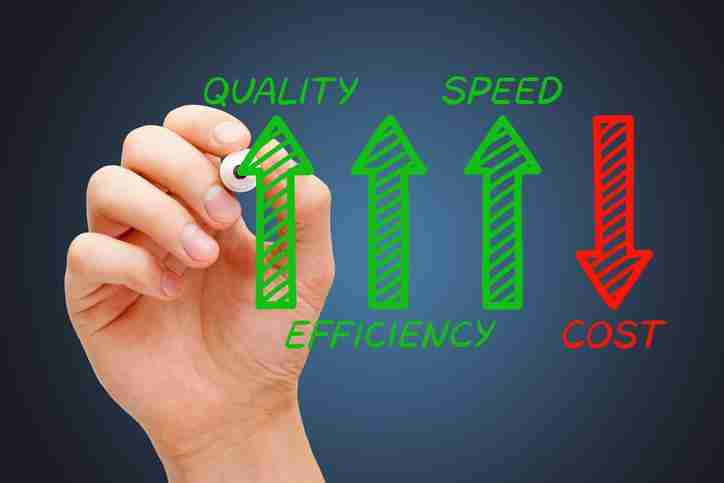
Cost-Effectiveness: A Game Changer for Small-Scale Farmers
For small-scale farmers, the introduction of mini rice mill plants has revolutionized their operational dynamics, offering a pathway to enhanced productivity and profitability. By investing in these compact and efficient milling solutions, farmers can significantly reduce their reliance on milling services from external sources, which often come with exorbitant fees. These savings can be redirected towards other essential expenditures such as seeds, fertilizers, and equipment upgrades, ultimately creating a more sustainable farming ecosystem.
Furthermore, the cost-effectiveness of mini rice mills extends beyond mere financial savings. The ability to process rice on-site not only minimizes time and transportation costs but also maximizes the freshness and quality of the rice produced. Here’s how mini rice mills make a difference:
- Reduced Milling Costs: Farmers can keep a larger share of their earnings.
- High Efficiency: Modern mini mills offer quick turnaround times.
- Quality Control: Farmers can oversee the milling process to ensure top-quality output.
- Job Creation: Local employment opportunities arise as more farmers invest in milling operations.
To further illustrate the advantages, consider the following comparison of costs associated with traditional milling versus on-site processing using a mini rice mill:
| Parameter | Traditional Milling | mini rice mill |
|---|---|---|
| Cost per Ton | $50 | $30 |
| Transportation Costs | $20 | $5 |
| Waiting Time | 3 Days | 1 Day |
This comparison clearly highlights the financial benefits and operational efficiencies that come with adopting mini rice mills, emphasizing their role as a pivotal investment for small-scale farmers looking to enhance their productivity and economic viability.
Sustainability and Environmental Impact of mini rice mill Plants
mini rice mill plants play a pivotal role in promoting sustainable farming practices and minimizing environmental impact. These compact facilities not only enable farmers to process their own rice effectively but also reduce carbon footprints compared to large-scale milling operations. The localized processing of rice promotes self-sufficiency while alleviating transportation emissions, leading to a more environmentally conscious food supply chain. Additionally, mini rice mills optimize energy use, employing eco-friendly technologies such as solar energy or biomass for operation, further underscoring their commitment to sustainability.
The environmental benefits of these plants extend beyond energy efficiency. By integrating mini rice mills into local farming systems, the following advantages can be realized:
- Waste Reduction: Byproducts of rice milling, such as husks and bran, can be repurposed as organic fertilizers or animal feed.
- Water Conservation: Efficient processing methods minimize water usage compared to traditional milling methods.
- Biodiversity Promotion: Smaller plants support local ecosystems, allowing farmers to maintain diverse cropping systems.
Ultimately, these mini rice mill plants exemplify the harmony that can exist between agriculture and environmental stewardship. By decreasing reliance on fossil fuels and promoting sustainable practices, they stand as a testament to the potential for innovation in the agricultural sector, proving that progress and preservation can go hand in hand.
Empowering Farmers through Technology and Knowledge Sharing
The advent of technology in agriculture has paved the way for innovative solutions that enhance productivity and sustainability. mini rice mill plants embody this shift, acting as a catalyst for change within the farming community. By equipping farmers with the right tools, these compact systems promote self-sufficiency and foster local economies. Farmers can enjoy numerous advantages, such as:
- Reduced Processing Costs: By milling their own rice, farmers can eliminate the expenses associated with outsourcing.
- Quality Control: Owning a mini rice mill allows farmers to ensure the quality of their produce, enhancing marketability.
- Faster Turnaround: With the ability to process rice on-site, farmers can drastically reduce the time from harvest to market.
- Knowledge Sharing: Engaging with local cooperatives can lead to the dissemination of best practices for rice production and processing.
Moreover, integrating mini rice mill plants into agricultural practices provides opportunities for community empowerment and skill development. Farmers can engage in workshops and training sessions, learning to operate and maintain these machines effectively. The collaborative environment fosters a spirit of innovation and adaptability, key factors in responding to changing market demands. Here are some essential features that contribute to their success:
| Feature | Benefit |
|---|---|
| Compact Design | Easy to install and requires minimal space, perfect for small farms. |
| Energy Efficient | Consumes less power, making it cost-effective and sustainable. |
| Ease of Use | Simple operation allows farmers with varying skill levels to use the equipment. |
Insights and Conclusions
As we conclude our exploration of mini rice mill plants, it becomes clear that these compact yet powerful systems offer a transformative solution for farmers looking to enhance their production capabilities and economic independence. The benefits are multifaceted—improved grain quality, increased efficiency, and reduced dependency on external milling services empower farmers to take control of their harvest in ways that were previously unimaginable.
In an agricultural landscape where every grain counts, investing in a mini rice mill plant not only optimizes processes but also fosters a culture of sustainability and resilience. As we move forward, it is crucial for farmers, agricultural stakeholders, and policymakers to recognize and advocate for innovations that support local production and economic growth.
Ultimately, the journey towards modernization in rice farming is not just about technology; it’s about the people behind the fields, the families who rely on the harvest, and the future of sustainable agriculture. By embracing mini rice mill plants, farmers can cultivate not only their crops but also a promising future for generations to come. Thus, the story of the mini rice mill is just beginning, and its impact on rural livelihoods is poised to echo throughout the agricultural community for years to come.




