
In the heart of agriculture, where tradition meets technology, the humble grain of rice emerges as a staple that feeds billions across the globe. As the demand for this versatile crop continues to rise, so does the need for innovative solutions that streamline its processing. Enter the efficient mini rice mill plants—revolutionary hubs of productivity that not only enhance the quality of rice but also optimize the entire processing experience. These compact yet powerful facilities are transforming the landscape of rice milling, enabling small-scale farmers and entrepreneurs to harness the potential of their harvests with remarkable efficiency. In this article, we will explore how these mini rice mills are reshaping rice processing, the advantages they bring to local economies, and their role in promoting sustainable agricultural practices. Join us on this insightful journey into the future of rice milling, where innovation meets tradition and every grain tells a story.
Understanding the Mechanisms of mini rice mill Plants
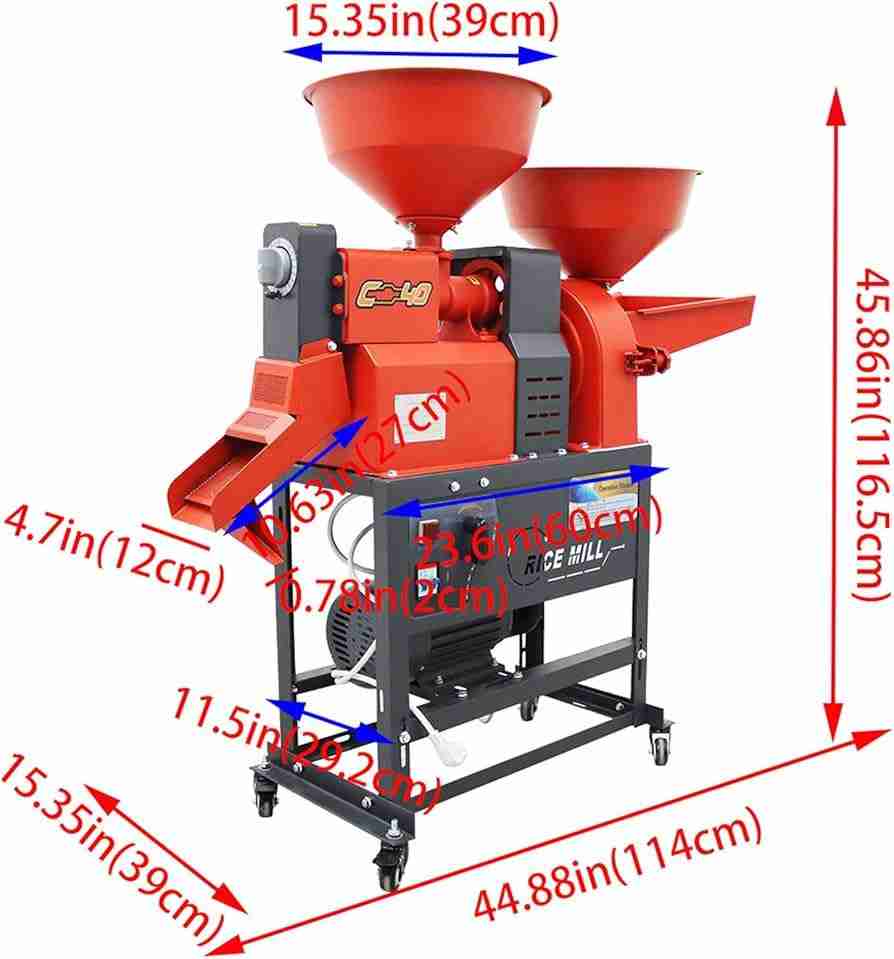
mini rice mill plants operate through a series of well-orchestrated mechanisms that streamline the rice processing workflow. At the heart of these plants is the paddy separator, which plays a crucial role in efficiently separating the rice grains from the husk. Once the grains are separated, they undergo hulling, where the rough outer husk is removed, followed by milling that polishes the rice, enhancing its marketability. These steps not only improve the quality but also maximize the yield from the harvested paddy. For operational efficiency, features like vibration systems and dust collection mechanisms are integrated to minimize waste and ensure a clean environment within the plant.
Moreover, modern mini rice mills are designed with energy efficiency in mind, employing technologies that reduce power requirements while maintaining high productivity levels. The use of microcontrollers and sensors enhances control over the milling process, allowing operators to adjust parameters based on the type of rice and desired outcomes. The integration of such technology results in better quality control and operational flexibility. Here’s a simple comparison of the key components in a standard mini rice mill:
| Component | Function | Benefits |
|---|---|---|
| Paddy Separator | Separates paddy from rice | Maximizes yield |
| Huller | Removes the outer husk | Improves quality |
| Milling Machine | Polishes the rice | Enhances market value |
Key Advantages of Mini Rice Mills for Local Farmers
Mini rice mills represent a revolutionary shift in the way local farmers approach rice processing, fostering greater self-sufficiency and income stability. By incorporating these efficient plants into their operations, farmers can enjoy a range of benefits that traditional milling practices simply cannot offer. Firstly, the cost-effectiveness of mini rice mills is a major advantage. These machines require minimal investment while yielding high returns, significantly reducing the financial strain associated with larger, more complex milling setups. Moreover, they demand less space, making them ideal for small-scale farming operations.
In addition to economic benefits, mini rice mills empower farmers by enhancing product quality and processing speed. The direct control over milling allows farmers to adapt their processes to meet market demands swiftly, leading to fresher rice and higher quality produce. Furthermore, the integration of these mills into local agribusiness can stimulate the economy by creating jobs and fostering cooperation among neighboring farmers. To illustrate the benefits, consider the following table comparing mini rice mills with traditional setups:
| Feature | mini rice mill | Traditional Mill |
|---|---|---|
| Initial Investment | Low | High |
| Processing Time | Fast | Slow |
| Product Freshness | High | Variable |
| Operational Space Needed | Minimal | Large |
Optimizing Operations for Maximum Efficiency in Rice Processing
In the quest for enhanced productivity and reduced operational costs, efficient mini rice mill plants are at the forefront of innovation in rice processing. These systems are designed to streamline workflow, from paddy reception to final product packaging. By implementing advanced technologies and automated systems, mill operators can significantly reduce the time and resources required for processing. Key features of optimized operations include:
- Automated Sorting: Eliminates manual labor and reduces human error.
- Energy Efficiency: Utilizes less power without compromising output quality.
- Real-Time Monitoring: Allows for immediate adjustments to processes based on performance data.
Moreover, employing modern practices such as integrated planning and predictive maintenance further enhances operational efficiency. These practices not only minimize downtime but also ensure that equipment runs at optimal levels. A comparative analysis of traditional vs. modern systems reveals marked improvements in yield and efficiency. Below is a concise overview:
| Aspect | Traditional Systems | Modern Mini Rice Mills |
|---|---|---|
| Processing Time | Longer (up to 3 hours) | Shorter (under 1 hour) |
| Energy Consumption | Higher | Reduced by 30% |
| Labor Requirement | More workers needed | Reduced workforce (automation) |
Sustainability Practices in the Design of mini rice mill Facilities
Incorporating sustainability practices in mini rice mill design is essential for minimizing environmental impact while enhancing operational efficiency. Facilities are increasingly adopting renewable energy sources such as solar panels and biomass energy to power their operations. By harnessing local resources, these plants not only reduce their carbon footprint but also create potential cost savings. Key components of sustainable design include:
- Use of eco-friendly materials for construction
- Innovative water recycling systems
- Efficient waste management processes
- Integration of energy-efficient machinery
Moreover, optimizing layout and workflow can lead to reduced energy consumption and waste generation. This is often achieved through the use of smart technologies that monitor and control resource usage. Facilities are also implementing systems for continuous improvement, such as:
| Technology | Benefit |
|---|---|
| Automated control systems | Enhances energy efficiency |
| Adaptive water management | Reduces consumption |
| Sustainable sourcing | Supports local farmers |
By embracing these strategies, mini rice mill plants not only increase their competitiveness but also contribute to a more sustainable future for the agriculture sector. Through ongoing innovation and collaboration, the rice milling industry can lead the way in environmental stewardship while providing essential food resources.
Future Outlook
the emergence of efficient mini rice mill plants marks a significant transformation in the landscape of rice processing. These innovative solutions not only enhance productivity but also empower local farmers and entrepreneurs by providing them with the tools they need to efficiently process their harvests. As technology continues to evolve, the adaptability and accessibility of mini rice mills will play a crucial role in shaping the future of rice production, ensuring a steady supply of this staple food while fostering sustainable agricultural practices. By embracing these advanced processing methods, we can look forward to a more resilient agricultural economy that benefits communities worldwide. As we move forward, the promise of mini rice mill plants invites us all to rethink the way we approach agriculture and food security, paving the way for a brighter, more efficient future in rice processing.




