
In a world where innovation continuously reshapes traditional practices, the humble rice mill is undergoing a remarkable transformation. Welcome to the age of the mini rice mill revolution—a movement that blends cutting-edge technology with the timeless art of rice milling. As consumers and farmers alike seek sustainable, efficient solutions to meet the demands of a growing population, mini rice mills are emerging as a beacon of hope. These compact powerhouses not only promise to streamline the milling process but also empower small-scale farmers, enhance productivity, and reduce waste. In this article, we will delve into the multifaceted benefits of mini rice mills, exploring how they redefine efficiency and pave the way for a more resilient agricultural landscape. Join us on this journey as we uncover the stories, innovations, and communities fueling this quiet yet powerful revolution.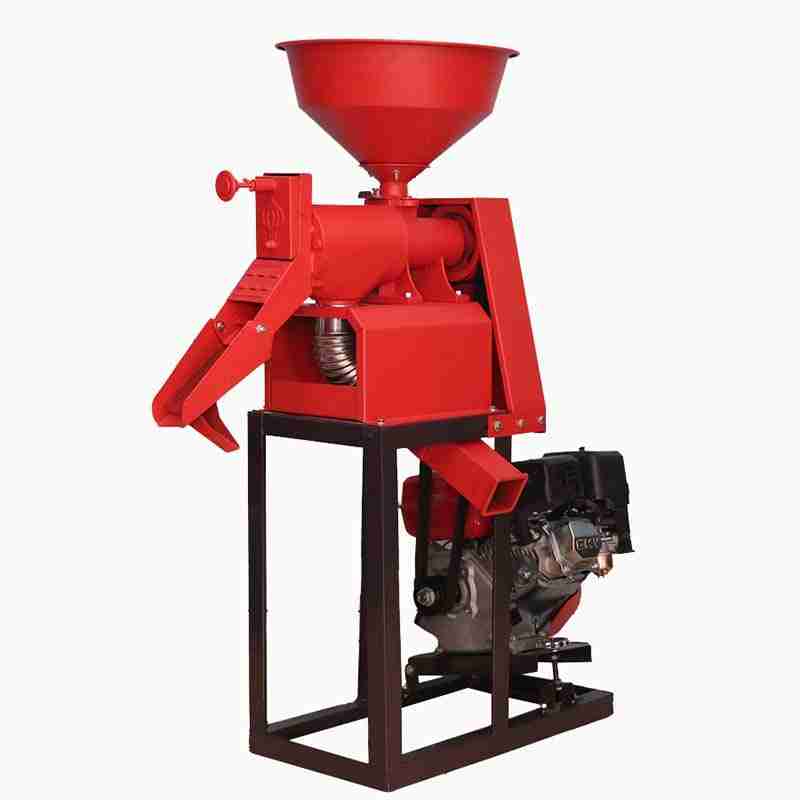
Understanding the mini rice mill: A Game Changer in Agriculture
The advent of the mini rice mill has truly revolutionized the agricultural landscape, particularly in rice-producing regions around the world. These compact machines are designed with modern technology, enabling farmers to efficiently process their harvested rice with minimal labor and cost. The mini rice mill not only scales down the processing time but also maximizes the output, transforming raw grain into ready-to-sell produce. By integrating advanced milling techniques, these machines ensure consistent quality and reduce the percentage of broken rice, a common issue with larger, conventional mills.
Beyond operational efficiency, the mini rice mill also empowers local farmers economically. The benefits include:
- Reduced Processing Costs: Less energy consumption and fewer resources are needed compared to traditional milling methods.
- Increased Accessibility: Small-scale farmers can now access mill technology, enhancing their capacity to manage production independently.
- Job Creation: Local businesses can emerge around these mills, offering additional employment opportunities.
In addition, the adaptability of mini rice mills allows for seamless integration into existing agricultural practices. Many models are designed to accommodate various rice types and can even perform additional functions, such as hulling and polishing. This versatility not only caters to diverse market needs but also ensures that farmers can meet evolving demands without incurring significant overhead.

The Economic Impact of Mini Rice Mills on Smallholder Farmers
The advent of mini rice mills has transformed the landscape for smallholder farmers, enabling them to process their harvests with unprecedented efficiency. These compact machines have made it feasible for farmers to mill rice on-site, significantly reducing transportation costs and time delays associated with traditional milling practices. Additionally, by modernizing milling operations, these mini mills allow farmers to retain a greater share of the profits, as they eliminate the middlemen that typically inflate prices. The shift to localized milling not only empowers farmers economically but also enhances their bargaining power in the market.
Furthermore, the benefits of mini rice mills extend beyond individual farmers to entire farming communities. This innovation fosters a more cohesive local economy by creating job opportunities not only in milling but also in ancillary services such as repair and maintenance. As smallholders band together to invest in these mills, they cultivate a sense of community ownership that further strengthens their economic position. The net effect is a revitalized agricultural sector that promotes sustainable practices, boosts food security, and contributes to overall rural development. The impact of this revolution transcends mere economics; it weaves a narrative of resilience and progress among smallholder farmers.
Technological Innovations Driving the mini rice mill Surge
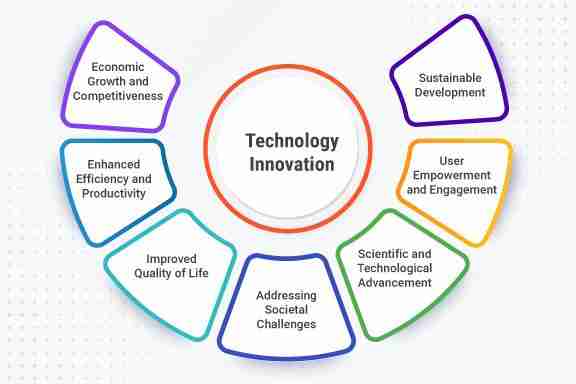
The surge in mini rice mills can be traced back to a wave of technological innovations that have transformed traditional milling processes. Modern mini rice mills now incorporate advanced features like automatic husking, polishing mechanisms, and improved energy efficiency. These advancements have significantly reduced the loss of milled rice, enabling farmers and mill operators to maximize their yield. Additionally, the integration of smart technology allows for real-time monitoring and adjustments, ensuring optimal milling performance and quality control.
The use of sustainable materials in the production of mini rice mills has also played a crucial role in their rising popularity. With environmental concerns at the forefront, manufacturers are increasingly opting for eco-friendly components and practices. Moreover, the affordability and compact design of these mills make them accessible to small-scale farmers and rural entrepreneurs. The following features exemplify the impact of technological advancements on this new generation of mills:
- Automated operation: Reducing labor costs and dependency on manual work.
- Energy-efficient systems: Lowering operational costs and carbon footprints.
- Modular design: Allowing for easy transport and installation in various locations.
- Remote monitoring: Enabling oversight and troubleshooting from afar.
Sustainability and Efficiency: Recommendations for Future Adoption
To fully harness the potential of mini rice mills for sustainable agriculture, farmers and mill operators must prioritize integrating innovative practices that bolster both sustainability and operational efficiency. A focus on renewable energy sources for powering these mills can significantly reduce their carbon footprint. Utilizing solar panels not only decreases reliance on fossil fuels but also lowers operational costs in the long run. Additionally, promoting the use of high-quality, energy-efficient machinery can enhance productivity while minimizing waste. Key recommendations include:
- Implementing training programs for farmers to master efficient techniques in rice processing.
- Encouraging the cultivation of drought-resistant rice varieties to optimize resource use.
- Establishing partnerships with local co-operatives to facilitate sharing of knowledge and resources.
The adoption of these practices can lead to a transformative approach in rice milling across the sector, benefiting both the environment and the economy. It is equally important to invest in research and development for improving processing technologies that prioritize low energy consumption and maximum output. For this, creating an open dialogue among stakeholders including government bodies, NGOs, and the private sector will be vital. A collaborative effort would foster innovations such as:
| Innovation | Impact |
|---|---|
| Biomass-powered mills | Reduce energy costs and recycle waste |
| Smart irrigation systems | Conserve water and optimize yield |
| Mobile Apps for farmers | Improve access to market data and best practices |
Wrapping Up
As we conclude our exploration of the mini rice mill revolution, it becomes clear that efficiency is being redefined in the world of agriculture. The advent of these compact and versatile machines has not merely transformed the grain milling process; it has reimagined the very fabric of rural livelihoods and farming practices. By empowering smallholder farmers with access to affordable technology, we witness a promising shift towards sustainable development and economic resilience.
The mini rice mill stands at the intersection of tradition and innovation, bridging the gap between age-old practices and modern efficiency. As we move forward, it will be essential to continue supporting these advancements while fostering a collaborative spirit among communities, technology developers, and policymakers. The journey towards a more efficient and sustainable agricultural landscape is only just beginning, and with each revolution spurred by ingenuity, we inch closer to a future where productivity harmonizes with ecological balance.
In this shifting paradigm, we invite readers to reflect on the broader implications of such innovations and to consider how embracing change can lead to a more equitable and prosperous tomorrow for farmers worldwide. As the mini rice mill continues to make its mark, let us support this revolution and cultivate a deeper understanding of the potential it holds for global food security and economic empowerment.




