
In the heart of rural landscapes, where tradition meets innovation, a quiet revolution is unfolding—one that holds the promise of transforming the agricultural landscape for farmers everywhere. Introducing the mini rice mill plant, a compact and efficient solution that empowers farmers to take control of their harvests while maximizing their profits. As the backbone of food security in many regions, rice cultivation plays a pivotal role in the livelihoods of millions. However, the journey from paddy to polished grains is often fraught with challenges. This article delves into the myriad benefits of mini rice mill plants, exploring how they not only simplify the milling process but also enhance productivity, reduce wastage, and open doors to new market opportunities. Join us as we uncover why this innovative approach is not just a boon for farmers, but a key player in the sustainable future of the agricultural industry.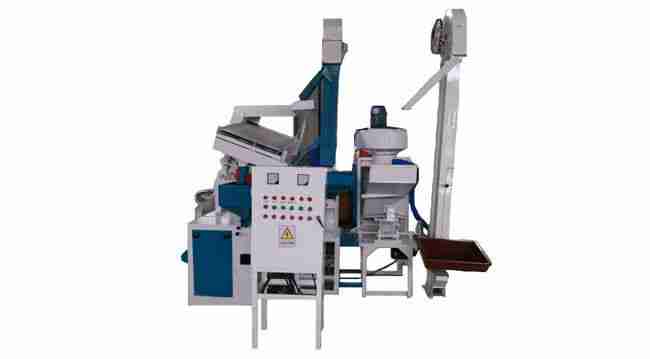
Unleashing Efficiency: How a mini rice mill Plant Transforms Harvests
In the fast-paced world of agriculture, where timely processing can significantly impact profitability, the adoption of a mini rice mill plant signifies a pivotal breakthrough for farmers. With these compact mills, farmers can efficiently transform their rice harvests into market-ready produce right on their own farms. This immediacy not only reduces post-harvest losses but also enhances the quality of the rice, ensuring that farmers can meet consumer demands. By using a mini rice mill, farmers gain advantages that traditional milling methods cannot offer, allowing them to reclaim valuable time and resources.
Furthermore, the benefits extend beyond mere convenience. mini rice mill plants are designed with sustainability in mind, making them an eco-friendly alternative. Here’s how they boost efficiency:
- Reduced Labor Costs: Automation replaces manual processes, cutting down on the need for extensive labor.
- Lower Transportation Expenses: Processing on-site eliminates the need for transporting harvested rice to distant mills.
- Improved Rice Quality: The precision of modern milling technology yields superior quality rice with fewer broken grains.
- Increased Revenue Streams: Farmers can sell both rice and by-products, such as husk and bran, enhancing their income.
A summary of the key advantages of deploying a mini rice mill plant can be encapsulated in the table below:
| Advantage | Description |
|---|---|
| Efficiency | Speeds up the milling process with automated features. |
| Cost-Effective | Reduces operational costs through minimized labor and transportation. |
| Quality Control | Ensures high-quality output with better grain integrity. |
| Environmental Impact | Promotes sustainable farming practices through local processing. |

Cost-Effectiveness in Action: The Financial Advantages for Farmers
Investing in a mini rice mill plant offers direct financial benefits to farmers, enhancing their overall productivity and profitability. With lower operational costs compared to larger milling units, these compact systems provide an efficient way to process their harvest right on their own farms. This means that farmers can avoid the high fees associated with third-party milling services and reduce the transportation costs that come with moving rice to distant milling locations. The immediate impact of this can be significant, resulting in enhanced profit margins.
Additionally, mini rice mills empower farmers to produce quality rice that can be sold at premium prices. By processing their own crop, they maintain control over the milling process, ensuring that they meet quality standards and cater to market demands. Some of the key financial advantages include:
- Reduced Milling Costs: Lower expenses associated with outsourcing rice milling.
- Increased Profit Margins: Ability to sell processed rice directly to consumers or markets.
- Enhanced Product Quality: Control over processing methods leads to superior end products.
To illustrate the potential savings, consider the following table that compares the costs associated with outsourcing rice milling against those incurred with a mini rice mill plant:
| Cost Factors | Outsourcing Milling | mini rice mill Plant |
|---|---|---|
| Milling Fees (per ton) | $50 | $10 |
| Transportation Costs | $15 | Negligible |
| Quality Control Costs | Varies | Minimal |
| Total (per ton) | $65 | $10 |
This comparison highlights just how much farmers stand to gain when they opt for a mini rice mill plant, making it a smart investment that delivers impressive financial returns over time.

Enhancing Product Quality: The Role of Mini Rice Mills in Rice Processing
In the quest for superior rice quality, mini rice mills have become essential tools for farmers. These compact machines not only streamline the milling process but also enhance the overall quality of rice produced. With their advanced technology, mini rice mills are designed to minimize breakage and retain the natural nutritional value of the grains. This allows farmers to achieve a higher market price for their produce, as consumers increasingly demand premium-quality rice. Furthermore, the use of mini rice mills contributes to the reduction of post-harvest losses, helping farmers maintain higher yields and better economic returns.
Moreover, the implementation of mini rice mills promotes greater efficiency in rice processing, providing numerous benefits beyond just quality improvement. Some key advantages include:
- Cost-effectiveness: Lower operational costs compared to larger mills.
- Energy efficiency: Minimal power consumption, which is ideal for rural settings.
- User-friendly design: Easy operation for farmers with varying skill levels.
- Fast processing time: Increased output to meet high demand.
With these benefits, it becomes clear that mini rice mills are invaluable assets in the agricultural landscape, fostering both productivity and sustainability in rice farming.
Empowering Farmers: Community Impact and Sustainable Agriculture Solutions
The introduction of a mini rice mill plant has significant implications for local farming communities, especially in rural regions where rice is a staple crop. By providing farmers with access to processing technology, these plants help reduce post-harvest losses significantly. Farmers who previously relied on distant milling facilities can now enjoy increased efficiency and greater profits. With the ability to process their own grain, farmers can ensure higher quality rice, retain more of the value of their product, and ultimately enhance their income stability. Moreover, the local processing of rice creates job opportunities, fostering community engagement and economic growth.
Additionally, mini rice mills play a vital role in promoting sustainable agricultural practices. By investing in such technology, farmers can adopt eco-friendly practices that reduce waste and lower environmental impact. Among the benefits are:
- Reduced Transportation Emissions: Local processing minimizes the need for long-distance transport.
- Waste Utilization: Byproducts like husk can be transformed into biofuel or organic fertilizers.
- Resource Efficiency: Precise milling techniques lead to higher yield extraction.
To visualize the impact of mini rice mills on local agriculture, consider the following comparison:
| Impact Factor | Traditional Method | With mini rice mill |
|---|---|---|
| Post-Harvest Losses | 25% | 10% |
| Processing Time | 2-3 days | Few hours |
| Income Retained | 50% | 70% |
These statistics highlight the transformative potential of implementing mini rice mill plants within farming communities, ultimately leading to a more prosperous and sustainable agricultural landscape.
Key Takeaways
the emergence of mini rice mill plants marks a significant advancement in the agricultural landscape, particularly for small and medium-scale farmers. By integrating efficiency and affordability, these compact facilities not only streamline the rice milling process but also empower farmers to take charge of their produce. As we’ve explored, the benefits extend beyond mere convenience, fostering greater independence, improving product quality, and enhancing profitability. As the agricultural sector continues to evolve, embracing innovations like mini rice mills can pave the way for a more sustainable and prosperous future for farmers everywhere. By harnessing the power of these modern solutions, farmers can cultivate not just crops, but a thriving legacy for generations to come.




