In the bustling world of breakfast foods, cereal stands as a perennial favorite, offering a blend of taste, convenience, and nutrition to millions around the globe. Though, the journey from grain to bowl is far from straightforward; it involves a series of intricate processing techniques that can substantially impact both product quality and production efficiency. As the demand for diverse cereal options continues to rise, so too does the need for manufacturers to refine their processing strategies. This article embarks on a comprehensive exploration of cereal processing techniques, delving into the precision methods that govern production, the performance metrics that gauge success, and the strategic decision factors that shape operational choices. By comparing these elements, we aim to illuminate pathways for innovation and optimization in an industry where every grain counts. Join us as we navigate the complex landscape of cereal processing, where art meets science, and tradition intertwines with technological advancement.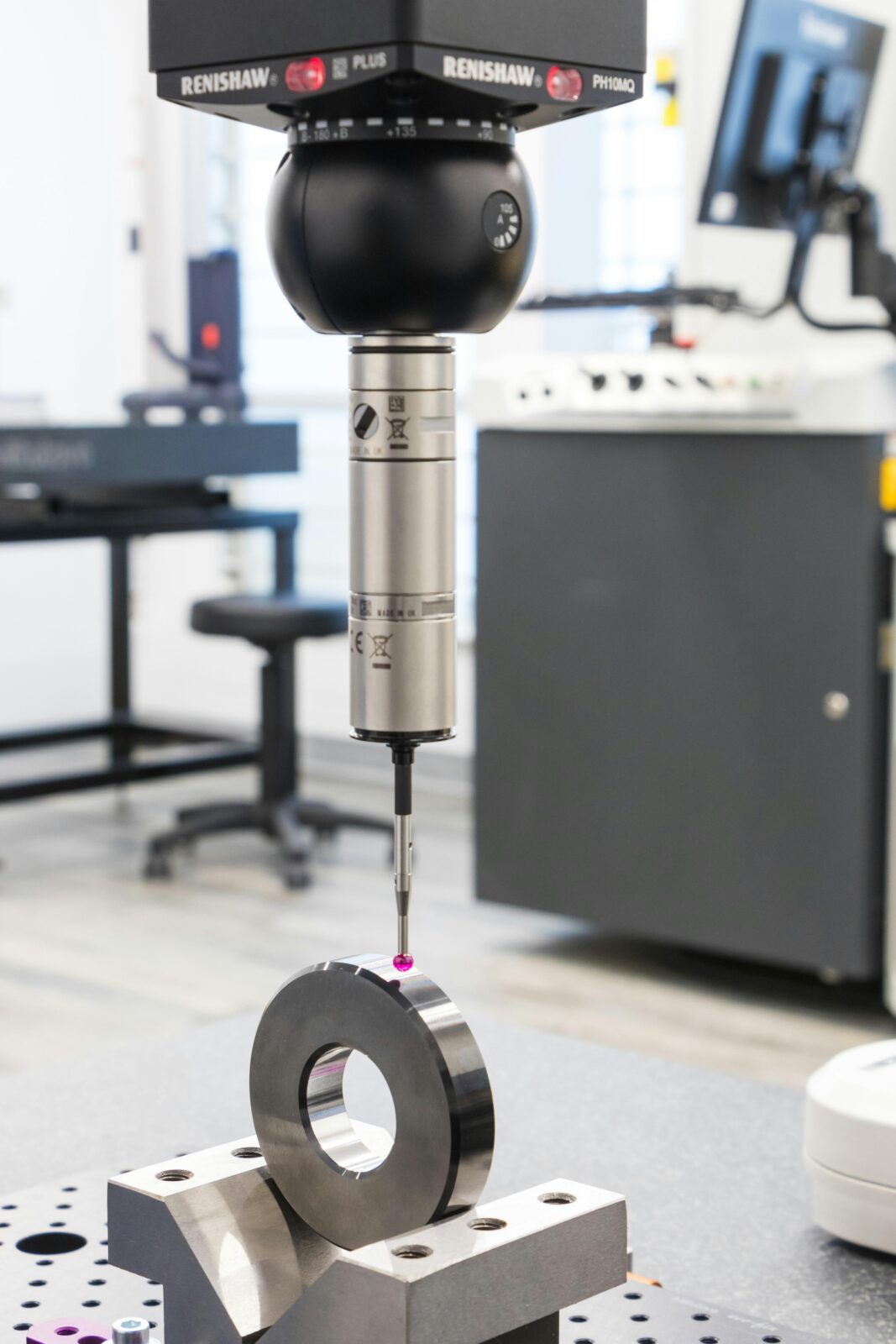
Precision Engineering in Cereal Processing: Balancing Performance and Quality Benchmarking
Precision engineering plays a crucial role in cereal processing by ensuring that each step of the manufacturing workflow adheres to strict quality and performance standards. Key mechanisms involved include automated control systems, wich optimize temperature, humidity, and duration during various stages such as milling, puffing, and toasting. These systems rely on real-time data acquisition to adjust parameters dynamically, which can significantly enhance product quality and consistency. For instance, a study demonstrated that adjustments in milling time by precision engineering improved flour particle size distribution, resulting in better baking performance. Criteria for performance benchmarking frequently enough include:
- Yield efficiency: The ratio of output to input in cereal processing.
- Quality metrics: Parameters such as moisture content, granulation, and nutritional value.
- Equipment reliability: Downtime versus operational availability during processing.
furthermore, process logic should incorporate feedback loops where continuous monitoring allows for adjustments based on empirical performance data collected during processing runs. Specifications for equipment, such as the type of milling technology (roller mills versus stone mills), greatly influence end-product characteristics. While precision technologies can lead to superior quality, limitations include the initial capital investment and the need for skilled personnel to manage the advanced systems.
To effectively balance performance and quality, cereal processors must consider multiple performance factors. These may include energy consumption, maintenance costs, and throughput capacities. For example, the use of high-efficiency roller mills can optimize output but may require more frequent maintenance than customary milling methods. A comparative analysis might yield a performance table like the following:
| Method | Throughput (kg/h) | Energy Consumption (kWh/kg) | Maintenance Cost (% of total) |
|---|---|---|---|
| roller mill | 500 | 0.3 | 10% |
| Stone Mill | 300 | 0.5 | 5% |
Through such comparisons, processors can strategically decide on the best methods to adopt for their operational goals. Integrating precision engineering with quality benchmarking,therefore,not only maximizes performance outputs but also aligns product specifications with market demands through enhanced product quality.
Material Innovations and Their Impact on Cereal Production Efficiency and Strategic Outcomes
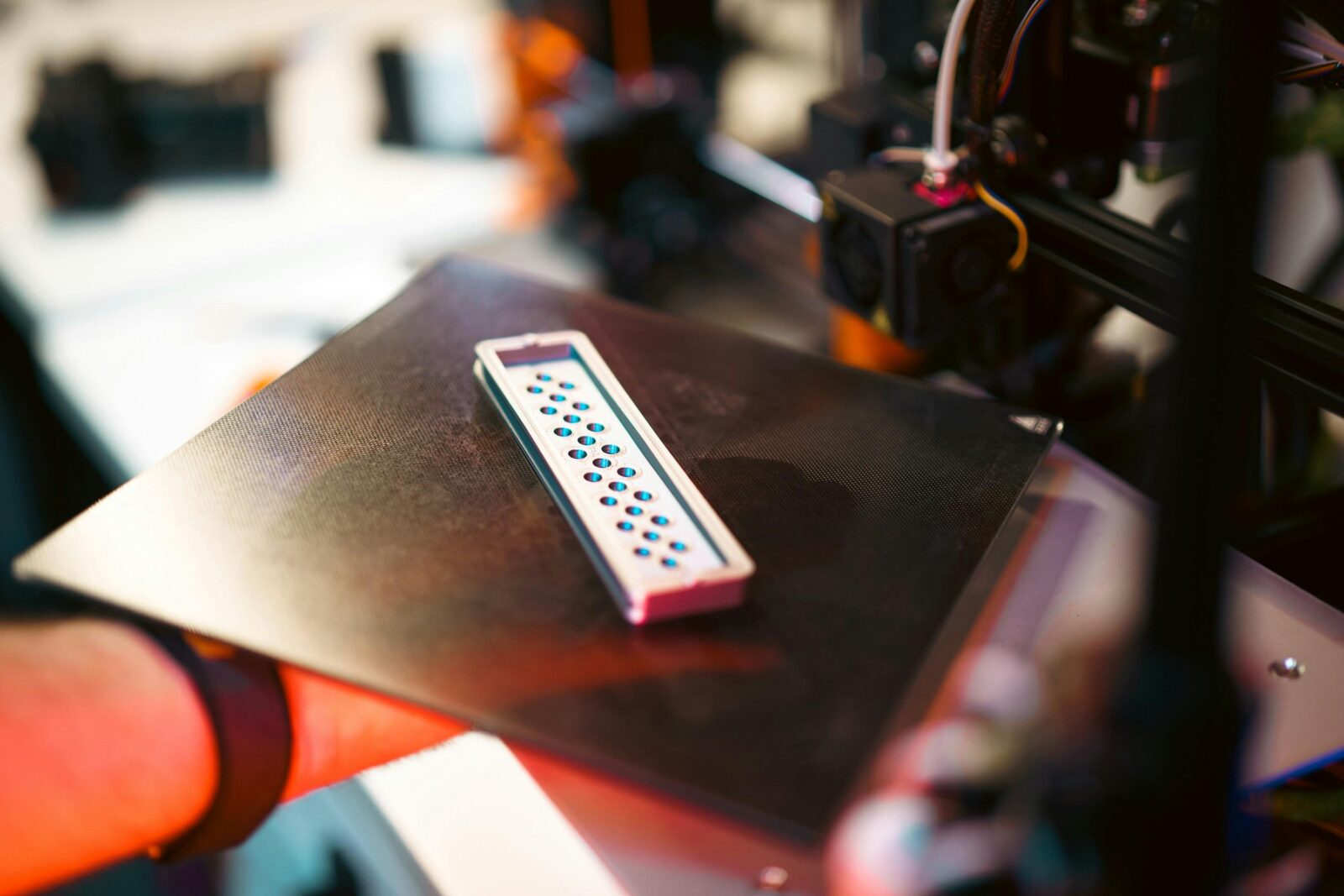
Recent material innovations have significantly enhanced the efficiency of cereal production through the growth and deployment of advanced processing techniques. One such innovation is the incorporation of nanomaterials in grain storage systems, which has been shown to improve moisture control and reduce spoilage. Nanostructured coatings can be applied to storage silos,providing an effective barrier against pests and pathogens while maintaining optimal humidity levels. Additionally, the use of bioplastics for packaging cereal products minimizes environmental impact, aligning with sustainability goals while ensuring product integrity over longer shelf lives. the combination of these materials not only boosts the overall efficiency of cereal processing but also enhances the strategic positioning of manufacturers in a competitive market.
When evaluating the impact of these innovations, several key performance metrics emerge, including reduction in waste, increased shelf life, and improved consumer acceptance. For example, a comparative analysis of storage methods using traditional materials versus advanced nanomaterials reveals a important reduction in spoilage rates—up to 30% in some cases—due to better moisture control. Though, depending on the production scale and resource allocation, such advanced materials can present limitations; higher initial costs and the need for specialized equipment may present barriers for smaller producers. Performance factors to consider include the technology’s scalability,the potential for integration with existing processing systems,and the adaptability to local market preferences. A succinct overview of the comparative effects of material innovations can be summarized in the following table:
| Innovation Type | Efficiency Gain (%) | Initial Cost (USD) | Scalability | Limitations |
|---|---|---|---|---|
| Nanomaterials | 20-30 | High (5,000-20,000) | High | Requires specialized training |
| Bioplastics | 15-25 | Moderate (3,000-15,000) | Medium | Variable sourced materials |

Navigating Performance Metrics: A Technical Framework for Enhancing Cereal Processing Techniques
To effectively enhance cereal processing techniques, understanding and navigating performance metrics is essential. These metrics serve as a foundation for analyzing the efficiency, yield, and quality of processed cereals.Key performance indicators (KPIs) include:
- Operational efficiency: Measured through throughput rates and machine uptime.
- Product quality: Assessed via moisture content, granulation size, and nutritional analysis.
- Energy consumption: evaluated in relation to yield, often reported as kilowatt-hours per ton of processed cereal.
- Material waste: The percentage of raw materials lost during processing stages, impacting overall yield.
To analyze these metrics effectively, a structured process logic can be employed. as an example, implementing a Quality Monitoring System (QMS) can ensure that product quality metrics are continuously tracked and adjusted in real-time.Comparative analysis between traditional and advanced processing methods, such as using enzymatic treatment versus conventional milling, reveals significant differences in moisture content retention and nutritional profiles. However, limitations exist; for example, while enzyme treatments can improve yield, they may increase operational complexity and costs. Table 1 summarizes these trade-offs:
| Method | Yield Improvement (%) | Cost Increase (%) | Complexity Level |
|---|---|---|---|
| Conventional Milling | 10 | 0 | Low |
| Enzymatic Treatment | 25 | 15 | High |
Performance factors such as equipment maintenance, operator training, and adherence to quality standards can significantly influence these metrics. Regular calibration of processing machines ensures that throughput rates remain optimal while minimizing material waste. furthermore, strategic decisions should include evaluating the scalability of processing techniques against market demand fluctuations, enabling tailored production processes that align with both quality and efficiency objectives.

Comparative Evaluation of Processing Methods: Critical Insights into Limitations and Optimization Strategies
The comparative evaluation of cereal processing methods reveals significant technical distinctions, crucial for optimizing outcomes and enhancing product quality. Three widely utilized methods include traditional milling, roller milling, and stone milling, each possessing unique mechanisms and performance characteristics:
- Traditional Milling: Relies on mechanical force to grind grain, resulting in greater heat generation and potential nutrient degradation. It is often more labor-intensive and produces varying particle sizes.
- Roller Milling: Employs a series of rotating steel rollers to create precise particle size reduction. This method enhances mechanical efficiency and allows for controlled separation of bran and germ from endosperm, but it may lead to nutrient losses if not carefully managed.
- Stone Milling: Known for retaining more nutrients owing to its lower friction and temperature, stone milling produces larger, coarser particles, potentially affecting baking quality.
To assess these methods effectively, criteria such as yield, energy efficiency, and product consistency must be carefully considered. For instance, a study measuring the energy consumption of roller versus stone milling indicated that roller milling achieves higher throughput with lower energy use when processing high volumes but at a potential decline in the nutritional profile of the flour produced. Limitations arise from operational costs, with roller mills demanding higher initial investments compared to traditional methods.Optimization strategies may involve employing hybrid systems that combine the efficiencies of roller milling with the nutritional benefits of stone milling. By leveraging current advances in mechanical engineering and process automation, processors can implement targeted adjustments, creating customized processing parameters that optimize performance while addressing the unique compositional characteristics of the cereals being processed.
Closing Remarks
the landscape of cereal processing is at a pivotal juncture, where the integration of precision techniques can redefine efficiency and quality in this staple industry. Our comparative analysis not only highlights the diverse methodologies employed but also underscores the importance of performance metrics and strategic decision-making in enhancing overall processing efficacy. As we move forward, the insights derived from this exploration are poised to guide stakeholders—whether they be producers, researchers, or industry leaders—in making informed choices that align with both market demands and sustainability goals. Embracing these advanced techniques will not only elevate the standards of cereal production but also ensure that we continue to meet the nutritional needs of a growing global population. The future of cereal processing is ripe with potential; it is indeed now up to us to harness it wisely.