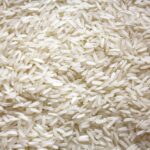
In the heart of agriculture lies an essential grain that has nourished civilizations for thousands of years: rice. As the demand for this staple food continues to surge globally, the pressures on paddy processing plants have never been greater. Efficient processing not only impacts the quality and quantity of the end product but also plays a pivotal role in sustainability and economic viability. this article takes a deep dive into the intricate world of paddy processing, exploring the cutting-edge technologies that are redefining efficiency, the specifications that set the standard for performance, and the metrics that help plant operators evaluate thier output. Through a complete analysis, we aim to illuminate the pathway toward enhanced productivity in paddy processing, shedding light on the innovations and practices that can transform operations into seamlessly efficient systems. Join us as we unravel the complexities of this indispensable industry, revealing how optimized efficiency is not just a goal, but a necessity for the future of rice production.
Innovative Material Utilization in Paddy Plant Design for Enhanced Operational Performance
Innovative material utilization in paddy plant design significantly optimizes operational performance by leveraging advanced materials that enhance structural integrity, reduce weight, and improve energy efficiency. Key materials such as high-strength steel and composites are increasingly being integrated into plant machinery and processing structures. As an example, the use of aluminum alloys in husking machines has reduced overall equipment weight, thus enhancing mobility and reducing energy consumption during operation. Additionally, incorporating high-performance polymers in conveyor systems can mitigate wear and tear, thus extending service life and reducing maintenance costs. though, these innovative materials come with specific criteria such as thermal stability, resistance to moisture, and adaptability to various processing conditions, which must be meticulously evaluated before implementation.
Performance factors play a critical role in the operational effectiveness of paddy processing plants. Comparisons between traditional materials and innovative alternatives reveal several benefits, such as increased throughput, lower downtime, and higher yield percentages. Here’s a brief comparison:
| Material Type | Advantages | Limitations |
|---|---|---|
| Traditional Steel | Cost-effective, high durability | Heavier, prone to corrosion |
| High-Strength Steel | Lightweight, corrosion-resistant | Higher initial cost |
| Composites | Superior energy efficiency, less maintenance | complex manufacturing process |
The integration of these innovative materials is subject to several limitations including the cost-benefit ratio, availability of raw materials, and the complexity of sourcing qualified suppliers. Moreover, performance metrics such as energy consumption rates, mechanical resilience, and operational life span must be rigorously analyzed to ensure that these materials fulfill the demands of modern paddy processing plants effectively.

Evaluating Technological Advancements: Key Specifications and Their Impact on Processing Efficiency
Evaluating the technological advancements in paddy processing plants necessitates a detailed examination of key specifications that directly affect processing efficiency. central to this assessment are the machinery and systems employed in the processing lines, including huskers, separators, and dryers. Each piece of equipment has performance metrics such as capacity (measured in tons per hour), energy consumption, and operational reliability that dictate efficiency levels. Enhanced husker technologies, for example, effectively minimize broken rice during milling, leveraging pneumatic systems and adjustable pressure mechanisms. Key specifications might include:
- Throughput Capacity: Higher throughput rates can significantly reduce processing time.Systems yielding capacities exceeding 1.5 tons per hour are now commonplace in modern setups.
- Energy Consumption: Energy-efficient models (rated <1.5 kWh) not only lower operating costs but also decrease the carbon footprint, aligning with sustainability goals.
- Maintenance Ease: Equipment designed for easier access and quicker part replacement enhances uptime and overall productivity.
When comparing different technologies, factors such as processing yield and quality output are pivotal.For instance, sensor-based grading systems can accurately segregate paddy based on moisture content, substantially improving quality and reducing reprocessing losses. Limitations also play a critical role; for example, over-reliance on automated systems may lead to initial high capital investments, posing challenges for smaller operations. Additionally, the adaptability of machinery to various paddy varieties can significantly impact the yield and quality, necessitating thorough testing under diverse conditions. Understanding these parameters allows stakeholders to make informed decisions about technology investments that align with operational goals,thus fostering improved productivity.
Integrating process Optimization Techniques to Maximize Yield and Minimize Waste in Paddy Processing
Integrating process optimization techniques in paddy processing plants is essential for maximizing yield and minimizing waste throughout the production cycle. Techniques such as Lean Manufacturing, Six Sigma, and Statistical Process Control (SPC) can be effectively implemented to streamline operations. Lean Manufacturing focuses on eliminating non-value-adding activities, enabling plants to reduce processing times and inventory levels. For example, value stream mapping can identify bottlenecks where excess time or resources are consumed, allowing for targeted interventions. Meanwhile, Six Sigma employs data-driven methodologies to identify defects in the processing stages—like broken kernels during milling—using tools such as DMAIC (define, Measure, Analyze, Improve, Control) to achieve near-perfect quality standards. employing Statistical Process Control ensures that key operational parameters, such as moisture content and milling degree, remain within defined limits, enhancing consistency and reducing variability in end products.
The performance of these optimization techniques can be evaluated through specific metrics. Key performance indicators (KPIs) for paddy processing might include overall equipment effectiveness (OEE),percentage of yield (actual output versus potential output),and waste reduction ratios. A robust specification for the milling stage could be set, as a notable example, at an OEE of >85% and a yield target of 68%, considering factors such as breakage rates and head rice yield. Comparing traditional processing methods with implemented optimizations often reveals considerable differences; plants employing advanced techniques frequently report up to a 15-20% increase in yields while achieving a 30% reduction in waste. Though, limitations such as the initial investment in technology and the need for skilled personnel to operate advanced systems frequently enough challenge feasibility. Moreover, any process changes require careful management to ensure that product quality is not compromised, necessitating rigorous testing and validation of new methods.
Comparative Analysis of Performance Metrics in Modern Paddy Processing Systems: Lessons learned and Future Directions
In the realm of paddy processing, a comparative analysis of performance metrics across modern systems reveals critical insights into operational efficiency and technological efficacy. Key performance indicators (KPIs) such as throughput capacity, energy consumption, and grain breakage rates serve as essential benchmarks for evaluating processing systems. Such as, while traditional systems typically exhibit a throughput of 1.5 to 2.0 tons per hour, advanced technologies incorporating multi-stage rice mills can enhance this to upwards of 4 tons per hour. This advancement is largely due to the integration of automated feed mechanisms and precision milling techniques that minimize downtime and product loss. To further illustrate, in analyzing energy consumption, systems employing infrared sensors for moisture control can use up to 30% less energy compared to conventional air drying methods, highlighting the significance of incorporating modern sensors and controls for optimized performance.
However, challenges and limitations persist, necessitating a thorough evaluation of various processing strategies.For instance, while high-capacity systems may offer superior throughput, they are often linked to increased capital costs and maintenance requirements. Moreover, variations in paddy quality can affect milling yield and quality, leading to discrepancies in the performance metrics across different environments. This underlines the importance of adapting processing parameters such as dehusking intensity and polishing duration to specific grain types. A comparison of short- and long-grain rice processing reveals that long-grain varieties typically require more precise polishing settings to achieve similar quality outcomes without excessive breakage. As the industry moves forward, leveraging advanced data analytics and IoT technologies for real-time performance monitoring will be pivotal in refining these metrics, thereby paving the way for enhanced operational frameworks and sustainability in paddy processing.
Final Thoughts
the realm of paddy processing plants stands at the intersection of tradition and innovation, and optimizing efficiency is no longer a mere aspiration but a necessity. As we have explored in this comprehensive analysis, the integration of advanced technologies, adherence to precise specifications, and a keen focus on performance metrics can significantly elevate operational efficacy.From automation and precision milling to real-time monitoring and data analytics, each component plays a vital role in transforming raw paddy into quality rice with minimal waste and maximum yield.
As the agricultural landscape continues to evolve, embracing these strategies will not only enhance profitability but also ensure sustainability in a world increasingly aware of its environmental footprint. The journey of optimizing paddy processing is ongoing, and with a commitment to continuous improvement and adaptation, stakeholders can thrive amidst the challenges of modern-day agriculture. We invite you to reflect on the insights shared here and encourage you to explore how these approaches can be tailored to your own operations, thus cultivating a future where both efficiency and quality are paramount. Thank you for joining us on this exploration of paddy processing excellence.