In the ever-evolving landscape of food production, cereals stand as a cornerstone of our global diet, offering sustenance and versatility that transcends cultures and cuisines. Yet, the journey from field to table is anything but straightforward. behind the comforting crunch of our morning bowl lies a complex tapestry of processing methods, each with its own set of advantages and challenges. As the demand for efficiency and quality intensifies, manufacturers are faced with a pivotal question: How can they optimize cereal processing to meet the needs of a dynamic market while maintaining quality and sustainability?
This article embarks on an exploration of the multifaceted approaches to cereal processing, dissecting the technical intricacies that define each method. We will delve into comparative analyses of processing techniques, evaluate their performance metrics, and highlight key decision factors that influence production efficiency. By embracing a neutral lens, we aim to illuminate the pathways to innovation within this vital industry. Join us as we navigate the intersection of tradition and technology, uncovering the strategies that hold the potential to reshape cereal production for generations to come.
Innovative Approaches to Cereal Processing: Analyzing Material Behavior and Method Efficacy
innovative approaches to cereal processing have begun to emphasize the critical analysis of material behavior alongside method efficacy to enhance production efficiency. Different processing techniques, such as extrusion, flaking, and milling, exhibit unique influences on the physical and chemical properties of cereals. For instance, the submission of extrusion cooking not only gelatinizes starch but also serves to inactivate enzymes and reduce antinutritional factors. This technique can yield products with enhanced digestibility and improved nutritional profiles. Key criteria for evaluating these methods include energy consumption, product texture, and moisture retention. Additionally, understanding the rheological behavior of the feed material during processing is essential; materials with high viscosity may require adjustments in shear rate or temperature to maintain flow and optimize processing efficiency.
Furthermore, the efficacy of each method can be systematically compared using performance metrics such as yield percentage, nutrient retention rates, and consumer sensory preferences. Such as, when comparing steam flaking and dry rolling, the steam flaking process generally results in a higher rate of starch gelatinization, which is crucial for improving feed efficiency in livestock. Limitations also play a important role in method selection; while extrusion may enhance shelf stability, it often involves higher capital investment and operational complexity. Important performance factors to consider include scaling up the process without compromising product consistency, maintaining energy efficiency, and complying with safety regulations. A comparative summary could look like this:
| Processing Method | Product Yield (%) | Energy Consumption (kWh/kg) | Nutrient Retention (%) | Capital Cost ($) |
|---|---|---|---|---|
| Extrusion | 85-90 | 0.5-1.5 | 70-80 | 100,000+ |
| Flaking | 80-85 | 0.3-0.7 | 85-90 | 50,000-80,000 |
| Dry Rolling | 75-80 | 0.2-0.5 | 75-80 | 30,000-60,000 |

Assessing Process Performance: Quality Metrics and Their Influence on Cereal Production Decisions
To make informed decisions in cereal production,it is critical to assess process performance through quality metrics. These metrics often include yield rate,moisture content,protein levels,and purity index,which provide quantifiable insights into product quality and production efficiency. The yield rate indicates the amount of usable product obtained from raw materials; for instance,a higher yield rate in the extraction of flour from wheat can signify effective milling practices. Moisture content directly impacts shelf life and product stability, with optimal levels generally ranging from 12-14% for flour. Protein levels are essential for determining the baking qualities of flour, where high-protein wheat is preferable for bread production.Lastly, the purity index assesses the product’s contamination levels, ensuring that end products meet quality safety standards. Proper calibration of these metrics allows cereal processors to fine-tune their operations, monitor quality control, and adjust production parameters dynamically.
Comparisons among different processing methods—such as conventional milling, stone grinding, and advanced air-classification systems—reveal significant influence on these quality metrics. Table 1 illustrates the performance factors associated with each method:
| Processing Method | Yield Rate (%) | Moisture Content (%) | Protein Level (%) |
|---|---|---|---|
| Conventional Milling | 75-80 | 12-14 | 10-12 |
| Stone Grinding | 70-75 | 12-16 | 12-14 |
| Air-Classification | 80-85 | 10-12 | 11-13 |
Each method comes with its unique limitations and advantages that directly affect decision-making in cereal production. For example, while air-classification can achieve a higher yield and lower moisture, it may require more costly equipment and result in higher energy consumption. Conversely, conventional milling is widely adopted due to its cost-effectiveness but might not yield the same protein quality as stone grinding. Therefore, strategic alignment of production methods with desired quality metrics is paramount for optimizing overall production efficiency.

Engineering Efficiency in Cereal Manufacturing: A Comparative study of Technological Innovations
In an industry marked by constant technological evolution,understanding the efficiency of various cereal manufacturing processes is critical for optimizing production. Recent technological advancements in cereal manufacturing, such as extrusion, flaking, and drying, illustrate differing efficiencies in terms of energy consumption, processing time, and product quality. For instance, extrusion technology allows for simultaneous cooking, shaping, and drying, significantly reducing the processing time and enhancing nutritional features by retaining more vitamins and minerals. In contrast, flaking processes, which involve milling and subsequent steam treatment, yield flake thickness variations that can affect cooking times and ultimately, consumer acceptance.
When comparing these processes, key performance metrics such as throughput rate, energy utilization, and yield percentage must be considered. For example, a side-by-side analysis of energy consumption may reveal the following specifications:
| Process Type | Energy Consumption (kWh/ton) | Throughput Rate (tons/hr) | Yield (%) |
|---|---|---|---|
| Extrusion | 150 | 3 | 95 |
| Flaking | 100 | 2 | 90 |
| Drying | 120 | 2.5 | 92 |
This comparison highlights that while flaking technology may have lower energy demands, it compromises throughput and yield. Each technological innovation comes with its limitations; for example, extrusion requires careful control of moisture and temperature to prevent overcooking or under-processing the grains, while conventional methods like flaking rely heavily on labor and may introduce variability due to manual handling. As such, industry stakeholders must not only assess the tangible metrics provided but also account for the implications of each method on overall process management, maintenance demands, and scaling up operations to meet market needs.
Navigating Challenges in cereal Processing: Key Factors Impacting Performance and Output Quality
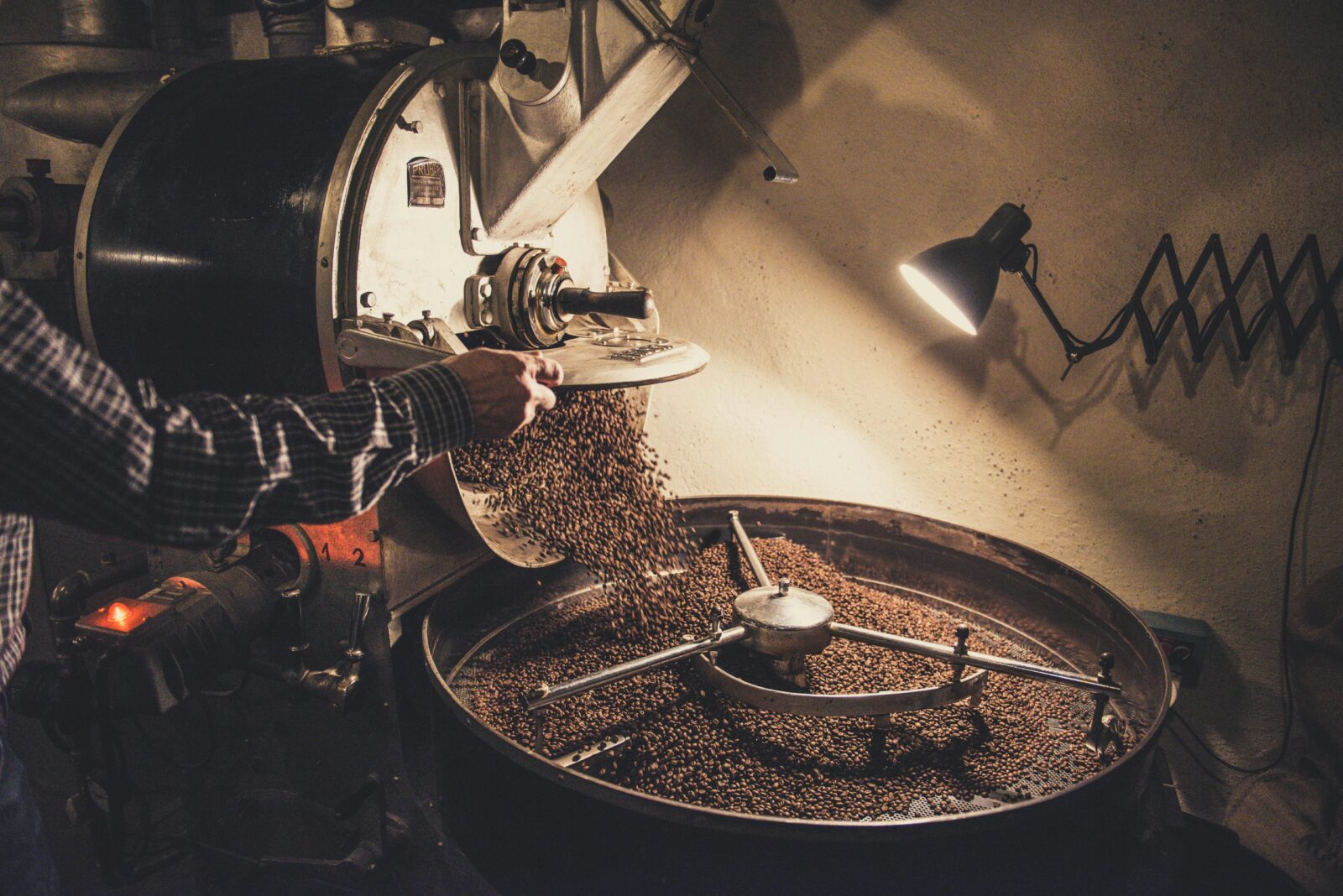
Navigating the complexities of cereal processing requires a thorough understanding of the various challenges that can impede performance and output quality.Key factors influencing these challenges can be classified into mechanical,environmental,and quality control aspects:
- Mechanical Factors: The type and condition of processing equipment significantly impact efficiency. For example, the roller mill is preferred for its precision in achieving desired particle size, but it requires regular calibration to maintain performance. In contrast, the hammer mill can provide rapid throughput but may produce excessive heat, affecting the nutritional quality of the cereal.
- Environmental Considerations: Humidity and temperature during storage and processing can severely alter cereal texture and safety. Elevated moisture levels can lead to fungal growth,prompting strict moisture control protocols during harvesting (typically <5% moisture for long-term storage) and processing.
Additionally, quality control mechanisms are vital for maintaining consistent output. Standardized testing methods such as Near-Infrared Reflectance (NIR) spectroscopy can effectively assess grain quality by evaluating protein and moisture content. It’s important to integrate these tests into the processing workflow to ensure that deviations from quality standards are quickly detected and addressed. The comparison of processing methodologies, such as batch vs. continuous processing, also plays a critical role. While batch processing allows for more control and flexibility, continuous systems can enhance throughput and reduce labor costs, albeit at the risk of inconsistent quality if not properly managed.
Key Takeaways
In the intricate world of cereal processing, where tradition meets innovation, our exploration has illuminated the path toward optimizing production efficiency. by meticulously comparing various methods and performance metrics, we’ve uncovered a tapestry of opportunities that can transform ordinary processing into a streamlined symphony of productivity. As cereal manufacturers stand at the crossroads of decision-making, armed with insights from this analysis, they are better equipped to navigate the complexities of modern production.
The journey does not end here; rather, it marks the beginning of an ongoing dialog about enhancing efficiency and quality in cereal processing. As technology continues to evolve, so will the metrics and methods we utilize, prompting a perpetual reevaluation of our approaches. Embracing this adaptability will not only refine production processes but also align them with the ever-changing demands of consumers and the marketplace.
In this dynamic landscape, prosperous cereal processing is not merely about the methods employed, but the thoughtful decisions made at every stage. As we look toward the future, may our considerations be guided by both technical knowledge and a commitment to excellence, ensuring that the grains of tomorrow are processed with care and precision. Thank you for joining us on this exploration—together, let us cultivate a more efficient, innovative, and enduring cereal processing industry.