
In the lush fields of China, where golden grains sway gently under the sun’s warm embrace, a time-honored tradition unfolds—a symphony of culture, craftsmanship, and sustenance. At the heart of this practice lies the intricate process of rice milling, a pivotal step that transforms harvested paddy into the staple that fuels millions. This article delves into the rich tapestry of Chinese rice milling, exploring not only the technical aspects of the trade but also the deep-rooted customs and communal bonds woven into its fabric. From age-old techniques passed down through generations to the modern machinery that complements them, the story of rice milling is one of resilience, innovation, and an enduring respect for the land and its bounty. Join us as we uncover the vital role this tradition plays in both the lives of individuals and the broader narrative of Chinese culinary heritage.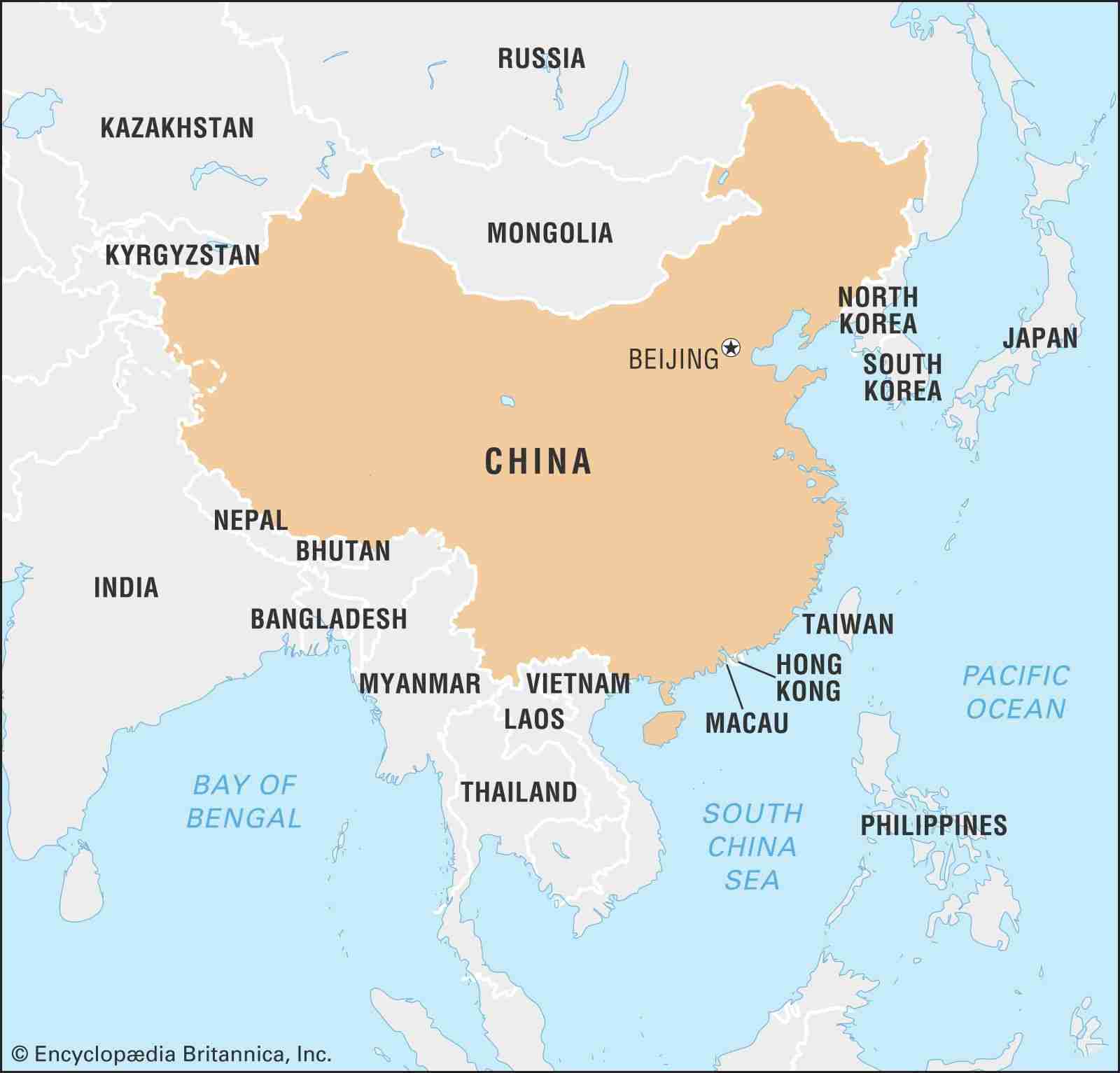
Exploring the Cultural Roots of Rice Harvesting in China
The deep cultural significance of rice harvesting in China can be traced back thousands of years, intertwining with agricultural practices, festivals, and family traditions. Communal effort is a hallmark of the rice harvest, where entire villages come together, sharing the burden and joy of reaping the rewards of their labor. This age-old practice not only strengthens community bonds but also reinforces the connection between people and the land. Through the timing of the harvest, dictated by the lunar calendar, farmers celebrate their dependency on natural cycles, marking the transition of seasons with vibrant festivals such as the Mid-Autumn Festival, where the rice harvest is honored with mooncakes and family gatherings.
Rice, often referred to as “gold” in rural China, reflects not just sustenance but a symbol of prosperity and cultural identity. Varieties grown in local regions showcase the rich biodiversity across the country, from the Jiangsu province’s glutinous rice to the fragrant Yunnan rice. Each type has its own unique method of harvesting and preparation, further emphasizing the rich tapestry of customs associated with rice in various cultures. Traditional tools used during the harvest, such as sickles and threshing baskets, have transcended generations, embodying a historical legacy that is both practical and symbolic. As farmers engage in the harvest, they often participate in songs and chants that echo through the fields, preserving ancient agricultural lore and celebrating the fruits of their labor in a rhythm that resonates with the heart of Chinese heritage.
Innovative Techniques in Modern Rice Milling Practices
In the realm of rice milling, traditional practices are harmonizing with advanced innovations to improve efficiency and quality. One of the standout techniques being embraced is Laser Sorting Technology. This method allows millers to differentiate grains based on color and brightness, effectively removing impurities and ensuring only the finest grains reach consumers. This is paired with Automated Milling Systems, which streamline the entire milling process by using computer algorithms. These systems not only increase the precision of the milling process but also reduce labor costs and improve yield, allowing for larger quantities of high-quality rice to be produced in less time.
Another groundbreaking advancement redefining rice milling is Environmental Sustainability. Technologies such as Biomass Energy Utilization are being integrated into milling operations. This method harnesses the by-products of rice husks to generate energy, making mills more self-sufficient and eco-friendly. Furthermore, the shift towards Quality Control Sensors ensures that moisture levels and grain hardness are constantly monitored, allowing millers to adapt their processes in real-time. The adoption of these innovative techniques not only enhances the overall quality of rice but also contributes to a more sustainable future in agriculture.
| Technique | Benefit |
|---|---|
| Laser Sorting Technology | Improves purity and product quality |
| Automated Milling Systems | Enhances efficiency and reduces labor costs |
| Biomass Energy Utilization | Promotes sustainability and self-sufficiency |
| Quality Control Sensors | Ensures consistency and adaptability in milling |

Sustainable Approaches for Future Rice Production
As the world faces the challenge of feeding an ever-growing population, the rice industry stands at a crossroads. The adoption of eco-friendly practices is now more crucial than ever. Farmers are increasingly turning to integrated pest management and crop rotation to enhance soil health and biodiversity. This not only increases resilience against pests but also minimizes the need for chemical inputs, thus ensuring a cleaner environment. Additionally, the use of water-efficient irrigation techniques, such as alternate wetting and drying (AWD), helps conserve water resources, making rice production more sustainable in regions where water scarcity is a pressing issue.
Moreover, innovations in technology are paving the way for smarter agricultural practices. The integration of precision farming tools allows rice growers to apply fertilizers and pesticides in a more targeted manner, reducing waste and environmental impact. Furthermore, promoting the cultivation of drought-resistant rice varieties can significantly enhance yield stability amid climate fluctuations. Through community engagement and knowledge sharing, farmers are empowered to embrace agricultural practices that not only uplift their livelihoods but also safeguard the fragile ecosystems upon which they depend. The next generation of rice production lies in these sustainable approaches, which honor tradition while embracing innovation.
Preserving Heritage While Embracing Technological Advancements
In the intricate dance of progress and preservation, the legacy of Chinese rice milling takes center stage, vividly illustrating how contemporary innovations can intertwine with age-old traditions. By incorporating cutting-edge technologies into the rice milling process, artisans have found a way to enhance efficiency while safeguarding the essence of traditional practices. The use of modern machinery, coupled with skilled hands that have passed down techniques through generations, creates a harmonious blend that honors the art of rice milling. This synergy not only boosts productivity but also ensures that the craftsmanship, which embodies the heart of rural Chinese culture, remains vibrant.
Efforts to protect this heritage have also led to initiatives focused on sustainability and education. By fostering community programs that teach traditional milling methods alongside modern practices, younger generations are encouraged to embrace their roots while preparing for the future. Noteworthy practices include:
- Preservation Workshops: Engaging local youth in hands-on learning experiences.
- Technological Upgrades: Introducing energy-efficient machinery that complements traditional methods.
- Cultural Festivals: Celebrating the heritage of rice milling through vibrant community events.
Additionally, collaborative efforts between local governments and heritage organizations promote these practices, ensuring that the rice milling industry not only thrives economically but also serves as a custodian of cultural identity. A focus on both community engagement and innovation ensures that as the landscape of rice milling evolves, it does so without losing sight of its rich past.
In Retrospect
As we draw to a close on our exploration of “Harvesting Tradition: The Heart of Chinese Rice Milling,” we find ourselves at the intersection of history, culture, and innovation. The rice milling process is not just a means of transforming grain; it is a reflection of the enduring spirit of communities that have thrived for centuries. Each step, from the gleaming mills echoing with the symphony of machinery to the artisans who ensure every grain is treated with care, tells a story of resilience and respect for the land.
In our fast-paced world, where modern conveniences often overshadow time-honored practices, the heart of rice milling stands as a testament to the importance of sustainable agriculture and cultural heritage. As we celebrate the intricate dance between tradition and progress, we invite you to reflect on the profound connections that bind us to our food, our roots, and each other.
May the legacy of Chinese rice milling continue to inspire future generations, reminding us that in every grain lies not just nourishment, but the rich tapestry of human endeavor and the wisdom of ages past. Thank you for joining us in this journey through time and culture.



