
Transforming Harvests: The Evolution of Rice Processing Machines
In a world where the rhythm of life often syncs with the seasons, rice stands as a cornerstone of sustenance for billions. It is not merely a crop; it is a cultural tapestry woven through generations, reflecting traditions and culinary artistry that span continents. Yet, behind the scenes of this beloved grain’s journey from paddy fields to dinner tables lies a technological revolution that has quietly transformed the landscape of agriculture. The evolution of rice processing machines marks a significant advancement, transitioning from manual practices of yesteryear to sophisticated equipment that maximizes efficiency, quality, and sustainability. This article delves into the fascinating history of these machines, exploring how innovation has redefined the rice industry, ensuring that this vital resource continues to feed the world while embracing a future built on precision and progress. Join us as we uncover the story of transformation that underpins every grain of rice that nourishes our communities, illustrating the interplay of tradition and technology in a rapidly changing agricultural landscape.
The Historical Journey of Rice Processing Technologies
The journey of rice processing technologies is a tapestry woven with innovation and necessity. From the humble beginnings where farmers manually pounded rice using mortar and pestle, the need for efficiency gave rise to more sophisticated methods. Traditional methods were labor-intensive, relying heavily on human strength and endurance. As societies advanced, the introduction of animal-powered machinery marked a significant leap forward; these new techniques not only reduced labor but also improved the consistency of the grain processing. Grain huskers, water-powered mills, and early hand-operated machines became common sights in rice-producing regions, laying the groundwork for future advancements.
With the industrial revolution and the advent of electrical energy, rice processing saw another transformation. The early 20th century introduced mechanized system innovations, characterized by their ability to process larger quantities of rice with less effort. The development of combining machines brought together harvesting, threshing, and winnowing into a single operation, drastically reducing time and labor costs. As technology continued to evolve, modern rice milling equipment emerged, featuring advanced technologies such as pneumatic systems and automated sorting mechanisms. Today’s facilities utilize cutting-edge machinery that ensures high efficiency, improved yield, and significantly better quality of the final product, thus enabling countries with rice cultivation to meet the ever-increasing global demand.
| Era | Processing Method | Key Advancement |
|---|---|---|
| Ancient Times | Manual pounding | Labor-intensive, minimal efficiency |
| Medieval Period | Animal-powered milling | Increased speed, lower labor needs |
| Industrial Revolution | Mechanical combine harvesters | Integration of multiple processes |
| Modern Era | Automated rice milling machines | High efficiency, precision, quality control |
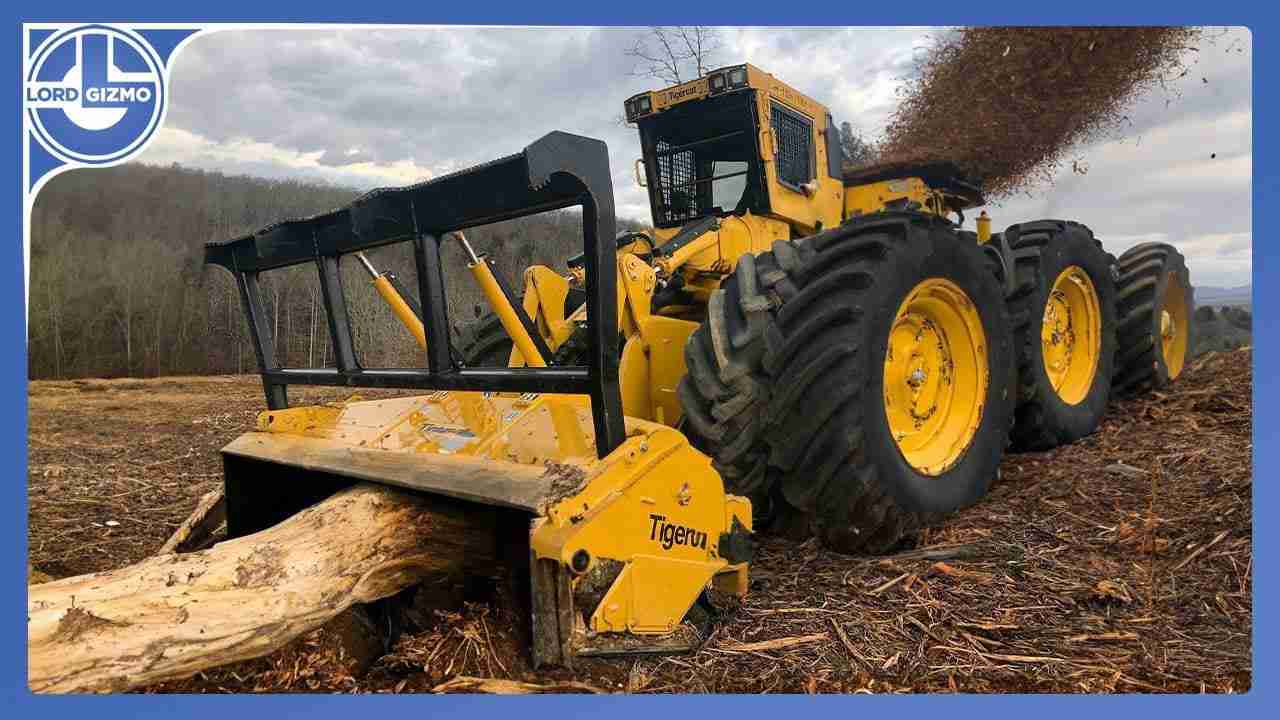
Innovative Machinery: Shaping Modern Rice Production
The landscape of rice production has undergone a remarkable transformation, largely propelled by cutting-edge machinery that enhances efficiency and quality. Traditional methods have gradually given way to automated systems designed to streamline the entire process, from planting to harvesting and processing. For instance, combine harvesters equipped with advanced sensors now ensure precise cutting, significantly reducing grain loss during rice harvesting. This technological leap not only increases the yield but also minimizes labor requirements, allowing farmers to redirect their efforts towards other essential tasks.
Furthermore, contemporary rice milling machines incorporate innovative features that improve the quality of processed rice while ensuring maximum output. High-tech milling systems utilize gentle polishing, preserving the nutritional value of the grains while providing a polished finish that meets market demands. In addition, the increasing incorporation of smart technology such as IoT devices has created ecosystems where machines communicate in real-time for optimal performance. Below is a comparison of key innovations in modern rice processing machines:
| Innovation | Description | Advantages |
|---|---|---|
| Automatic Grain Sorters | Machines that use sensors to detect and sort grains based on size and quality. |
|
| Compact Milling Units | Integrated systems for drying, milling, and packaging in one unit. |
|
| Digital Monitoring Systems | Software solutions that provide real-time performance analytics. |
|

Sustainability in Rice Processing: A Path Forward
The rice processing industry is undergoing a significant transformation, driven by the urgent need for sustainability. Innovations in technology are providing new methods to limit waste and enhance the efficiency of the entire processing workflow. By adopting advanced machinery that uses less energy and conserves water, producers can reduce their environmental footprint while increasing productivity. Key approaches in this endeavor include:
- Energy-efficient milling machines: These machines consume less power and require fewer operational resources.
- Water recycling systems: Implementing closed-loop systems helps reduce water waste significantly.
- Eco-friendly packaging: Transitioning to biodegradable or recyclable materials minimizes landfill contributions.
- Smart agriculture technologies: Precision farming tools optimize input usage, which directly influences rice quality and yield.
Moreover, advancements in rice processing technology are also creating opportunities for better sustainability practices through increased collaboration between rice farmers and processors. By utilizing data analytics and IoT devices, stakeholders can monitor and manage resources more effectively. A collaborative approach encourages sharing of best practices, leading to a collective impact on reducing carbon emissions across the supply chain. Potential collaborative strategies include:
| Strategy | Description |
|---|---|
| Data sharing platforms | Facilitate real-time information exchange on crop yields and resource management. |
| Joint training programs | Educate farmers on sustainable practices and modern technology usage. |
| Resource pooling | Collaborate in the acquisition of eco-friendly tools and technologies to reduce costs. |
Key Considerations for Future Developments in Rice Machinery
As the demand for rice continues to rise globally, several key factors must be prioritized in the development of rice machinery to enhance efficiency and sustainability. Innovation in technology should focus on integrating automation and smart systems, which can significantly reduce labor costs and increase precision during harvest and processing. Additionally, manufacturers should consider energy efficiency by developing machines that consume less power, facilitating more environmentally friendly operations. Emphasizing the use of eco-friendly materials in machinery construction will further promote sustainability, appealing to a market increasingly concerned with environmental impact.
Moreover, the importance of customization in rice machinery cannot be overstated. As different regions have unique challenges and rice varieties, offering adaptable machines that can be tailored to specific needs will provide a competitive edge. Alongside this, fostering collaborative efforts between farmers, engineers, and agricultural experts can lead to innovations that address practical challenges on the ground. the establishment of a systematic feedback loop where end-users can share their experiences and insights will be crucial in guiding future developments and improvements in rice processing technology.
Final Thoughts
the journey of rice processing machines is a remarkable testament to human ingenuity and adaptability. From the rudimentary tools of ancient agrarians to the sophisticated technologies of today, each iteration has sought not only to enhance efficiency but also to ensure quality and sustainability in our food supply. As we continue to embrace innovation, the future of rice processing promises even greater advancements, harnessing technology to meet the challenges of a rapidly changing world. By transforming harvests, we are not only improving the systems that deliver one of the globe’s staple foods but also paving the way for a more productive and resilient agricultural landscape. As we reflect on this evolution, it is clear that the journey is far from over—each improvement is a stepping stone towards a future where every grain of rice represents not just sustenance, but also the promise of progress.



