
In the verdant landscapes of rural communities, where fields of golden paddy sway gently in the breeze, a quiet revolution is taking root. Enter the era of mini rice mill plants—compact, efficient, and transformative. These small-scale milling operations are not merely a response to the increasing global demand for rice; they represent a shift in how agricultural resources can be harnessed to empower local economies. As farmers embrace this innovative technology, the barriers between production and consumption are being dismantled, fostering self-sufficiency and prosperity in regions long reliant on larger, centralized milling systems. In this article, we will explore the rise of mini rice mill plants, examining their impact on agricultural practices, economic development, and food security, and how they are unlocking the potential of rural agriculture one kernel at a time.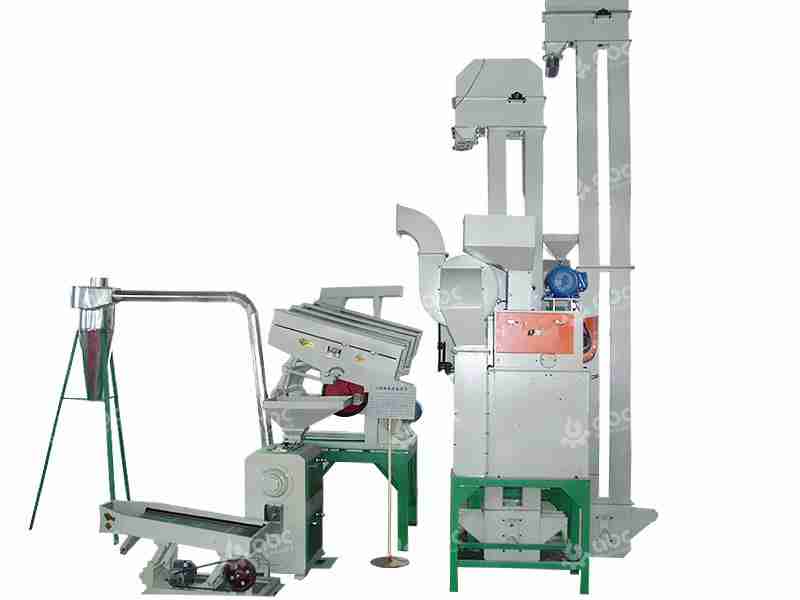
Exploring the Benefits of Mini Rice Mill Plants in Modern Agriculture
The advent of mini rice mill plants has transformed the agricultural landscape, enabling farmers to maximize their productivity and efficiency. These compact units are specifically designed for small-scale operations, providing a range of benefits that cater to modern agricultural needs. With easy installation and operation, mini rice mills empower farmers to process their produce on-site, significantly reducing transportation costs and time. This localized milling process ensures that farmers have more control over the quality of their rice, leading to better market competitiveness.
Moreover, mini rice mills contribute to sustainability and resource conservation in rural areas. They require less energy compared to traditional mills and produce less waste, making them an eco-friendly alternative. The ability to customize settings according to the specific variety of rice also enhances output quality. Key advantages of these plants include:
- Cost-effectiveness: Lower initial investment and maintenance costs.
- Quality control: Farmers can ensure their product meets market standards.
- Job creation: Helps provide employment opportunities in local communities.
- Increased income: Improved margins as farmers sell both milled rice and by-products.
| Feature | Benefit |
|---|---|
| Compact Size | Fits easily in small farms and rural setups |
| Energy Efficiency | Reduces operational costs |
| Real-Time Processing | Minimizes wait time for product availability |
| Customizable Settings | Enhances rice quality based on farmer specifications |

Sustainable Practices: How Mini Rice Mills Contribute to Local Economies
Mini rice mills are creating ripples of transformation in local economies, acting as agents of sustainable change. By promoting the utilization of local resources, these mills help reduce dependency on large, industrial operators often based far from rural communities. As a result, farmers can sell their paddy directly to nearby mills, ensuring that more revenue stays within the community. Benefits include:
- Job Creation: Mini rice mills generate employment opportunities, from skilled labor in milling to ancillary services in packaging and transportation.
- Reduced Waste: Small-scale operations minimize waste by optimizing processing methods, ensuring that by-products are effectively utilized or sold.
- Empowerment of Farmers: With greater access to milling facilities, farmers can better control the processing of their crops and retain a larger share of the profits.
In addition to these community benefits, the environmental impact of mini rice mills is commendable. They often employ energy-efficient technologies that align with sustainable practices, such as:
| Technology | Benefit |
|---|---|
| Solar-Powered Units | Reduce reliance on fossil fuels, lowering carbon footprints. |
| Water Recycling Systems | Conserve water resources by reusing water in milling processes. |
| Biodegradable Packaging | Minimize plastic waste and promote environmental sustainability. |
This blend of economic and environmental initiatives not only enriches local communities but also nurtures a more balanced approach to agricultural production. By investing in such practices, mini rice mills pave the way for a resilient agricultural landscape, supporting the well-being of both farmers and the planet.

Navigating the Technology Behind mini rice mill Operations
In recent years, the advent of mini rice mills has transformed traditional rice processing, making it more accessible to smallholder farmers. These compact and efficient machines are designed to maximize output while minimizing labor and resource input. By utilizing modern technology, these mills operate on a small scale without sacrificing quality. They are equipped with features such as automatic feeding systems, husk removal mechanisms, and integrated polishing units, which streamline the entire milling process. With low investment costs and relatively low maintenance requirements, mini rice mills have become a practical option for rural entrepreneurs looking to capitalize on local rice production.
Understanding the technology driving these mills is crucial for maximizing their potential. Some of the key components include:
- Engine Type: Usually diesel or electric, depending on local availability and cost.
- Capacity: Ranges from 100 kg to over 1000 kg per hour, thus catering to different scales of operation.
- Milling Mechanism: Typically uses a combination of rubber roll shellers and husk separators for efficient processing.
- Automation Features: Some models include digital displays for monitoring and controlling settings for optimal results.
Furthermore, understanding the average operational costs can help potential investors make informed decisions. Below is a simple breakdown:
| Cost Component | Estimated Cost (USD) |
|---|---|
| Initial Investment | $1,500 - $5,000 |
| Monthly Operating Costs | $200 – $400 |
| Maintenance Costs | $50 – $100 |
This table highlights the financial viability of operating a mini rice mill, showcasing its potential for profitability when managed effectively. By bringing advanced milling technology to rural locations, mini rice mills not only enhance productivity but also foster community development and food security.
Future Trends: The Role of Innovation in Mini Rice Mill Development
As the agricultural landscape continues to evolve, the demand for efficiency and sustainability in rice milling operations has ignited a wave of innovation in mini rice mill technology. Smart milling techniques are at the forefront, employing advanced sensors and automation systems to enhance processing capabilities. These cutting-edge features not only optimize milling performance but also significantly reduce waste and energy consumption. Mini rice mills equipped with IoT (Internet of Things) capabilities enable farmers to monitor production and track quality in real-time, leading to more reliable outputs and better market prices.
Furthermore, the integration of renewable energy sources in mini rice mill plants is becoming increasingly popular. By harnessing solar panels or biogas generators, these mills can achieve greater energy independence and lower operational costs. Farmers are also exploring opportunities to collaborate and form cooperatives that pool resources, making it easier to invest in innovative technologies. As the industry moves forward, stakeholders must remain adaptable, embracing not only technological improvements but also sustainable practices that cater to changing consumer preferences.
Key Takeaways
As we stand on the brink of a new agricultural era, mini rice mill plants are not merely a trend; they represent a fundamental shift in the way we approach food production and sustainability. By unlocking the potential of small-scale milling, we are witnessing a transformation that empowers local farmers, enhances food security, and fosters economic growth within communities. These compact powerhouses symbolize innovation and efficiency, allowing resources to be maximized while reducing waste and environmental impact.
The rise of mini rice mill plants invites us to reconsider our relationship with agriculture, urging us to embrace techniques that are both modern and mindful. As we look to the future, the lessons gleaned from this burgeoning sector will undoubtedly influence broader agricultural practices, inspiring a more resilient and equitable food system for generations to come. Embracing these advancements is not just about improving productivity; it is about cultivating a sustainable legacy that nurtures both the land and the people who depend on it.



