
In the heart of agricultural landscapes, where golden fields sway gently in the breeze, an unseen transformation unfolds—one that turns humble grains into a cornerstone of sustenance for millions. Welcome to the modern rice processing plant, a marvel of technology and efficiency where nature meets innovation. Here, the journey of rice from paddy to plate is meticulously orchestrated, marrying traditional practices with cutting-edge machinery. In this article, we will delve into the intricate processes that breathe life into this staple food, exploring the systems that ensure quality and safety while addressing the growing global demand for rice. Join us as we peel back the layers of this essential industry, revealing how each grain is not just a mere ingredient, but rather a testament to the artistry of modern food processing.
The Journey from Field to Fork: Understanding the Rice Processing Workflow
The journey of rice from field to fork is a fascinating process that marries traditional practices with cutting-edge technology. At the heart of a modern rice processing plant, various stages transform freshly harvested paddy into the white, fluffy grains we commonly consume. Harvesting marks the initial step, where farmers carefully gather the crop, followed by drying to reduce moisture levels and prepare the grains for efficient storage. Once dried, the paddy undergoes milling, where the husk is removed to reveal the brown rice. This stage not only ensures a cleaner product but also sets the stage for further refinement.
As the transformation continues, the brown rice is subjected to polishing, a process that enhances its appearance and shelf stability. During this critical phase, rice grains are often treated with a light coating of glucose or oil to add a glossy finish and improve taste. Following polishing, the rice is sorted using sophisticated machinery that utilizes color sorting and sieving mechanisms to eliminate any defects or impurities. The final steps involve packaging the rice in airtight containers to preserve its quality, ready to be distributed to tables globally. The streamlined workflow in a modern rice processing plant exemplifies how agricultural traditions are harmonized with technological advancements to meet the world’s growing demand for rice.
Innovative Technologies Shaping the Future of Rice Processing
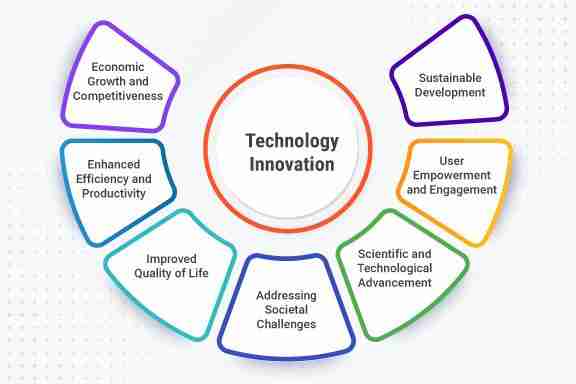
In the ever-evolving landscape of agriculture, rice processing technology is undergoing a significant transformation, integrating state-of-the-art systems that enhance efficiency and sustainability. Automated processing lines equipped with advanced sensors and artificial intelligence are revolutionizing traditional methods, allowing for real-time monitoring and quality control. This technological embrace optimizes various stages of rice processing, ensuring that the grains meet the highest standards of cleanliness and quality.
Furthermore, the introduction of data analytics tools in rice processing plants is helping producers make informed decisions that can markedly improve output. By analyzing data on moisture content, grain size, and yield rates, producers can fine-tune their processes for maximum efficiency. Key innovations include:
- Eco-friendly milling techniques that reduce energy consumption.
- Optical sorting technologies that enhance quality control by identifying defects and impurities.
- Automated packaging solutions that streamline the distribution chain.
These advancements are supported by investments in research and development, driving the industry towards a more sustainable future. Below is a summary of the key technologies shaping rice processing:
| Technology | Description | Benefits |
|---|---|---|
| AI Integration | Enhances operational efficiency through predictive analytics. | Increased yield and reduced waste. |
| IoT Devices | Monitors equipment conditions and grain quality. | Improved maintenance and optimized production schedules. |
| Biodegradable Packaging | Eco-friendly materials for a sustainable approach. | Reduces environmental impact and improves brand reputation. |

Sustainability in Grains: Eco-Friendly Practices in Modern Facilities
In the quest for sustainable production, modern rice processing plants have turned to eco-friendly practices that not only enhance operational efficiency but also minimize environmental impact. A key aspect of this transformation is the integration of renewable energy sources, such as solar and wind power, to offset energy consumption. By utilizing energy-efficient machinery, facilities can reduce their carbon footprint and promote a cleaner production cycle. Additionally, careful water management systems are being implemented to recycle and conserve this vital resource, ensuring a balance between productivity and sustainability.
Moreover, the adoption of waste-to-energy technologies allows these facilities to repurpose byproducts, transforming them into valuable resources rather than discarding them. Here are some notable practices being embraced:
- Organic waste utilization: Utilizing rice husks and straw for biogas production.
- Sustainable packaging: Switching to biodegradable materials that minimize plastic waste.
- Precision agriculture: Implementing smart farming techniques to optimize inputs and outputs.
These practices showcase a commitment to not only producing high-quality grains but also protecting the planet for future generations. Their collective impact can be measured through various metrics of sustainability, as displayed in the table below:
| Practice | Impact |
|---|---|
| Renewable Energy Usage | Reduces CO2 emissions by up to 30% |
| Water Recycling | Decreases water usage by 40% |
| Waste-to-Energy | Converts 60% of waste into renewable energy |
Quality Control Measures: Ensuring Excellence at Every Stage of Processing
In the heart of modern rice processing, stringent quality control measures are implemented at every stage to guarantee that the final product not only meets but exceeds industry standards. From the moment the rice is harvested, meticulous checks are instituted to monitor factors such as moisture levels, foreign material contamination, and the overall quality of the grains. This comprehensive approach includes:
- Visual Inspections: Trained personnel conduct routine inspections of incoming crops to identify any potential defects or impurities.
- Automated Sorting Technology: Advanced machines equipped with sensors efficiently separate high-quality grains from lower quality ones, minimizing human error.
- Moisture Testing: Regular assessments ensure that moisture content is maintained within optimal levels to prevent spoilage and enhance longevity.
Once the rice begins its journey through processing, each stage is carefully monitored to uphold quality. This encompasses everything from cleaning and milling to packaging. Statistical Process Control (SPC) techniques track production data in real-time, allowing for immediate adjustment if deviations occur. Essential quality metrics may include:
| Quality Metric | Standard Range | Current Status |
|---|---|---|
| Moisture Content | 12% – 14% | 13% |
| Broken Grain Ratio | Max 5% | 3% |
| Foreign Matter Presence | 0.2% Max | 0.1% |
By employing these robust quality control measures, modern rice processing plants can confidently deliver a product that not only maintains freshness but also embodies exceptional quality, ensuring that every grain meets the expectations of consumers and partners alike.
In Summary
As we conclude our journey through the world of modern rice processing, it becomes clear that this seemingly simple grain embodies a complex tapestry of innovation and tradition. From the moment the rice is harvested to its final journey into our kitchens, each step is a testament to human ingenuity and the relentless pursuit of efficiency and quality. Today’s processing plants are not just hubs of activity; they are the beating heart of a global food system, where technology meets sustainability to address the demands of an ever-growing population.
The transformation of grains like rice serves as a reminder of the intricate relationship between agriculture and industry. It highlights not only the advancements that have been made but also the stories of the farmers, workers, and engineers who contribute to this essential supply chain. As we move forward, it is essential to honor the rich heritage of rice cultivation while embracing the innovations that ensure its future.
In an age where food security and sustainability are paramount, understanding the processes that shape our food can empower consumers and producers alike. The modern rice processing plant is more than a facility; it is a beacon of what is possible when we combine respect for tradition with forward-thinking practices. Let us carry this knowledge forward, appreciating the journey of rice from field to table, and remain curious about the many ways our food continues to evolve in harmony with the world around us.



