
In the heart of agricultural landscapes, where lush green paddies sway gently in the breeze, a silent revolution is taking place—one that transforms humble grains into vital sustenance for millions. “Transforming Grain: The Journey of a Paddy Processing Factory” invites readers to embark on an enlightening exploration of the intricate processes and technologies that breathe life into rice, turning it from mere crop to culinary treasure. This article will delve into the behind-the-scenes workings of a paddy processing factory, uncovering the meticulous journey from the golden fields to the polished grains that grace our tables. As we navigate this transformation, we will not only highlight the innovation and commitment that characterize these factories but also reflect on their profound impact on food security, local economies, and cultural traditions. Join us as we unravel the story of grain, where every kernel carries the weight of history and the promise of nourishment for future generations.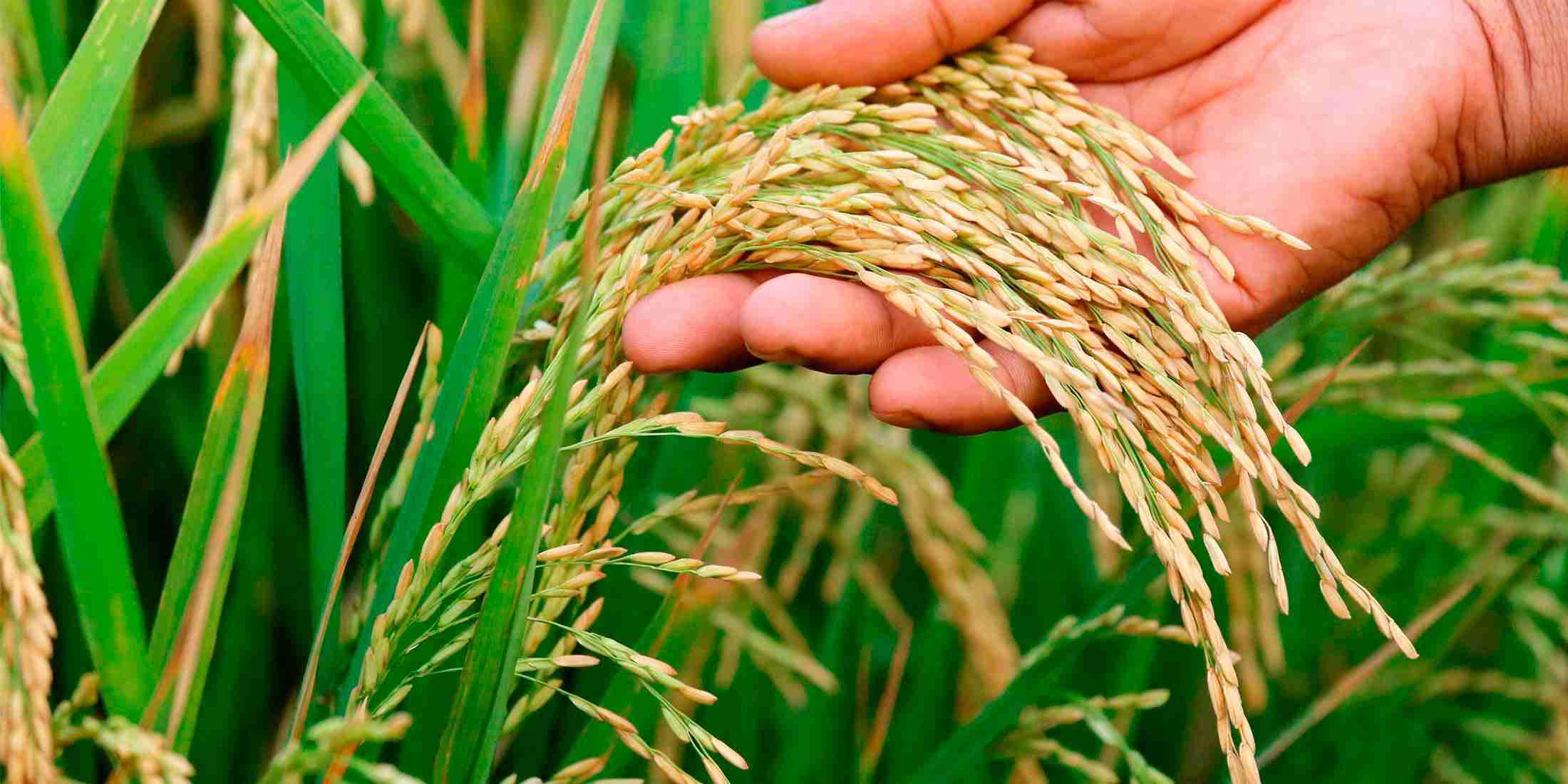
Exploring the Paddy Processing Journey from Field to Flour
The journey of transforming paddy into flour begins right in the lush green fields, where farmers meticulously cultivate the rice crop. Each grain captures the essence of nature, nurtured by sunlight, water, and soil. Once harvested, the rice journey shifts to the processing facility, where the real magic unfolds. At this stage, the paddy undergoes several stages of transformation, including drying, hulling, and milling, ensuring that every grain is prepared for consumption. Here’s an overview of the key steps involved:
- Harvesting: The ripe paddy is collected from the fields.
- Drying: Farmers dry the paddy to reduce moisture levels for safe storage.
- Hulling: The outer husk is removed, producing brown rice.
- Milling: The brown rice is polished to create white rice or flour.
The processing plant is a symphony of machinery, each piece playing its role in the intricate dance of production. As the paddy progresses through each machine, quality control checks are in place to ensure that only the finest grains make it through. Once milled, the flour is packaged and prepared for distribution, ready to find its way into kitchens and restaurants around the world. To give you an idea of how this process unfolds, consider the following table that highlights the main types of rice flour produced:
| Type of Rice Flour | Description | Uses |
|---|---|---|
| White Rice Flour | Finely milled from white rice. | Gluten-free baking, sauces. |
| Brown Rice Flour | Comes from whole grain brown rice. | Pancakes, breads, thickening agents. |
| Sticky Rice Flour | Milled from glutinous rice. | Dumplings, Asian desserts. |
Innovative Technologies Reshaping Grain Processing Efficiency
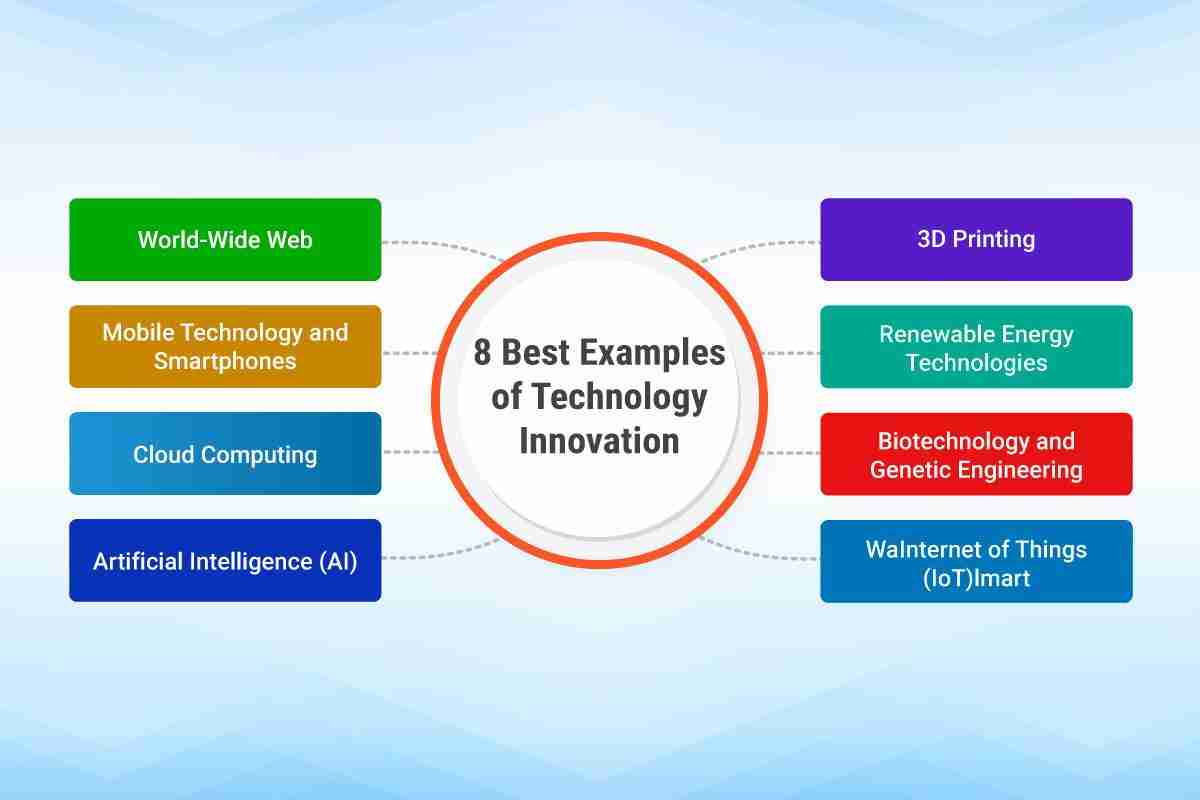
The evolution of grain processing has entered a new frontier, with cutting-edge technologies redefining the traditional practices that once dominated the industry. Automation and artificial intelligence are proving to be key drivers in enhancing productivity and reducing labor costs. Robotic systems are now capable of handling various tasks such as sorting and packaging, which reduces human error and increases speed. Additionally, data analytics plays an integral role in optimizing processes by predicting crop yields and monitoring equipment efficiency, ensuring that factories can operate at peak performance with minimal downtime.
Another transformative element in grain processing is the integration of Internet of Things (IoT) devices. These smart technologies allow for real-time monitoring of the entire processing line, enabling data-driven decision-making that can bolster productivity and resource management. Furthermore, advancements in biotechnology are enhancing product quality, making it possible to develop grain varieties that exhibit resistance to pests and environmental stressors. In the following table, we illustrate the key technologies and their benefits:
| Technology | Benefits |
|---|---|
| Automation |
|
| Data Analytics |
|
| IoT Integration |
|
| Biotechnology |
|
Sustainability Practices in Paddy Processing for a Greener Future
Embracing sustainability in paddy processing is not merely a trend, but a necessity for preserving our environment. Modern paddy processing factories are adopting methods that minimize waste and promote resource efficiency. By focusing on technologies that reduce water usage, such as advanced filtration systems, and investing in renewable energy sources like solar panels, these facilities significantly lower their carbon footprint. Additionally, the implementation of zero waste philosophies ensures that by-products from milling, such as rice husks and bran, are repurposed, either as biofuel or animal feed, thus promoting a circular economy. These practices not only help conserve natural resources but also enhance the overall efficiency of the processing operations.
Furthermore, certification schemes such as Organic or Fair Trade are increasingly being integrated into the paddy supply chain. Factories are working closely with local farmers to promote sustainable agricultural practices, which involve crop rotation, reduced pesticide usage, and soil health management. This collaborative approach not only bolsters the economic stability of rural communities but also increases the quality of the harvested grains. To visualize these developments, consider the following table that outlines the benefits of sustainable paddy processing:
| Benefit | Description |
|---|---|
| Resource Conservation | Reduction in water and energy usage through efficient technologies. |
| Waste Minimization | Utilization of by-products contributes to zero waste initiatives. |
| Quality Improvement | Collaboration with farmers enhances agricultural practices and grain quality. |
| Community Support | Local economies thrive with sustainable farming partnerships. |
Empowering Local Communities Through Paddy Factory Initiatives
The establishment of paddy processing factories plays a pivotal role in uplifting local communities. By providing essential services such as milling, drying, and storage, these factories not only enhance grain quality but also create a sustainable economic framework for farmers. The initiatives in these factories are designed to empower local farmers through:
- Access to Technology: Implementing advanced processing techniques that improve yield and reduce waste.
- Training Programs: Offering workshops on best agricultural practices and post-harvest handling.
- Fair Pricing: Setting up direct buying mechanisms to ensure that farmers receive an equitable price for their paddy.
Furthermore, these factories lead to wider community benefits by generating employment and encouraging local entrepreneurship. As farmers engage with processing facilities, they create a ripple effect that stimulates economic growth. Here are some additional impacts of these initiatives:
| Benefit | Description |
|---|---|
| Job Creation | Local residents gain employment in various roles, boosting household incomes. |
| Community Development | Investments in infrastructure improve living standards. |
| Increased Food Security | Processing reduces spoilage, ensuring a steady supply of quality grain. |
In Conclusion
As we draw the curtain on our exploration of a paddy processing factory, it becomes clear that the journey of grain is as much about transformation as it is about sustenance. From the moment the golden fields surrender their harvest, to the intricate machinery that meticulously processes every grain, each step is a testament to innovation and tradition interwoven.
In this hum of activity, we find a narrative that extends beyond mere production; it’s about community resilience, economic growth, and the unyielding quest for quality. The factory stands as a hub of possibility, where farmers’ dreams are realized and nourished by expert hands and modern technology.
As the processed grains make their way to countless tables, they carry with them stories of hard work, perseverance, and the promise of a nourishing future. The next time you savor a bowl of rice, remember the journey it undertook—from paddy to plate—underscoring the vital role that processing plays in our food system.
Thus, while our look at the paddy processing factory concludes, the dialogue surrounding food production continues to evolve. One thing remains certain: the journey of grain is an ongoing saga, rich with potential and ripe for exploration.



