
Transforming Grains: The Comprehensive Guide to Rice Mill Plants
In the vast tapestry of global agriculture, few staples hold as significant a place as rice. This humble grain, which sustains half of the world’s population, is at the heart of culinary traditions, nutritional practices, and economic stability for countless communities. Yet, behind every bowl of rice lies a complex world of processes and machinery, intricately designed to transform paddy into polished grains ready for consumption. Enter the rice mill plant—a cornerstone of rice production that harmonizes technology, craftsmanship, and efficiency. This article delves deep into the intricacies of rice mill plants, exploring their vital role in the food supply chain, the technology that drives them, and the best practices that elevate their operations. From the initial stages of processing to the final packaging of rice, join us on a journey through the essential components of rice milling and discover how these facilities are not just places of production, but hubs of innovation and sustainability in the grain transformation industry.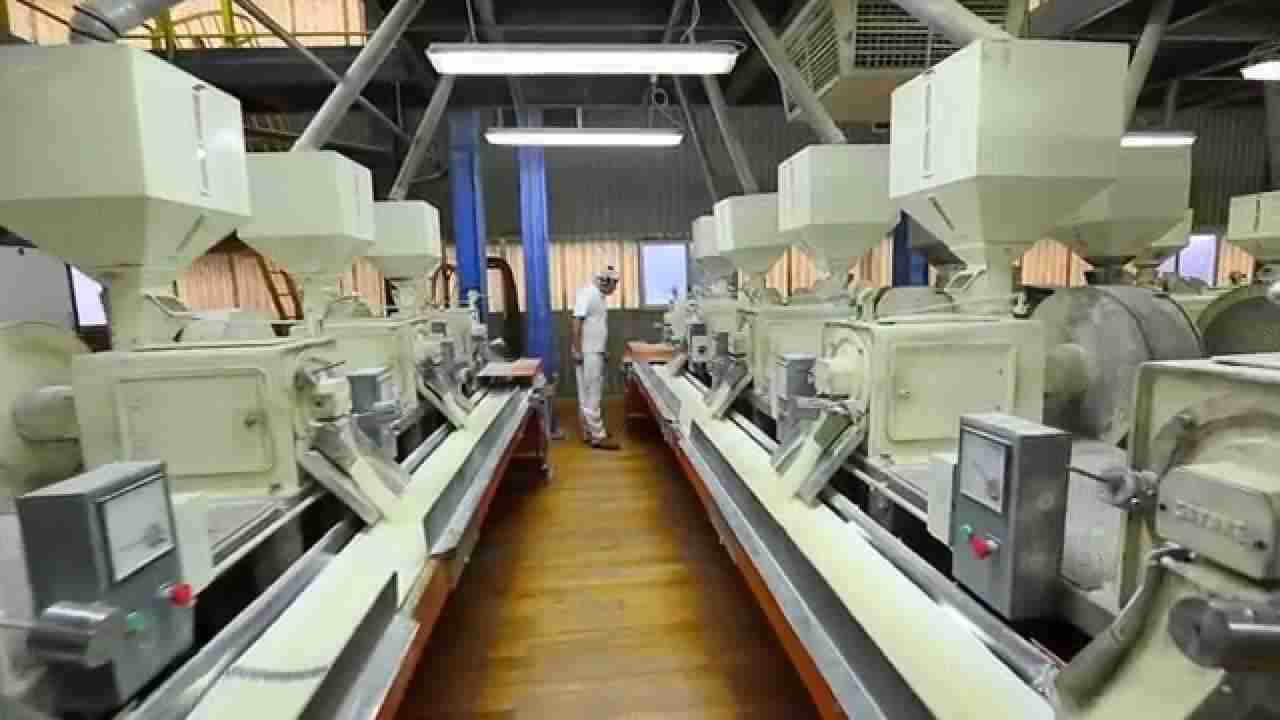
Understanding the Rice Milling Process and Its Importance
The rice milling process is a vital operation in the agricultural supply chain that transforms raw paddy into consumable rice. At its core, this multifaceted process involves several stages including cleaning, hulling, milling, and polishing, each playing a crucial role in ensuring the quality and safety of the final product. Understanding these stages is essential not only for mill operators but also for consumers who wish to know more about the food they consume. The efficiency of the milling process directly influences grain yield and overall value, impacting both the economy and food security in rice-producing regions.
In addition to enhancing rice quality, the milling process also helps minimize waste through effective by-product management. The by-products of rice milling, such as rice bran and husk, can be repurposed into various products, thus adding economic value to the milling operation. Some of the key advantages include:
- Improved Nutritional Value: Milling removes broken grains and impurities, enhancing the nutritional profile of the rice.
- Increased Shelf Life: Properly milled and packaged rice has a significantly longer shelf life.
- Resource Efficiency: The process aids in the efficient use of resources, reducing environmental impact.
Furthermore, it’s important to note how advancements in technology have revolutionized rice milling, leading to greater efficiency and sustainability. Modern milling facilities utilize automated machinery that improves accuracy and consistency while reducing labor costs. This evolution is reflected in the following table, showcasing the comparison between traditional and modern milling technologies:
| Feature | Traditional Milling | Modern Milling |
|---|---|---|
| Labor Intensity | High | Low |
| Energy Efficiency | Moderate | High |
| Output Quality | Variable | Consistent |
These advancements signify the importance of adapting to new techniques to meet the growing global demand for high-quality rice while ensuring environmental sustainability.
Key Equipment and Technology in Modern Rice Mills
Modern rice mills are equipped with an array of sophisticated machinery designed to enhance efficiency, improve quality, and minimize wastage. Key components in these mills typically include:
- Dehusking Machines: These machines remove the husk from the rice grains, ensuring a minimal loss of the edible part.
- Separators: Used to classify rice based on size and quality, these machines help in sorting out broken grains and impurities.
- Whitening and Polishing Machines: Essential for achieving the desired visual appeal, these machines polish the rice and create a radiant finish.
- Automatic Packaging Systems: Increasingly integrated into mills, these systems streamline the packaging process, reducing labor costs and enhancing hygiene.
In addition to core machinery, advanced technologies have emerged to push the milling process towards greater sustainability and automation. This includes:
- Online Monitoring Systems: These systems allow for real-time tracking of the milling process, ensuring optimal performance and minimal downtime.
- Energy-efficient Appliances: Many modern mills utilize appliances designed to consume less power, thereby reducing operational costs.
- Data Analytics Tools: Equipped with data analytics, mills can optimize their production techniques by assessing processing efficiency and grain quality.
Additionally, the integration of renewable energy sources, such as solar panels, is becoming increasingly common in innovative rice mill designs, allowing for a more sustainable production process while lowering carbon footprints.
Best Practices for Efficiency and Sustainability in Rice Processing
Implementing state-of-the-art equipment and technologies is crucial for enhancing efficiency in rice processing. Automation plays a significant role, enabling consistent quality while reducing labor costs. Mills should consider investing in technologies such as optical sorting systems and automated milling machinery, which can increase throughput and minimize product loss. Alongside this, adopting energy-efficient practices—such as utilizing high-efficiency motors and LED lighting—can significantly decrease operational costs while promoting eco-friendliness. Regular maintenance of machinery should not be overlooked, as well-maintained equipment operates more efficiently and has a longer lifespan.
In addition to technological advancements, embracing sustainable practices can greatly benefit rice processing operations. Mills can reduce their environmental footprint by implementing waste management strategies, such as converting husks into bioenergy or using water-efficient systems that recycle water used in the milling process. Educational programs for staff about sustainability practices can foster a culture of continuous improvement. To illustrate the impact of sustainability, consider the following table showcasing potential benefits associated with adopting eco-friendly measures:
| Practice | Benefit |
|---|---|
| Water Recycling | Reduces water consumption by up to 30% |
| Biomass Utilization | Generates renewable energy and reduces waste |
| LED Lighting | Lowers electricity use and enhances visibility |
Navigating Regulatory Standards and Safety Measures in Rice Mill Operations
Ensuring compliance with regulatory standards is crucial for the successful operation of rice mills. Mill operators must stay well-informed of the various local, national, and international regulations that govern food safety, environmental protection, and worker safety. A robust framework is essential for navigating these standards, and can include:
- Quality Assurance Protocols: Implementing thorough quality testing for rice batches can safeguard against contamination.
- Environmental Compliance: Ensuring efficient waste management systems to minimize ecological impact.
- Worker Safety Programs: Establishing regular safety training and procedures to prevent workplace accidents.
Moreover, adopting best practices in safety measures can enhance operational efficiency while safeguarding the workforce. Conducting regular audits and monitoring can help identify potential hazards, thus allowing for corrective actions. Essential safety measures might involve:
| Safety Measure | Description |
|---|---|
| Personal Protective Equipment (PPE) | Use of gloves, masks, and protective eyewear to ensure employee safety. |
| Emergency Response Plans | Developing a clear plan for evacuations and emergencies to ensure quick action. |
| Regular Maintenance Checks | Scheduled inspections of machinery to prevent malfunctions and accidents. |
By integrating these practices, rice mill operations can not only comply with regulatory demands but also foster a culture of safety that emphasizes the well-being of all stakeholders involved. Emphasizing education and training further strengthens the workforce’s ability to respond effectively to challenges, ultimately leading to a more resilient and productive rice milling process.
Closing Remarks
As we conclude our exploration of rice mill plants, it’s clear that the journey of grains from field to fork is a remarkable one, steeped in tradition and ripe with innovation. Transforming grains is not merely a process; it’s an art that intertwines agricultural prowess with cutting-edge technology, driven by the need for efficiency, sustainability, and quality.
The insights provided in this guide serve as a beacon for those venturing into the world of rice milling, whether you are a seasoned entrepreneur or a novice seeking to understand the intricacies of grain processing. Each component, from the selection of machinery to the nuances of workflow optimization, plays a significant role in the final product that graces our tables.
As we move forward, the future of rice milling holds promise. With advancements in technology and an increasing emphasis on sustainable practices, the industry is well-positioned to meet the evolving demands of consumers while contributing to food security worldwide. Embrace this knowledge to not only transform grains but to also contribute to the global narrative of sustainable agriculture.
Thank you for joining us on this enlightening journey—may it inspire you to delve deeper into the world of rice mill plants and the transformative power they hold in our modern food system.



