
In the heart of kitchens around the world, rice stands as a staple, a symbol of sustenance and culinary heritage. Among the myriad varieties, parboiled rice offers a unique twist on this age-old grain, transforming simple nourishment into a hearty and nutritious fare. But how does this transformation take place? “Unlocking Nourishment: The Parboiled Rice Processing Journey” invites you to explore the intricate process behind this beloved ingredient. From the fields where golden grains are harvested to the innovative techniques that preserve their nutrients, we will delve into the stages of parboiling—revealing not only the science but also the artistry embedded in this time-honored practice. Join us as we uncover the journey that turns raw rice into a nourishing delight, bridging cultures and kitchens with every grain.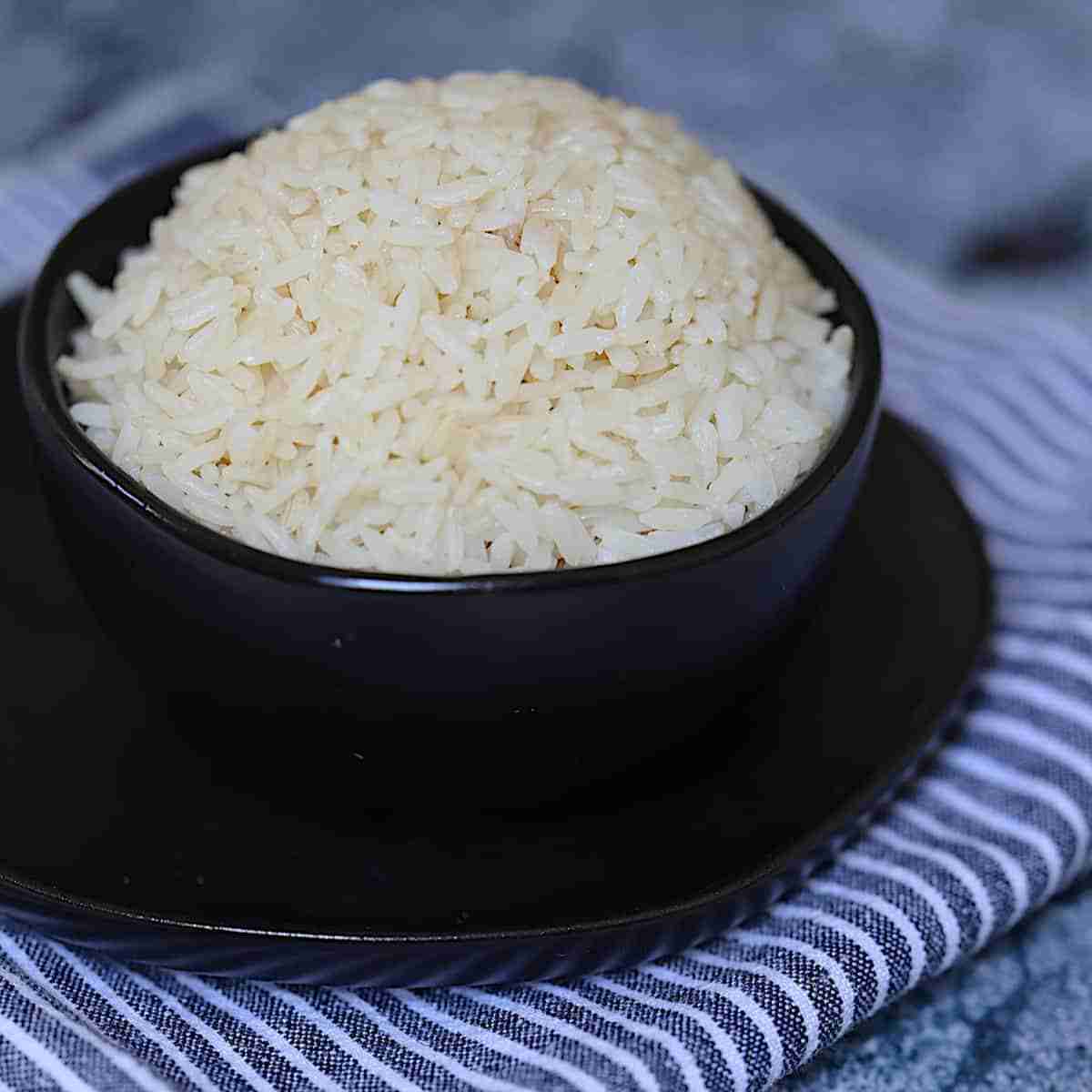
Exploring the Origins of Parboiled Rice and Its Nutritional Benefits
The journey of parboiled rice begins in the lush rice paddies where paddy rice is harvested, carefully milled, and then subjected to a transformative process. This ancient technique is believed to originate from several regions, including West Africa and Asia, where communities found that soaking, steaming, and drying rice before milling made it not only easier to prepare but also enhanced its nutritional profile. In this method, the rice grains absorb some of the nutrients from the husk during the steaming process, which means that parboiled rice retains a greater amount of vitamins and minerals compared to white rice. As the rice undergoes this transformation, it develops a distinctive yellow hue and a firmer, less sticky texture when cooked, setting it apart from its unprocessed counterparts.
The nutritional benefits of parboiled rice make it a compelling choice for health-conscious consumers. This type of rice is rich in key nutrients, including B vitamins, iron, and fiber, contributing to better digestion and sustained energy levels. Notably, its lower glycemic index compared to white rice supports stable blood sugar levels, making it a favorable option for individuals managing diabetes. Here’s a quick overview of its nutritional benefits:
| Nutrient | Benefit |
|---|---|
| Fiber | Promotes digestive health and satiety |
| B Vitamins | Supports energy metabolism |
| Iron | Helps in oxygen transport and energy levels |
These attributes highlight not only the functional aspects of parboiled rice but also its role in a balanced diet, making it an appealing inclusion for families seeking nourishment without compromising taste or convenience.
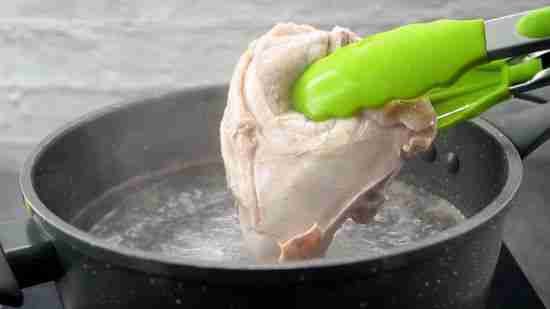
The Step-by-Step Process of Parboiling Rice: Techniques and Best Practices
Parboiling rice is a transformative process that enhances the grain’s nutritional value while preparing it for optimal cooking and consumption. To effectively parboil rice, start by selecting the right variety, as the process works best with long-grain rice such as Basmati or Jasmine. Rinse the rice under cool water to remove excess starch, preventing clumping after cooking. Next, soak the rice in water for about 30 minutes; this crucial step allows the grains to absorb moisture, making them more receptive to the subsequent steaming process. Following the soaking, drain the rice and prepare it for steaming by placing it in a steamer basket or utilizing a steaming pot, ensuring that the grains are evenly spread out for uniform cooking.
The steaming stage is where the magic happens: steam the soaked rice for approximately 25-30 minutes. This gentle cooking method helps the grains firm up without becoming mushy. Once the steaming is complete, the rice should be spread out on a shallow tray to cool down. This cooling process prevents the grains from sticking together and enhances their texture. Once cooled, the parboiled rice can be stored or cooked directly. For best results, incorporate some best practices:
- Always measure the water-to-rice ratio precisely to avoid undercooking or overcooking.
- Consider flavoring the soaking water with spices or salt to enhance palatability.
- Store any unused parboiled rice in an airtight container to maintain its freshness.

Maximizing Flavor and Texture: Cooking Tips for Parboiled Rice
To enhance the flavor and texture of parboiled rice, start by rinsing it under cold water until the water runs clear. This crucial step not only removes excess starch but also helps in achieving a fluffier end product. After rinsing, consider toasting the rice in a dry pan for a few minutes. This technique caramelizes the surface, enriching the rice with a nutty aroma that elevates its overall taste. Following this, soak the rice in warm water for 30 minutes before cooking; this allows the grains to absorb moisture evenly, resulting in a tender and fluffy consistency.
When it comes to cooking, the right water-to-rice ratio is vital for optimal outcomes. For parboiled rice, a common recommendation is 2 cups of water for every 1 cup of rice. However, this may vary based on personal preference or specific recipe demands. To impart additional flavor, consider using broth instead of plain water, and infuse it with spices such as cumin, bay leaves, or garlic cloves. After the rice has finished cooking, let it rest covered for an extra 10 minutes before fluffing it with a fork. This final step allows the grains to settle and absorb any remaining steam, ensuring a harmonious blend of flavor and texture.
| Cooking Method | Flavor Enhancer |
|---|---|
| Toasting | Nutty Aroma |
| Broth instead of Water | Rich Taste |
| Spice Infusion | Elevated Complexity |
Sustainability in Rice Processing: Innovations for a Greener Future
As the global demand for rice continues to rise, so does the need for sustainable processing techniques that mitigate environmental impact while maintaining quality. Innovations in parboiled rice processing are stepping up to the challenge, incorporating eco-friendly methods that not only enhance nutritional value but also reduce waste and energy consumption. Among these advancements are practices that emphasize the use of renewable energy sources, such as solar energy and biomass, to power processing facilities, thus minimizing reliance on fossil fuels. Additionally, cutting-edge technologies are being developed to improve water usage efficiency, decreasing the overall water footprint of rice production.
Furthermore, the integration of smart farming techniques and digital platforms is revolutionizing rice processing. Farmers are now able to monitor crop conditions in real-time, optimizing harvest cycles and reducing losses. These technological shifts support sustainable supply chains by ensuring that rice is processed and distributed with minimal environmental impact. The adoption of sustainable packaging solutions also plays a crucial role in reducing plastic waste. To summarize the innovative approaches in parboiled rice processing, here are some key points:
- Renewable Energy Adoption: Solar and biomass solutions to power operations.
- Water Efficiency: Techniques aimed at decreasing water usage.
- Smart Farming: Real-time monitoring to optimize harvests.
- Sustainable Packaging: Using biodegradable materials to reduce waste.
Wrapping Up
the journey of parboiled rice processing is a fascinating interplay of tradition and innovation, bridging ancient practices with modern technology to cultivate a staple that nourishes millions. From the initial soaking and steaming to the meticulous drying and milling, each step of the process enhances the grain’s nutritional profile, textures, and flavors. As we continue to explore sustainable methods and advancements in food processing, parboiled rice stands as a testament to our ability to unlock the hidden potential of this essential crop. With every grain, we not only celebrate a rich agricultural legacy but also embrace a future where nourishment is both accessible and enriched. As we savor our next meal of fluffy parboiled rice, let us appreciate the intricate journey it has traveled from field to table, nourished by time, knowledge, and care.



