
Inside the Heart of Harvest: Exploring Paddy Processing Factories
In the verdant fields where emerald stalks sway gently in the breeze, rice—staple food for more than half the world’s population—embarks on a journey from paddy to plate. This voyage is not merely a passage of grains but an intricate process hidden within the bustling walls of paddy processing factories. Here, in these hubs of activity, the serene beauty of the harvest transforms into the rhythmic clang of machinery, the whir of conveyors, and the diligent hands of workers laboring to bring forth the nourishment that sustains millions. As we venture into the heart of harvest, we will uncover the artistry and industry at play in paddy processing. Join us as we delve into the methods, challenges, and innovations that define this essential component of global agriculture, revealing how these factories serve as vital conduits between the land and the dining table.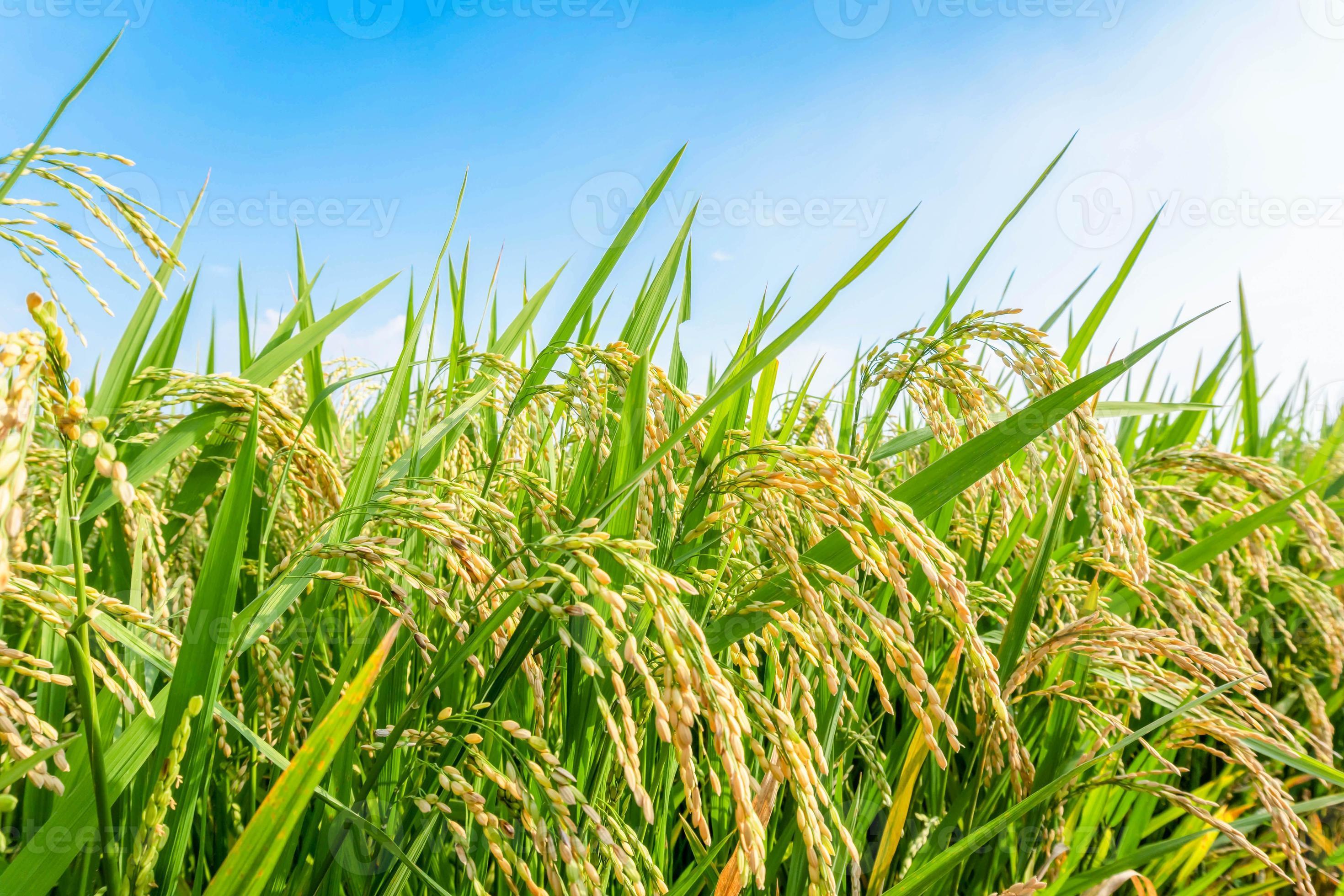
Understanding the Paddy Processing Journey from Field to Factory
The journey of paddy from lush green fields to the bustling factory floor is a meticulous process that embodies both tradition and innovation. First, the golden ears of paddy are carefully harvested, often by hand, with respect for the land and its rhythms. After collection, the paddy undergoes initial cleaning and drying to reduce moisture content, crucial for preventing spoilage during storage. This stage sets the foundation for quality, as any imperfections can be magnified during the subsequent steps. The journey continues with milling, where hulled paddy is transformed into white rice through a series of modern machines, each designed to preserve the grain’s essential nutrients while enhancing its visual appeal.
In the factory, the paddy processing system integrates technology with time-honored techniques. Factors such as quality control, packaging, and supply chain management play vital roles in ensuring that rice reaches consumers in its best form. An efficient layout facilitates smooth transitions between stages, and workers are trained to recognize the subtle signs of quality and freshness. Below is a brief overview of the key stages involved in processing paddy:
| Stage | Description | Purpose |
|---|---|---|
| Harvesting | Collection of mature paddy plants | Initial crop gathering |
| Cleaning | Removing impurities and debris | Ensuring quality before drying |
| Drying | Reducing moisture content | Preventing spoilage |
| Milling | Hulling and polishing | Transforming paddy into rice |
| Packaging | Sealing for distribution | Maintaining freshness |
Innovative Technologies Transforming Efficiency in Processing Plants
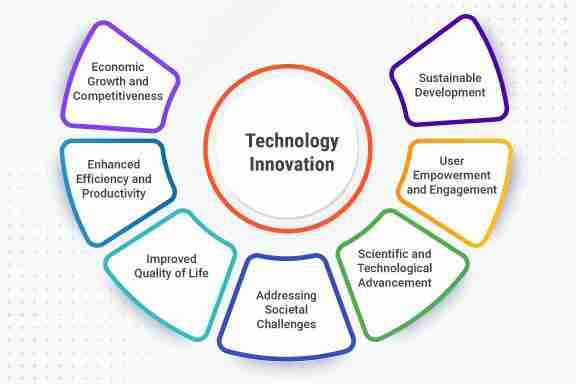
Modern advancements in technology are not merely enhancing the aesthetic of paddy processing factories; they are redefining how efficiency is perceived and achieved. Automation has emerged as a key player, with the introduction of robotic systems that seamlessly handle tasks such as sorting, cleaning, and packing. This not only minimizes human error but also significantly speeds up production cycles, allowing plants to meet rising market demands. Furthermore, data analytics tools are now integral, providing real-time insights into operations. This enables plant managers to optimize processes based on precise metrics, ensuring that every grain receives the treatment it deserves.
Beyond automation and analytics, sustainable technologies are revolutionizing energy consumption in processing plants. Innovations such as solar-powered machinery and biogas utilization are reducing reliance on fossil fuels while enhancing overall efficiency. By integrating these environmentally friendly solutions, processing plants are not just boosting their productivity; they are also contributing to a healthier planet. The synergy of these technologies is evident in their impact on output quality, waste reduction, and operational costs. The future of paddy processing is not only about higher yields but also about smarter, greener practices that redefine industry standards.
| Technology Type | Benefits |
|---|---|
| Automation | Increases speed, reduces errors |
| Data Analytics | Real-time decision making |
| Sustainable Energy | Lowers carbon footprint |
Quality Control Measures Essential for Superior Rice Production
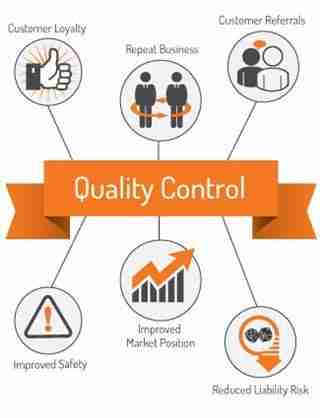
In the heart of paddy processing factories, the pursuit of excellence in rice production hinges on a spectrum of meticulous quality control measures. These initiatives are fundamental to ensuring that every grain not only meets the required standards but also satisfies consumer demands. Factories usually employ a range of techniques to monitor and enhance quality, which can include:
- Sampling Procedures: Testing batches of rice to ensure consistency and quality.
- Quality Grading: Evaluating rice based on size, color, and overall appearance.
- Moisture Control: Ensuring optimal moisture levels to prevent spoilage and maintain texture.
- Pest and Contaminant Checks: Rigorous inspections to eliminate any harmful insects or foreign materials.
- Traceability Systems: Keeping detailed records from paddy fields to finished products for accountability.
Collaborative efforts between skilled workers and advanced technology further enhance reliability in quality assessment. Automated machinery, like color sorters and grain analyzers, complement traditional methods, ensuring precision in grading. Additionally, a commitment to continuous training for the workforce fosters a culture of awareness surrounding quality standards. The integration of rigorous testing protocols can be reflected in data as illustrated below:
| Quality Metric | Threshold | Average Performance |
|---|---|---|
| Grain Size Uniformity | 95% within standards | 96% achieved |
| Moisture Content | 12% or lower | 11.5% average |
| Foreign Matter Presence | Less than 0.5% | 0.3% detected |
Sustainable Practices and Their Impact on the Paddy Industry
In the pursuit of environmental sustainability, paddy processing factories are increasingly embracing eco-friendly practices that not only protect natural resources but also enhance productivity. These initiatives include measures such as water recycling systems that minimize usage, the installation of solar panels to reduce dependence on fossil fuels, and the adoption of organic farming techniques that lessen reliance on synthetic fertilizers and pesticides. By incorporating renewable energy sources and utilizing biodegradable materials, these facilities are setting a precedent for industries worldwide, showcasing how environmentally responsible operations can lead to economic savings and improved community health.
The impact of sustainable practices extends beyond the factory walls, positively influencing regional ecosystems and local economies. Implementing practices such as crop rotation and integrated pest management not only fosters soil health but also increases biodiversity, providing habitat for various species. Moreover, by engaging with local farmers to promote sustainable farming techniques, factories can enhance the quality of paddy produced while supporting the livelihoods of the farming community. The synergy between sustainable industrial practices and traditional agriculture results in a robust rice supply chain characterized by quality, efficiency, and responsibility.
| Practice | Impact on Paddy Industry |
|---|---|
| Water Recycling | Reduces water consumption, promotes conservation. |
| Organic Farming | Improves soil quality, reduces chemical dependency. |
| Renewable Energy | Decreases carbon footprint, enhances energy independence. |
| Community Engagement | Strengthens local economies, fosters knowledge sharing. |
In Summary
As we draw the curtains on our exploration of paddy processing factories, we are left with a profound appreciation for the intricate journey that transforms golden grains into the staple that nourishes millions. Beneath the hum of machinery and the diligent hands of workers, we uncover not just the mechanics of rice production, but the heart of agricultural innovation and community resilience. Each factory operates not merely as a processing unit but as a vital node in the larger web of food security and cultural heritage.
In this age of rapid industrialization, it is essential to acknowledge the delicate balance between efficiency and sustainability. As we reflect on the stories woven into every grain, let us carry forward the understanding that behind the modern facade of paddy processing lies a tapestry of tradition, labor, and care. The next time you savor a delicate bowl of rice, remember the journey it has undertaken—from fields to factories—echoing the relentless pursuit of quality and the echoes of those who dedicate their lives to this harvest. The heart of the harvest beats on, reminding us of our connection to the land and the people who tend to it.



